


 English
 عربى



Industry News
Plastic Mold Factory: Where the Part Design Becomes a Production Tool
2026-10-16
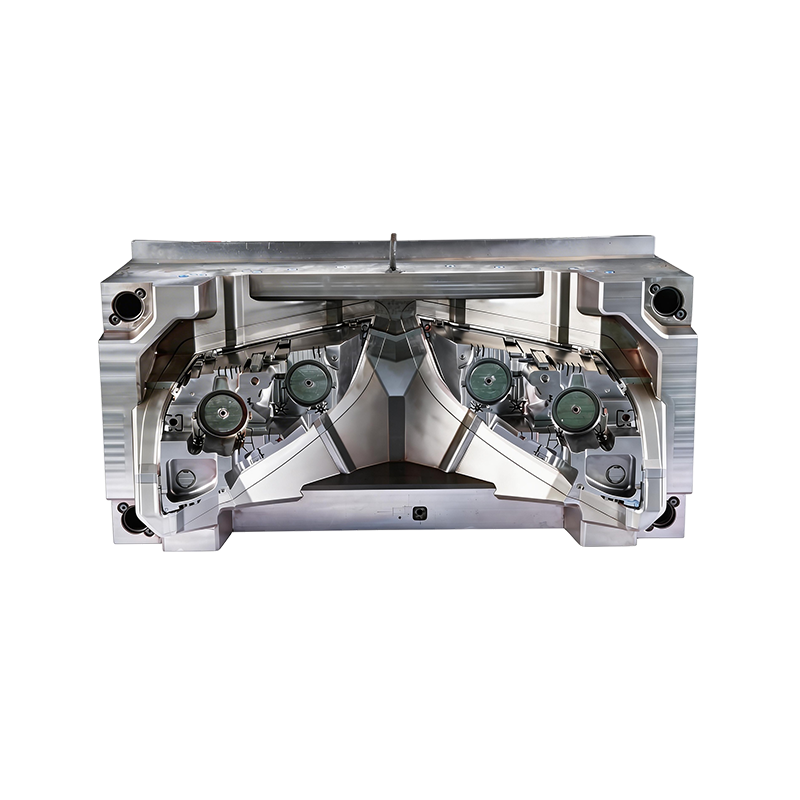
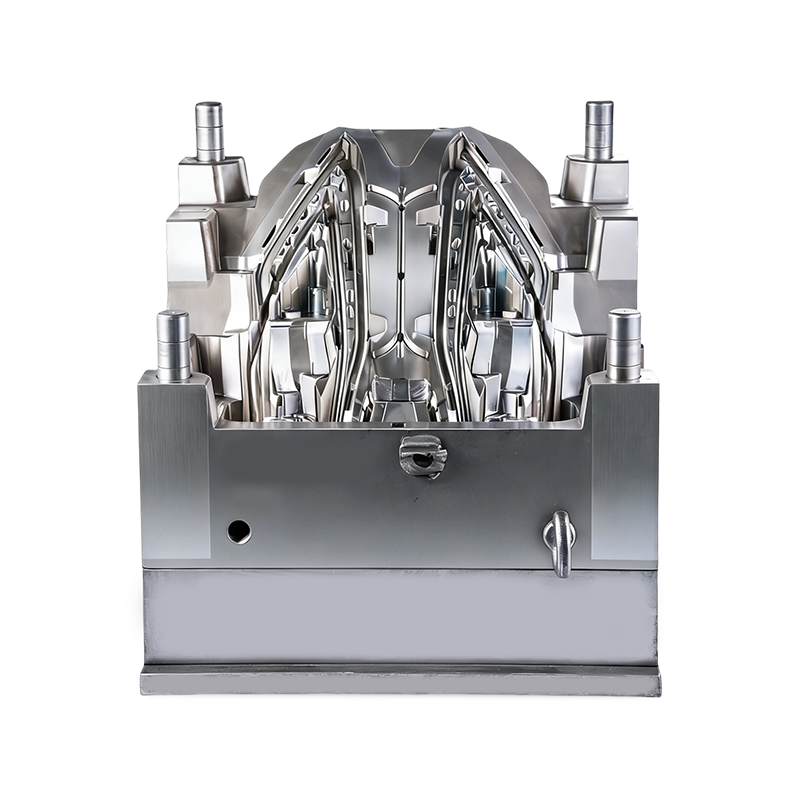
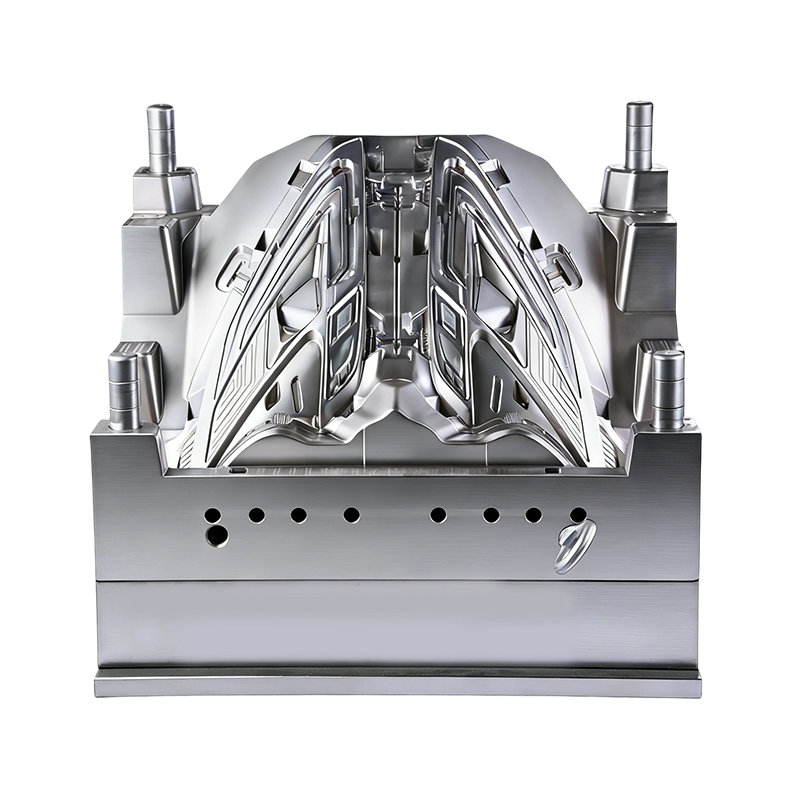
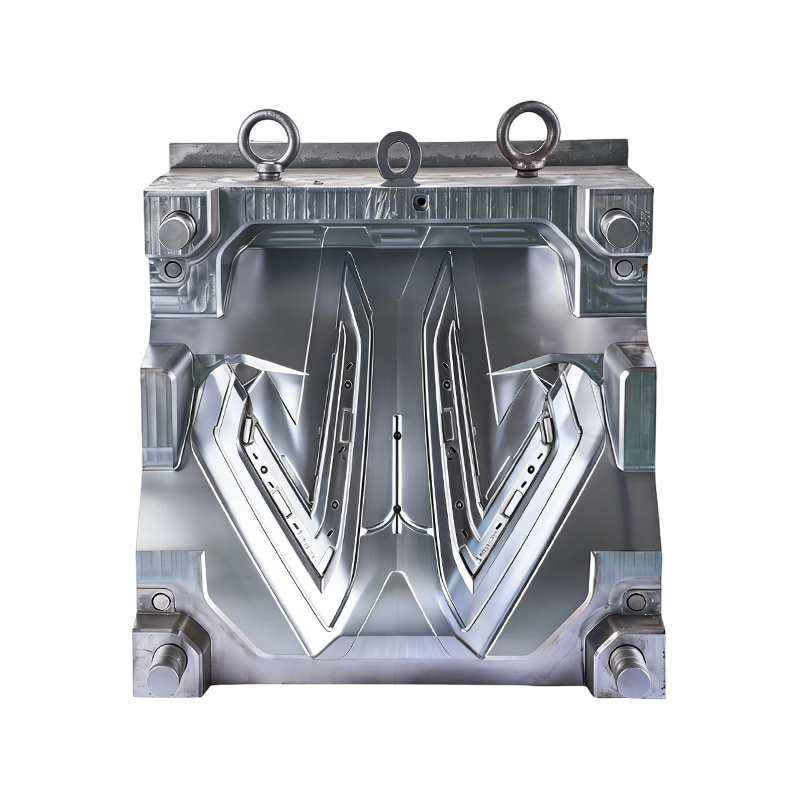
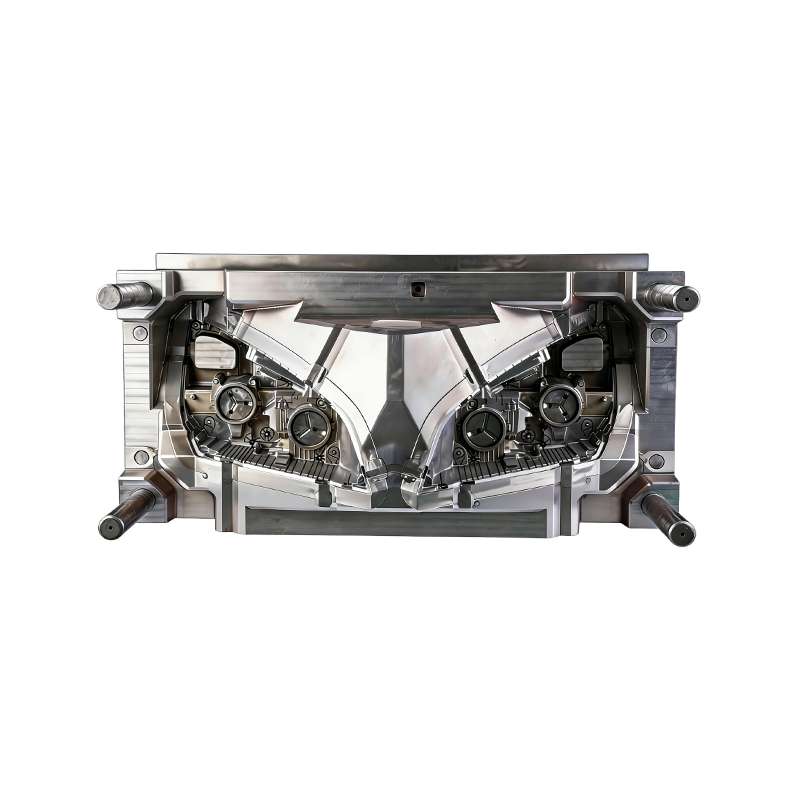
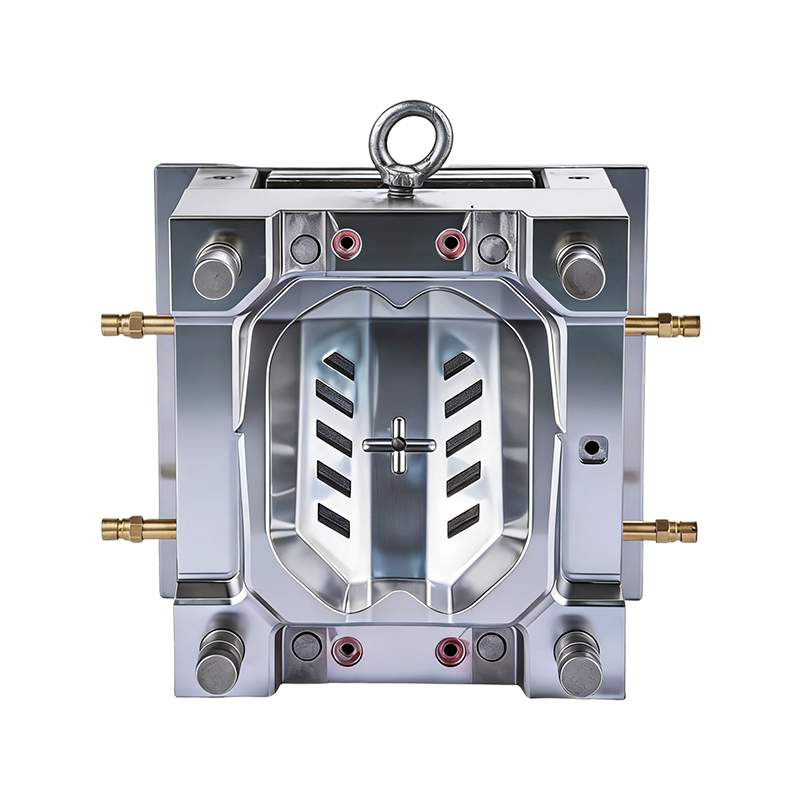
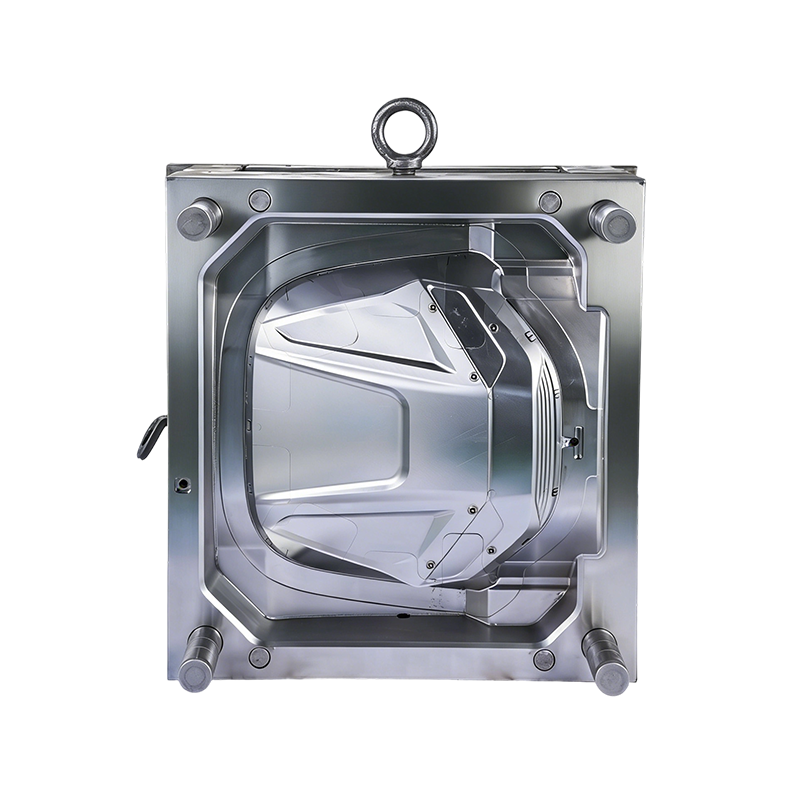
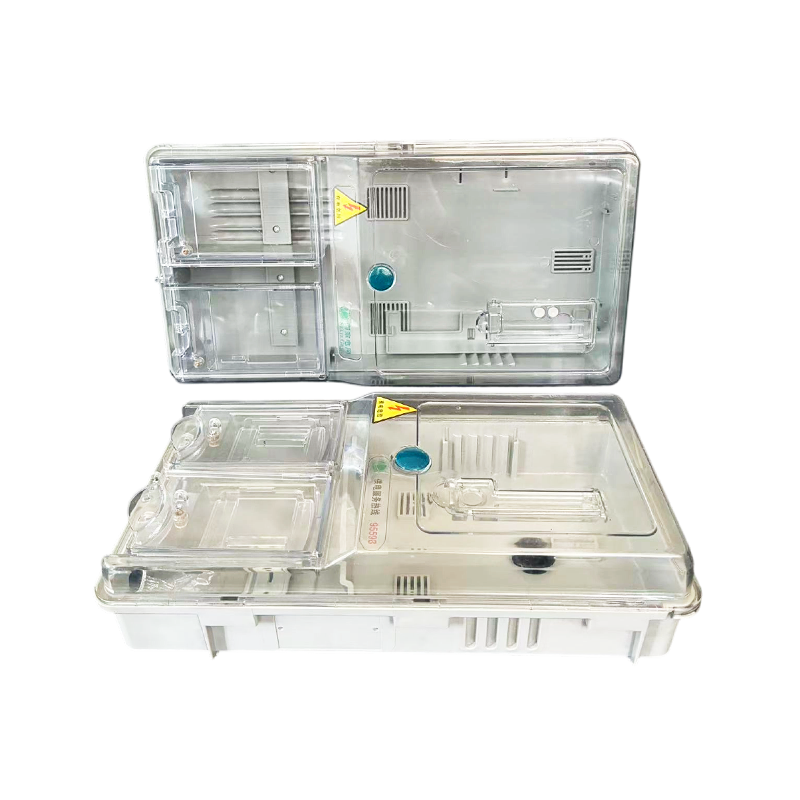
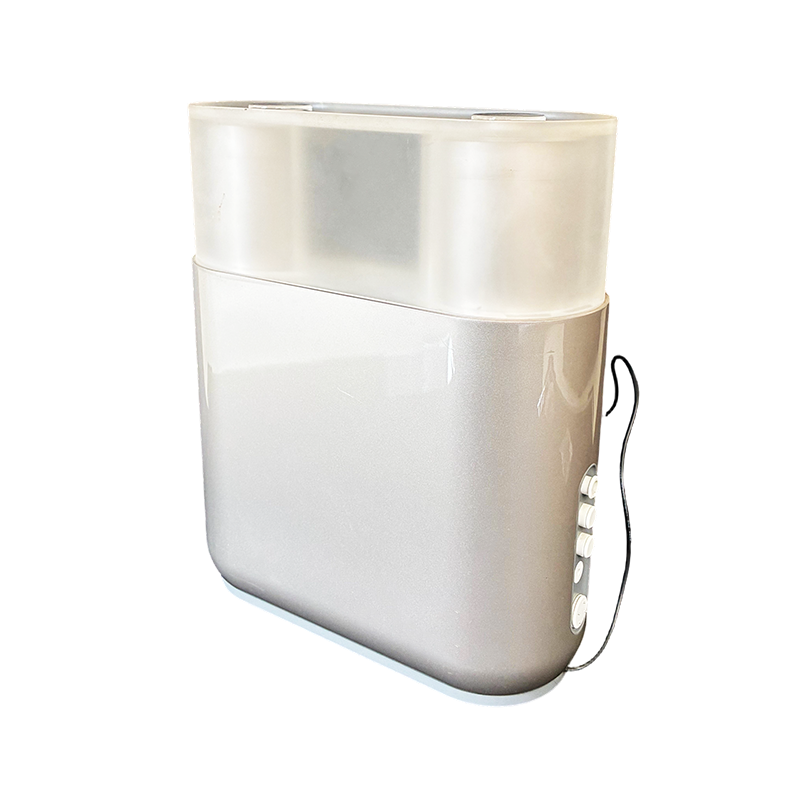
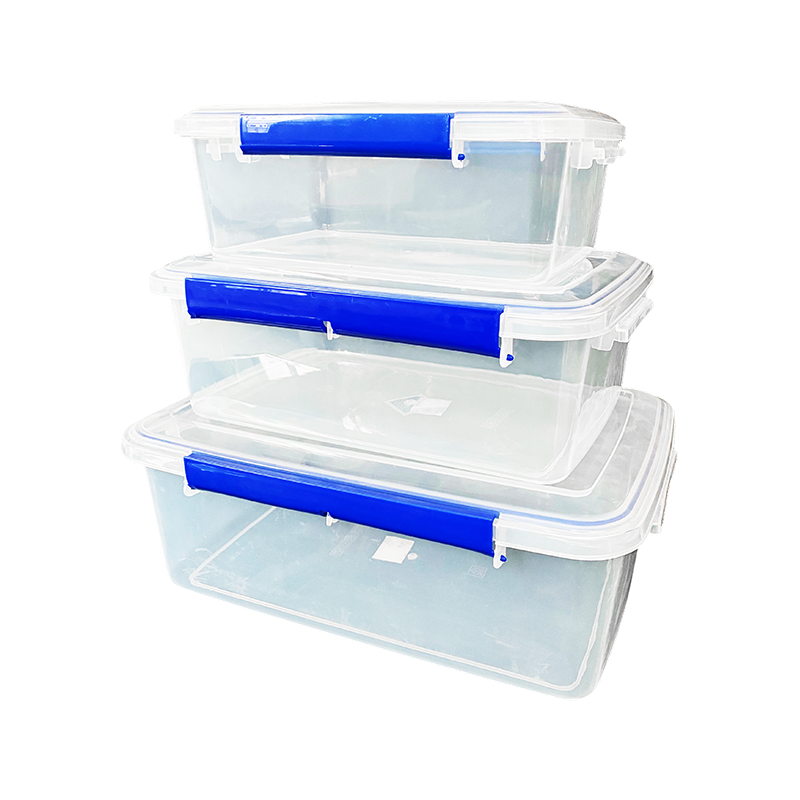
A plastic mold factory takes a part drawing and turns it into a steel tool that runs in an injection press. The cavity is cut to the shape of the part. The cooling channels pull the heat out. The ejector system pushes the part out. The mold is not a container. It is the tool that decides whether the part fills, cools, and releases the same way on the first cycle and the millionth. For product developers and plastic processors, the mold factory is where the part stops being a drawing and starts being a product.
The Shrinkage Allowance Comes First
Every plastic shrinks as it cools. The cavity is cut larger than the finished part by the shrinkage factor for that resin. Polypropylene shrinks at one rate. Polycarbonate at another. Glass-filled nylon at a third. The factory that gets the factor wrong ships a mold that produces parts out of tolerance, and no amount of adjustment on the press fixes it.
The resin also sets the processing window. The mold temperature, the injection speed, the cooling time. The cooling channels and the gate size are designed around the material, not around a generic mold standard.
The Gate Position Decides How It Fills
The gate is where the melt enters the cavity. Its position determines how the flow front moves through the part. A gate in the wrong place leaves a weld line in a structural area, traps air in a corner, or short-shots a thin section. The factory runs a flow analysis before cutting steel. The analysis costs a day. The rework costs weeks.
Cooling Is the Cycle Time
The mold that cools faster produces more parts per hour. The cooling channels are drilled or machined close to the cavity surface, targeting the thick sections where the heat pools. Conformal cooling, channels that follow the contour of the part, pulls heat from areas that straight drilled lines miss. The factory that designs the cooling for the cycle time, not just for the geometry, delivers a mold that pays for itself.
The Ejection Lands Where It Does Not Show
The ejector pins push the part off the core. They land on ribs, bosses, and non-visible surfaces. A pin mark on a sealing face or a bearing surface is a defect. The factory positions the ejection for the part's function, and the slides and lifters for the undercuts that prevent a straight release.
Here is what a plastic mold factory has to deliver:
- Cavity dimensions compensated for the resin shrinkage
- Gate position analyzed for the fill and the weld lines
- Cooling channels designed for the cycle time
- Ejection and slides positioned for clean release
- Steel selection matched to the volume and the material
- Surface finish to the part requirement
The Steel Follows the Volume
A prototype mold uses aluminum or P20. A production mold uses H13 or S136. The steel has to hold its hardness through the cycles the customer expects. The factory that recommends the steel for the volume, not for the margin, builds a tool that lasts.
The Rework That Costs More Than the Mold
A mold cut before the design is frozen becomes scrap when the part changes. A mold with inadequate cooling runs slow and warps the part. A mold with the ejection in the wrong place sticks and scars the part. Each one sends the tool back to the bench.
A plastic mold factory turns a part design into a production tool. The shrinkage, the gate, the cooling, and the ejection decide the outcome. Choose a factory that analyzes before it cuts.

- VISIT US:
- Zhuling Village, Beicheng Subdistrict, Huangyan District, Taizhou City, Zhejiang Province, China
- CONTACT US:
-
-
[email protected]

-
+86-18057683888

+86-13666493686
-
- GET IN TOUCH
Copyright ©
Zhejiang Taizhou Hongya Mould Co., Ltd.
All Rights Reserved.
 Mold Supplier And Mold Customization Manufacturer
