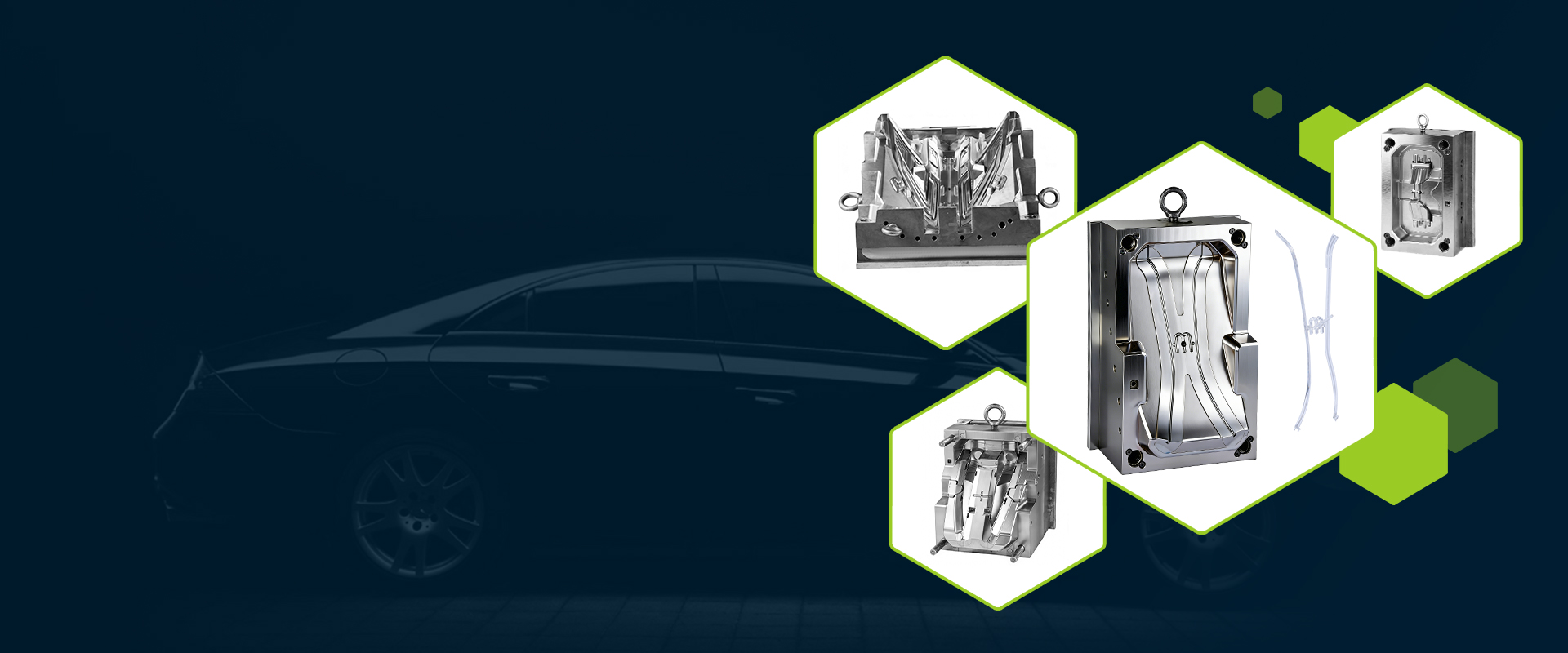
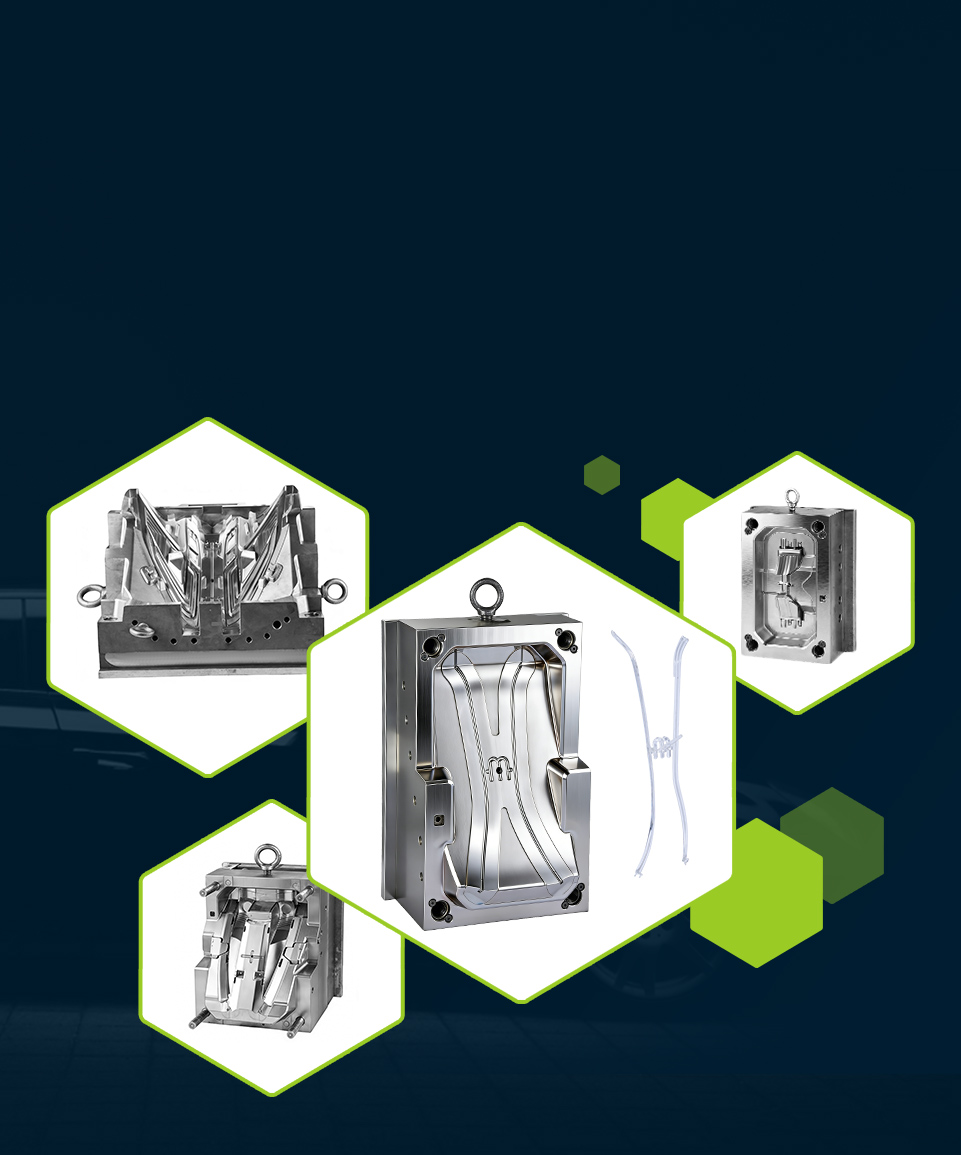
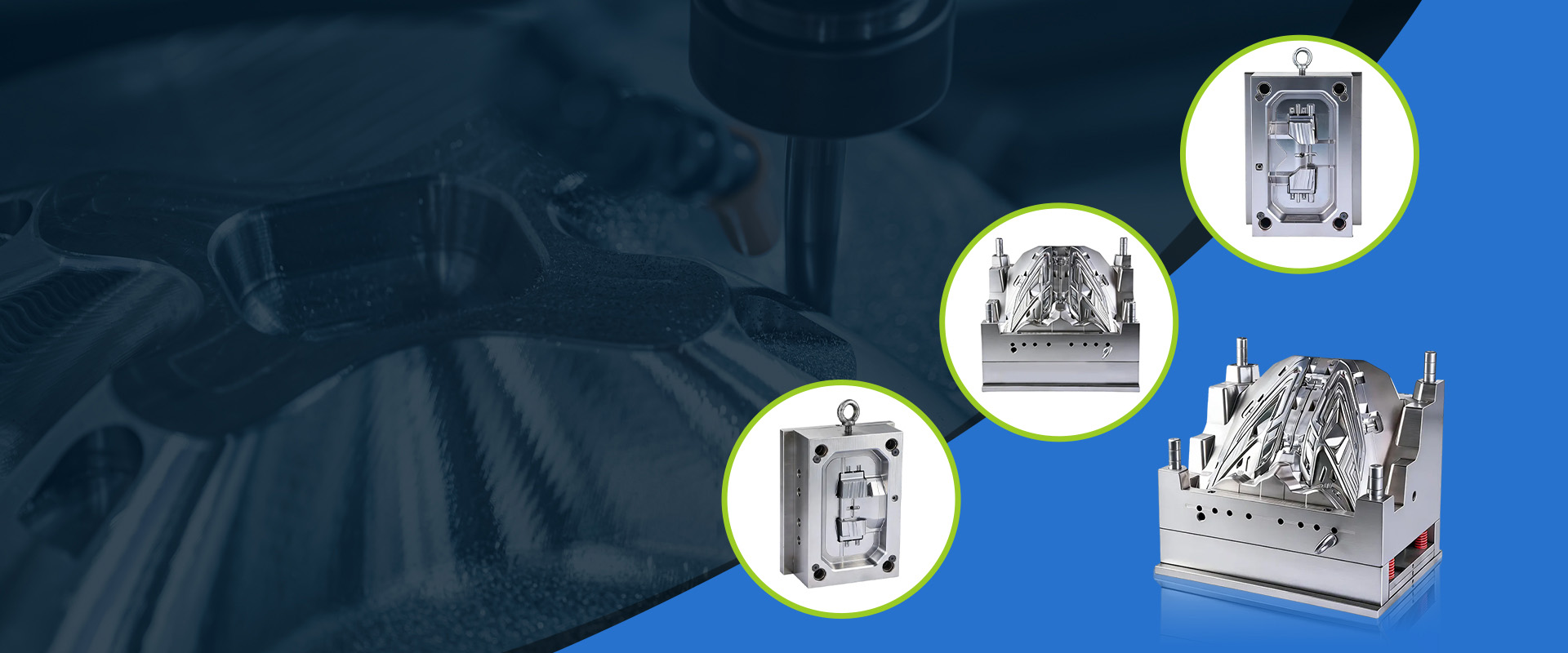
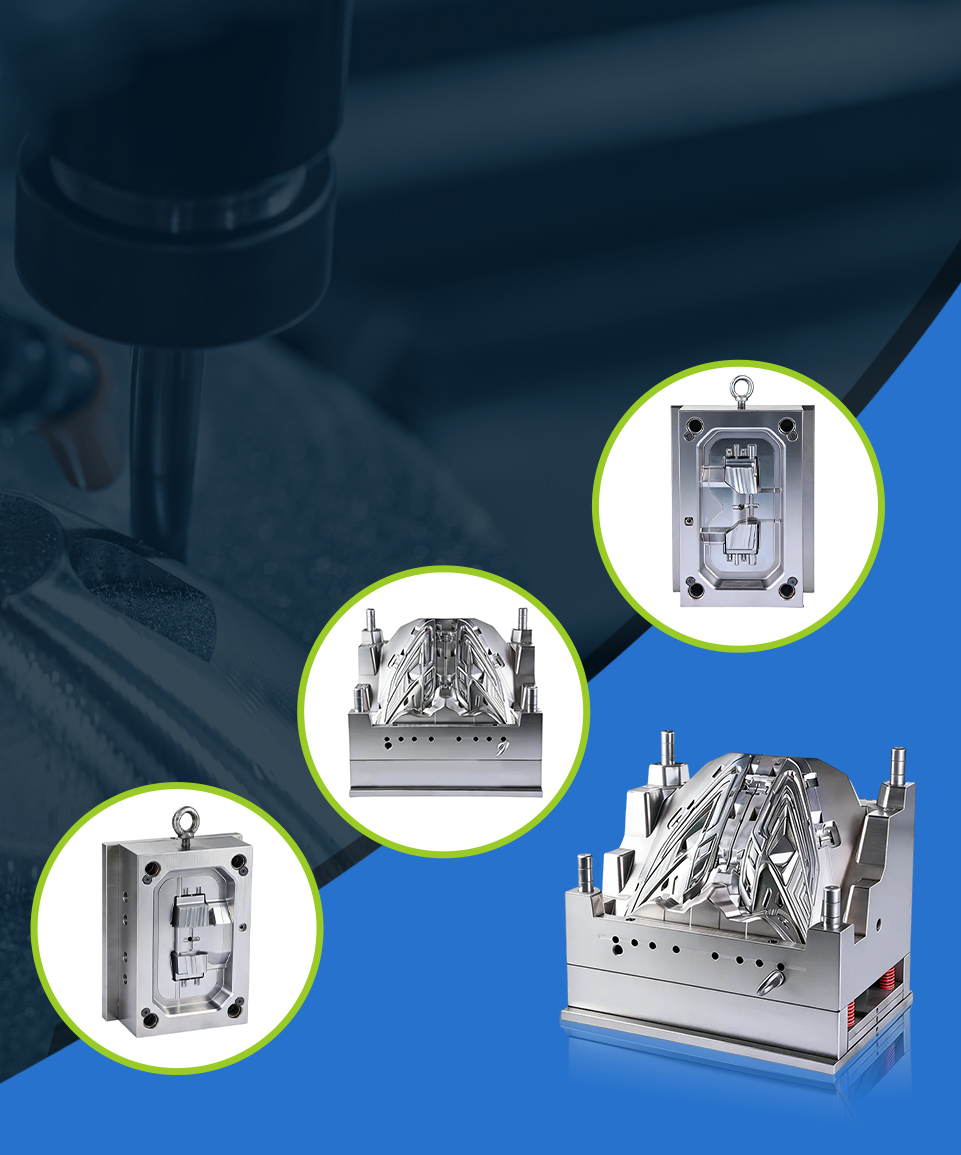
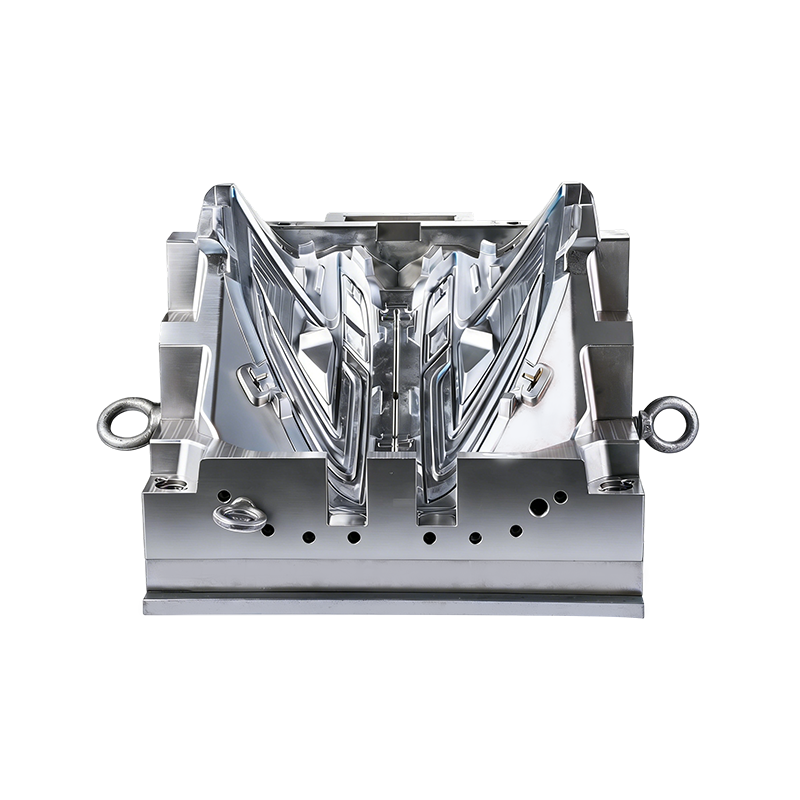
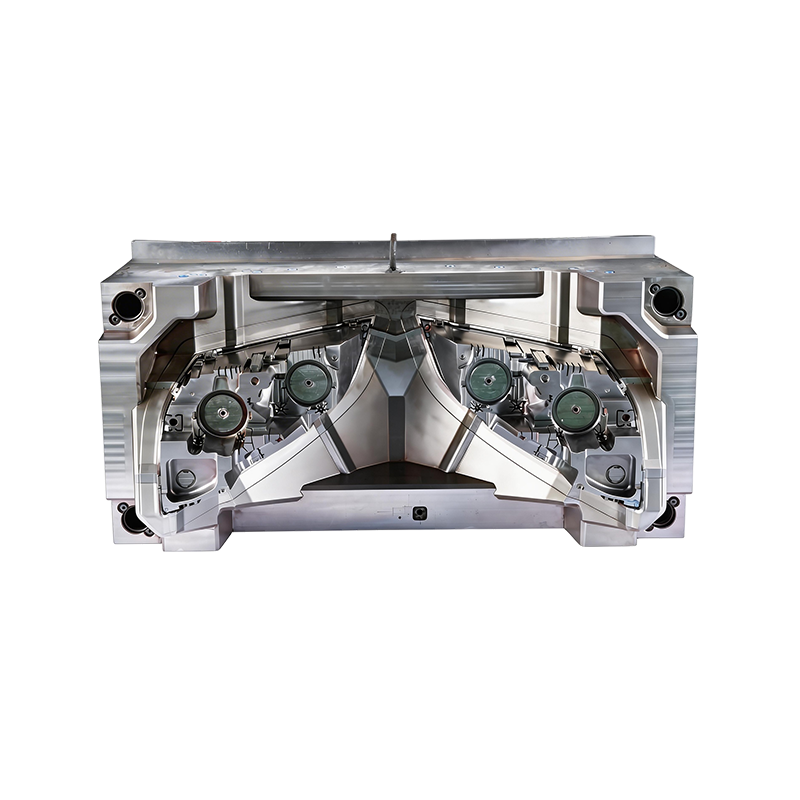
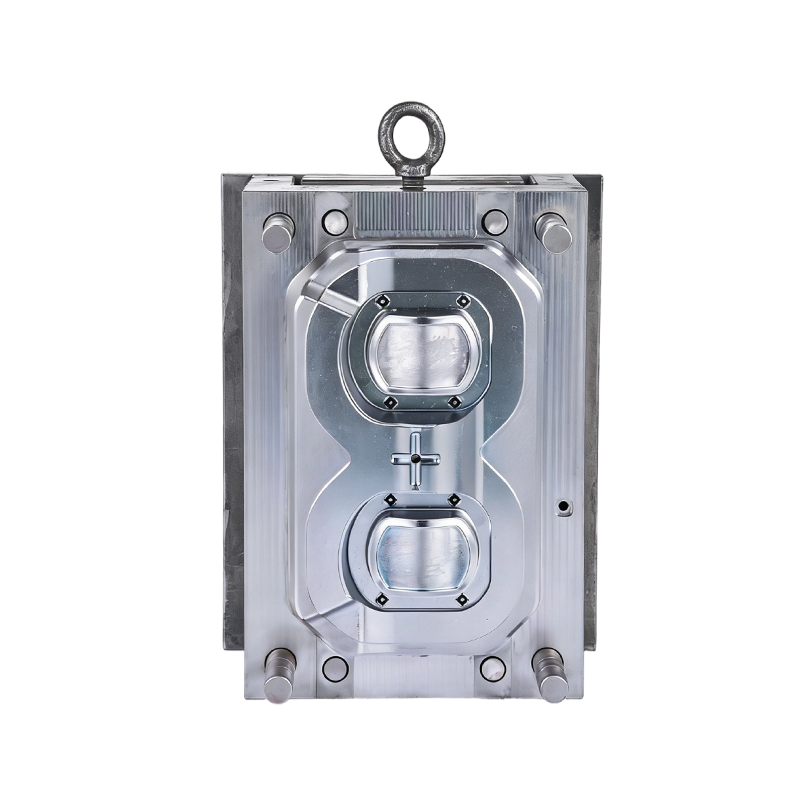
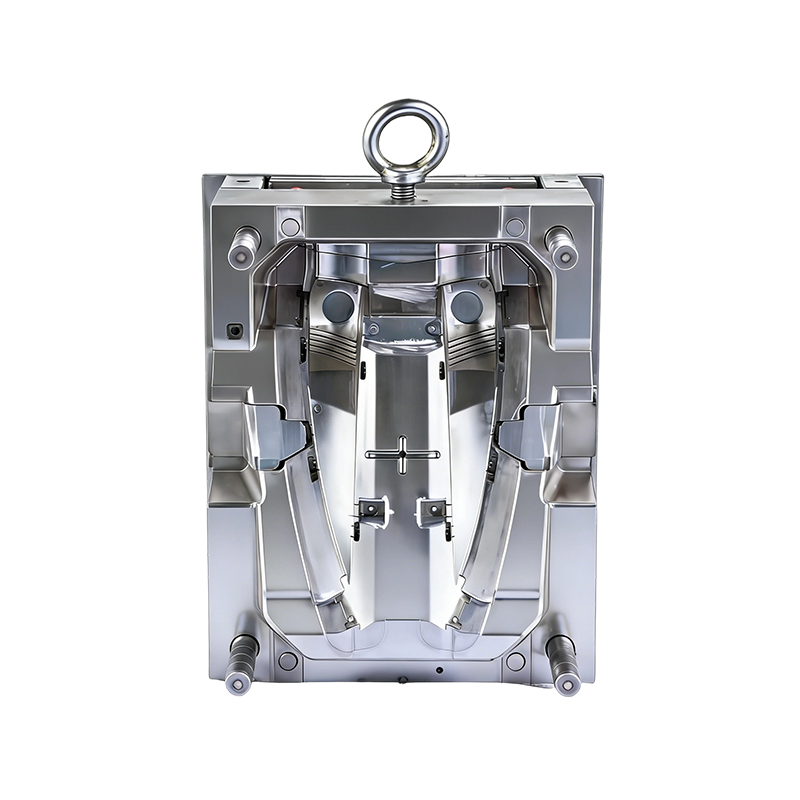
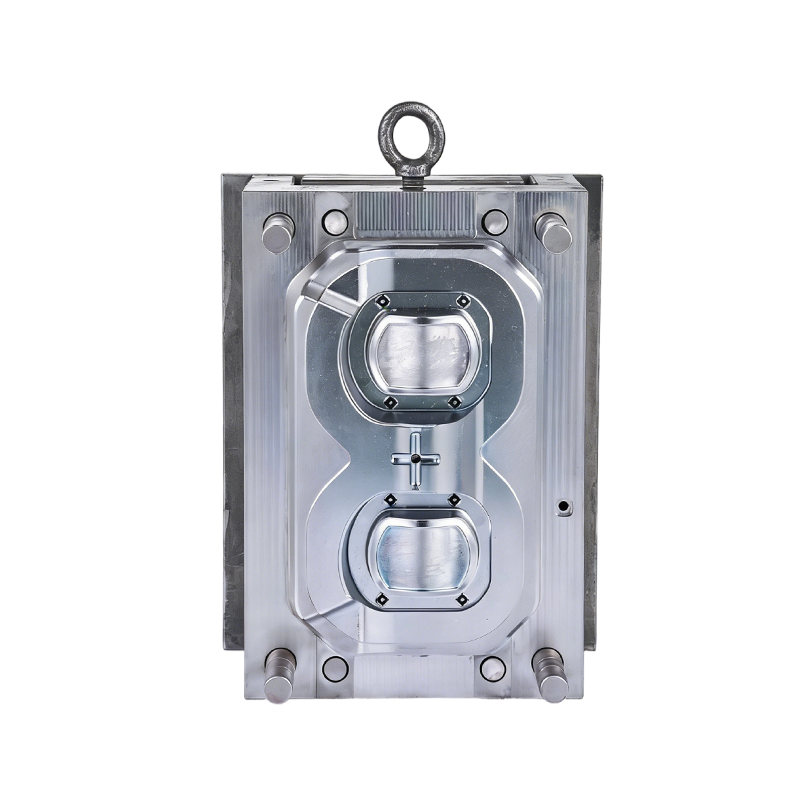
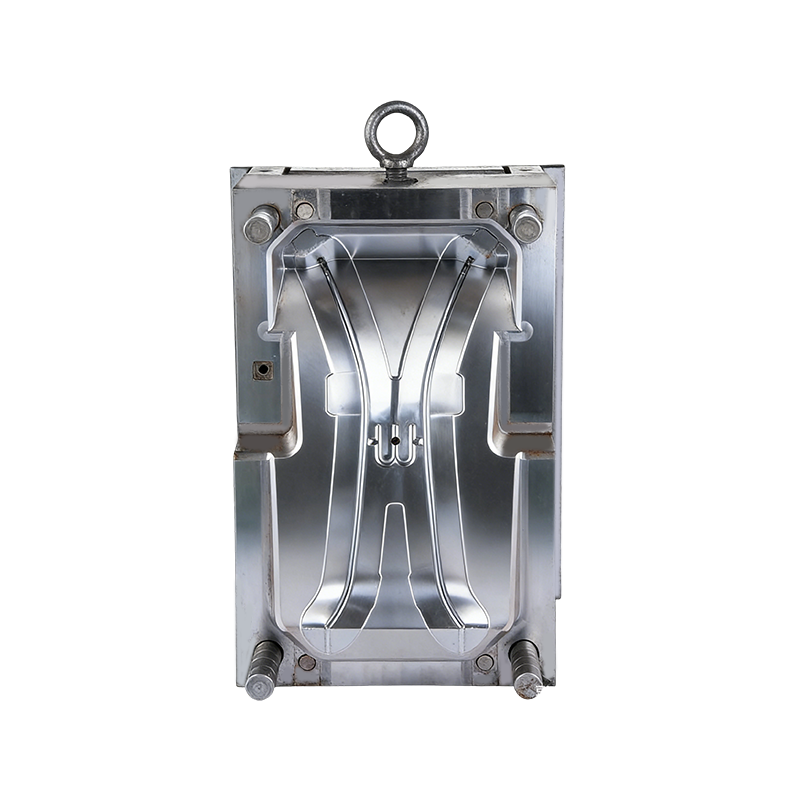
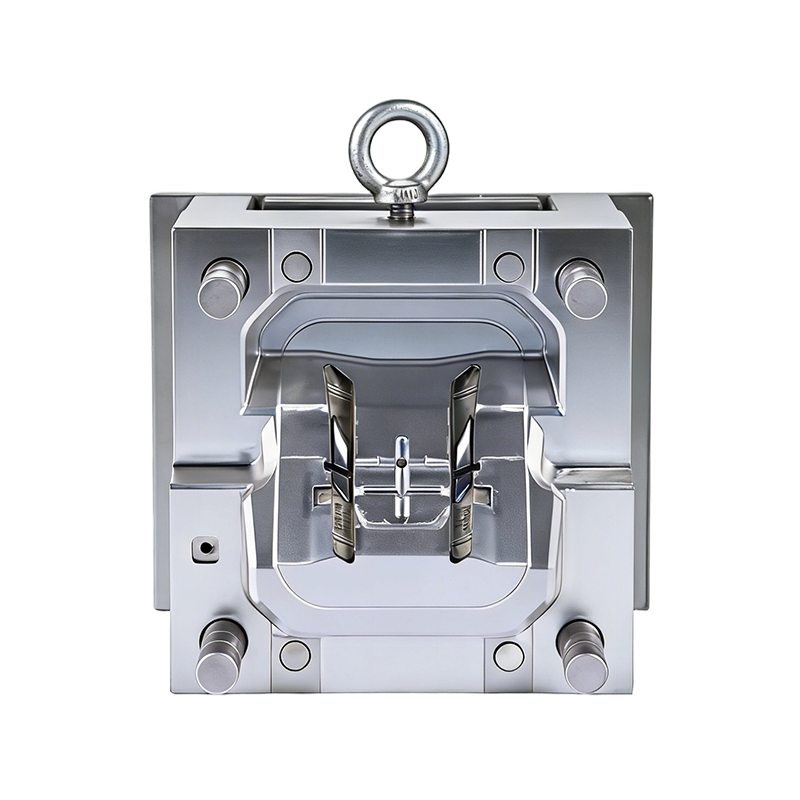
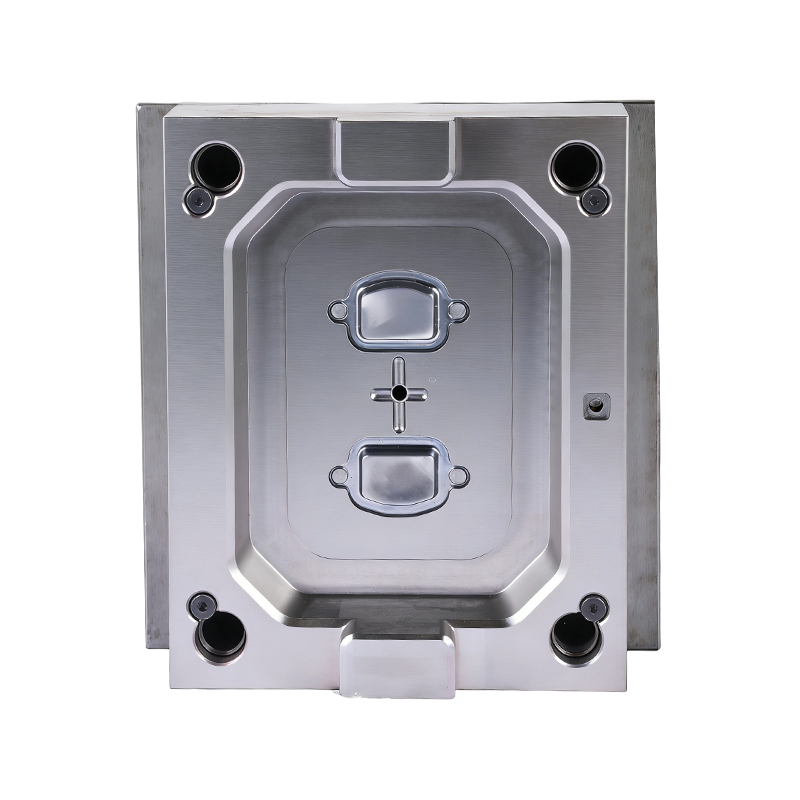
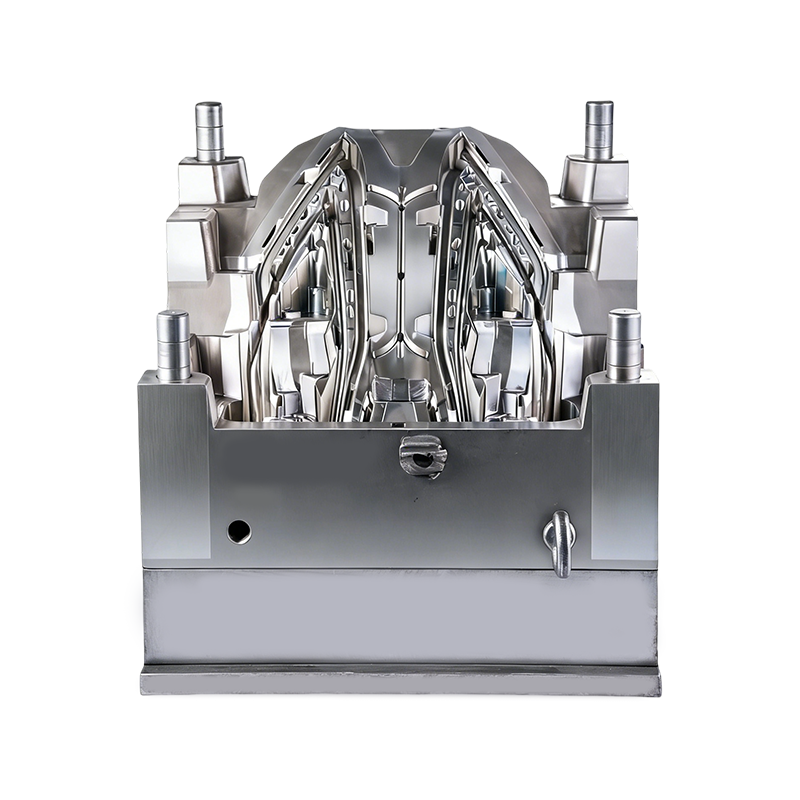
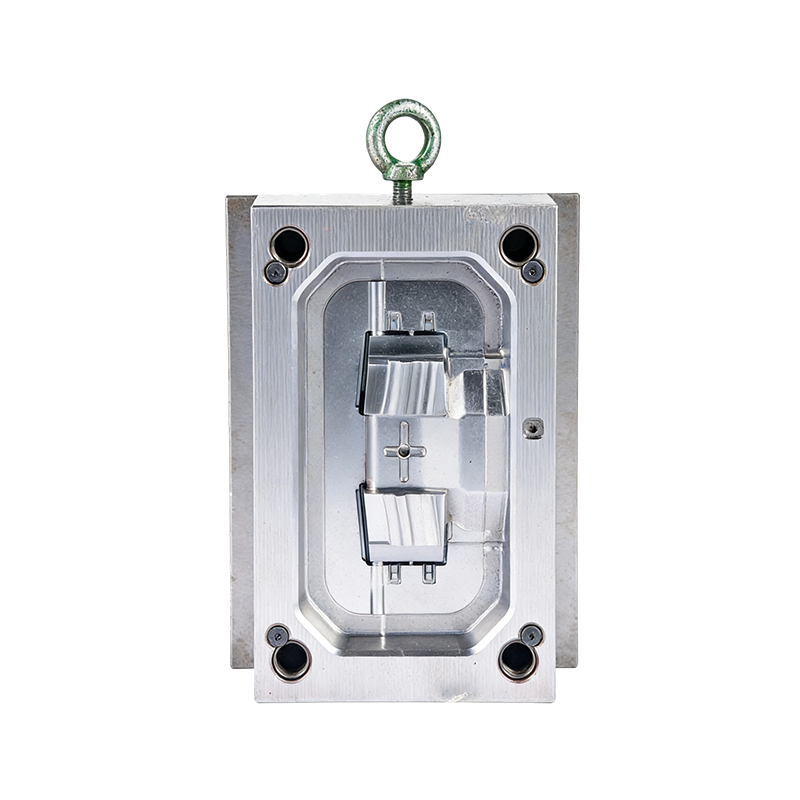
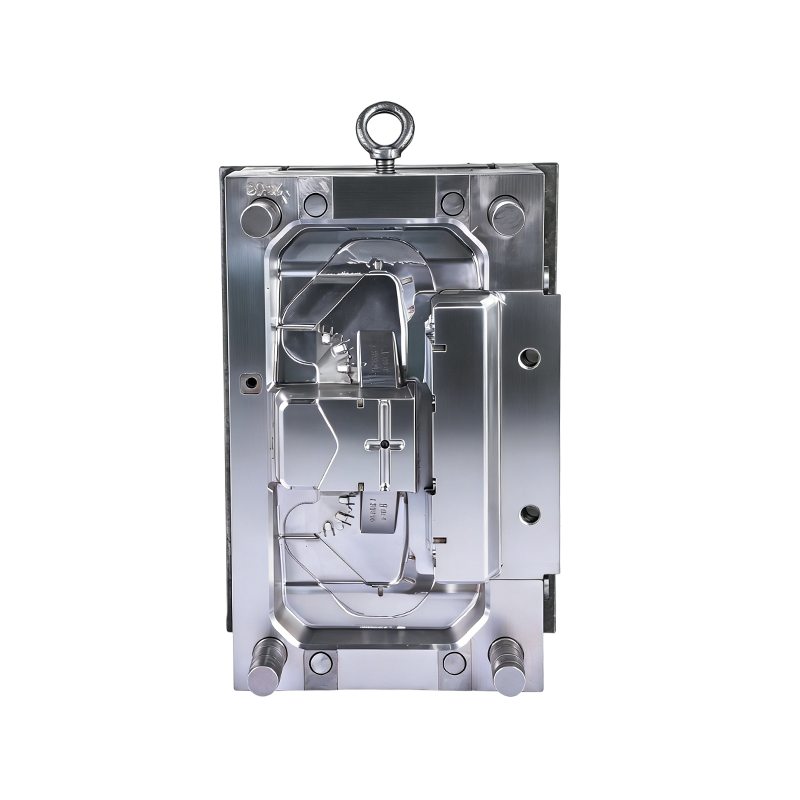
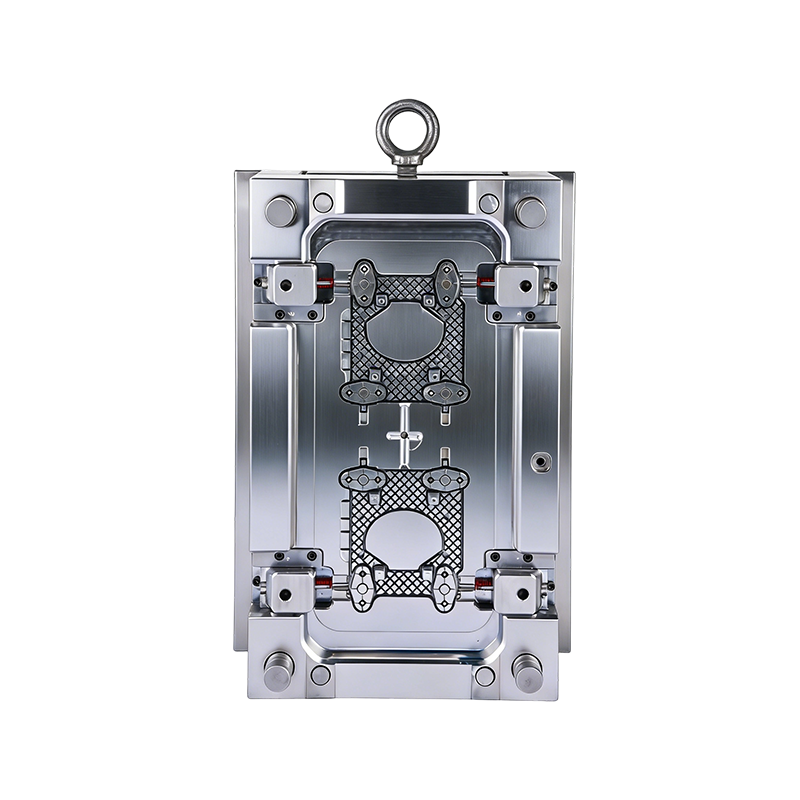
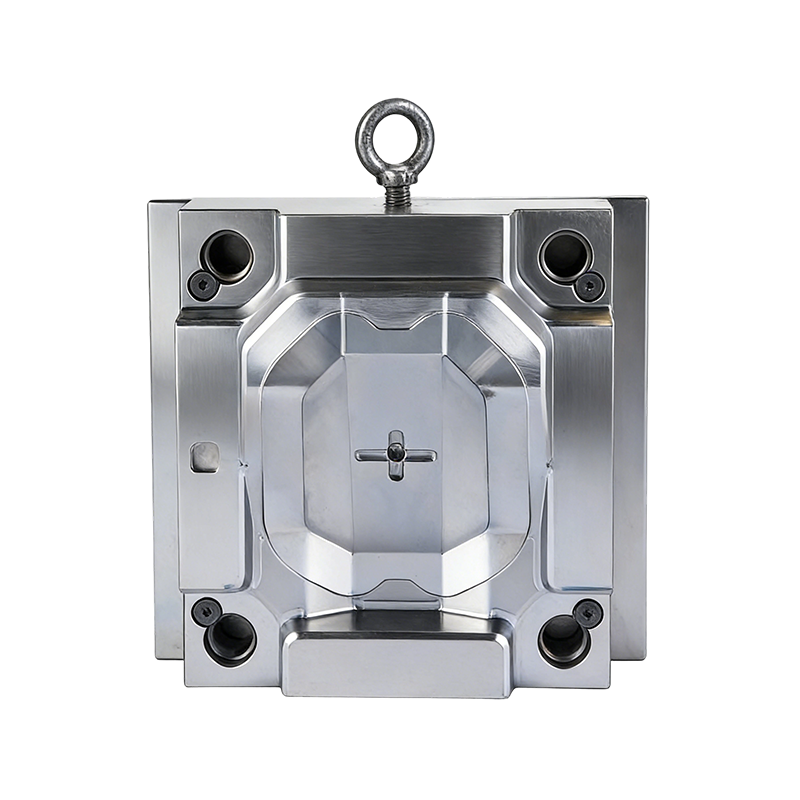
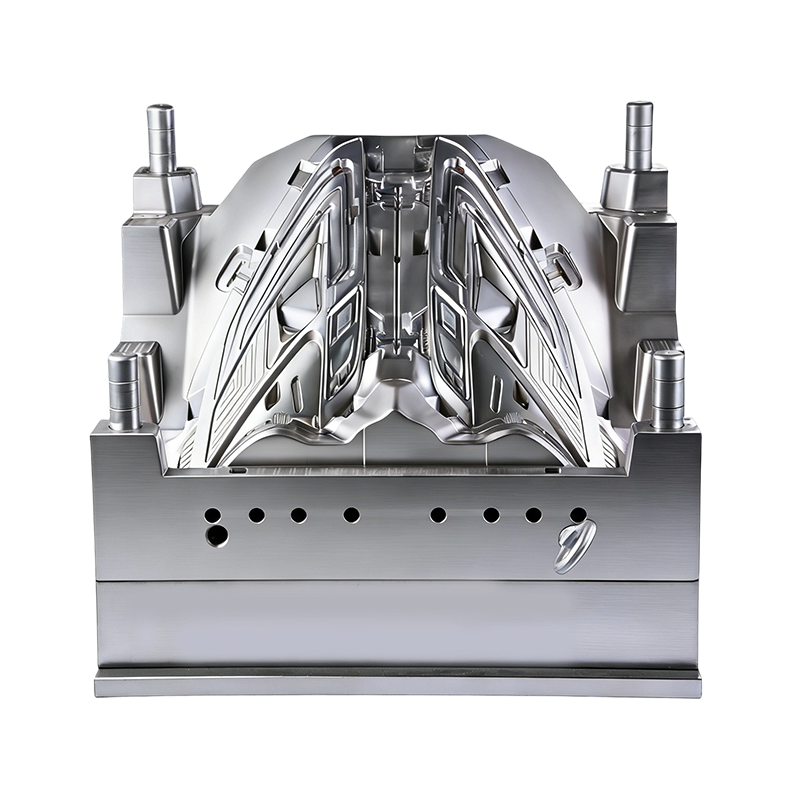
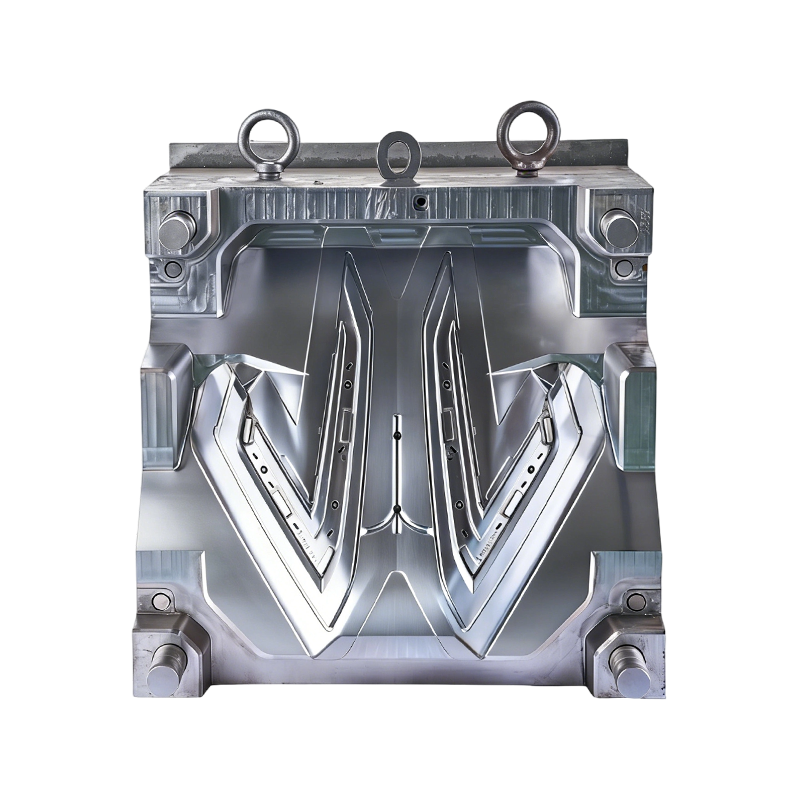
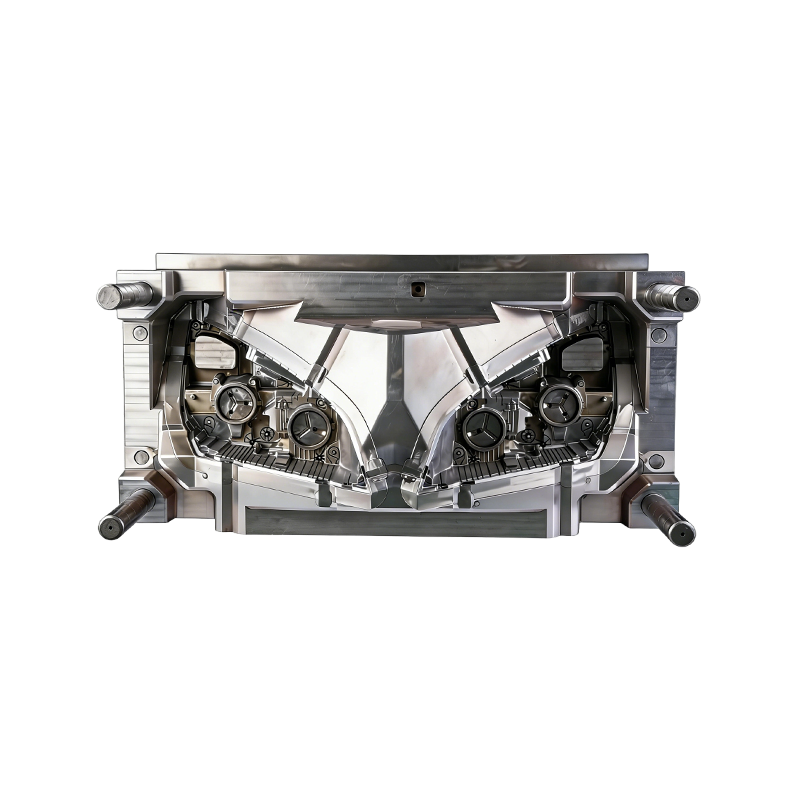
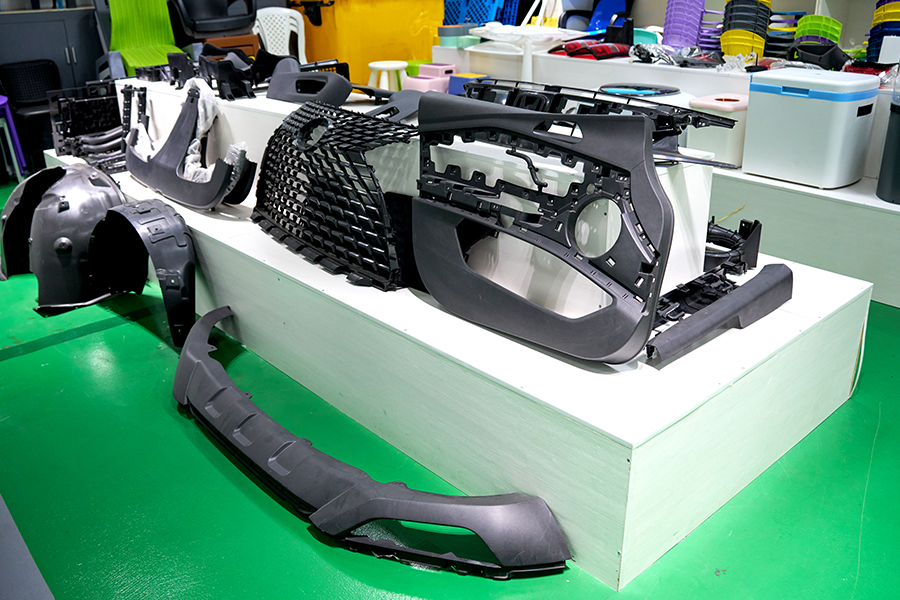
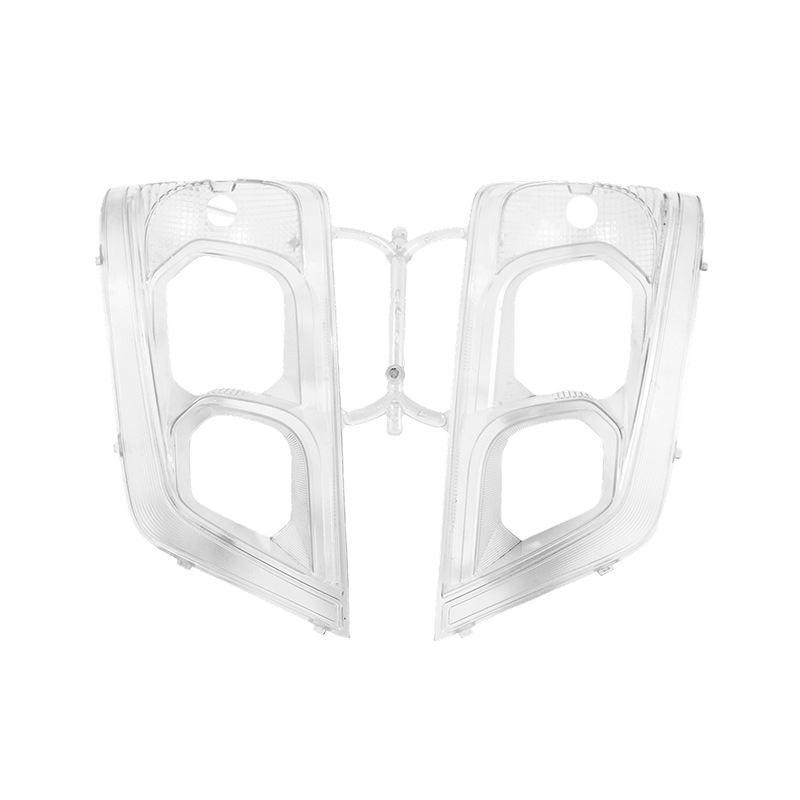
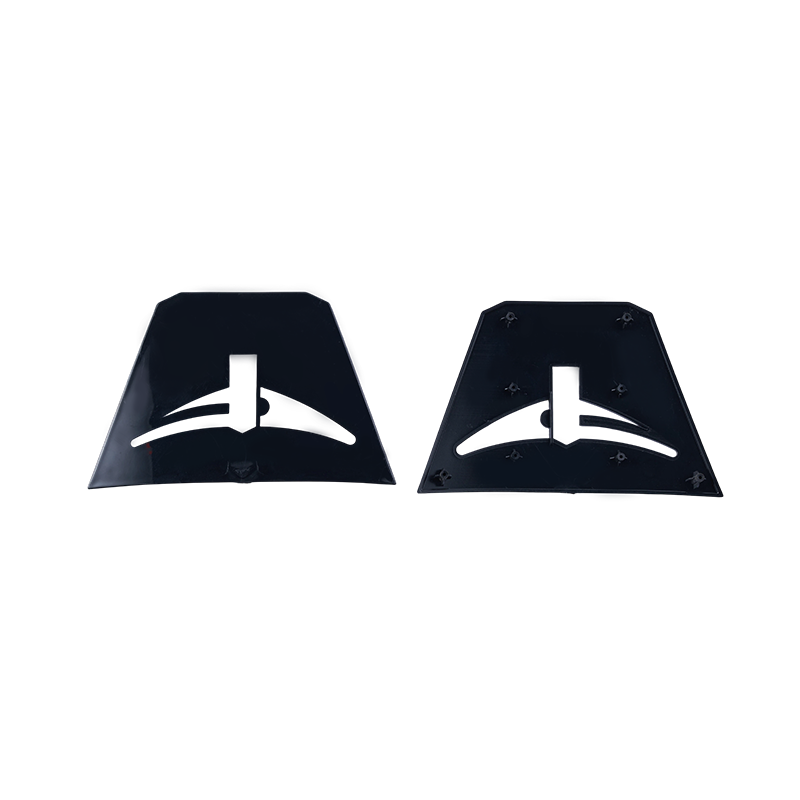
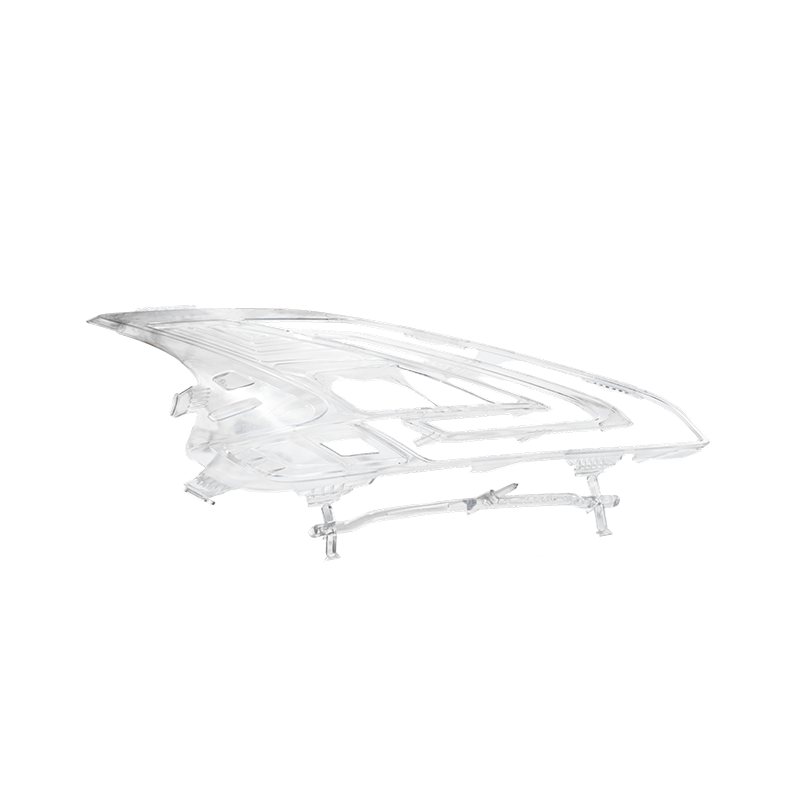
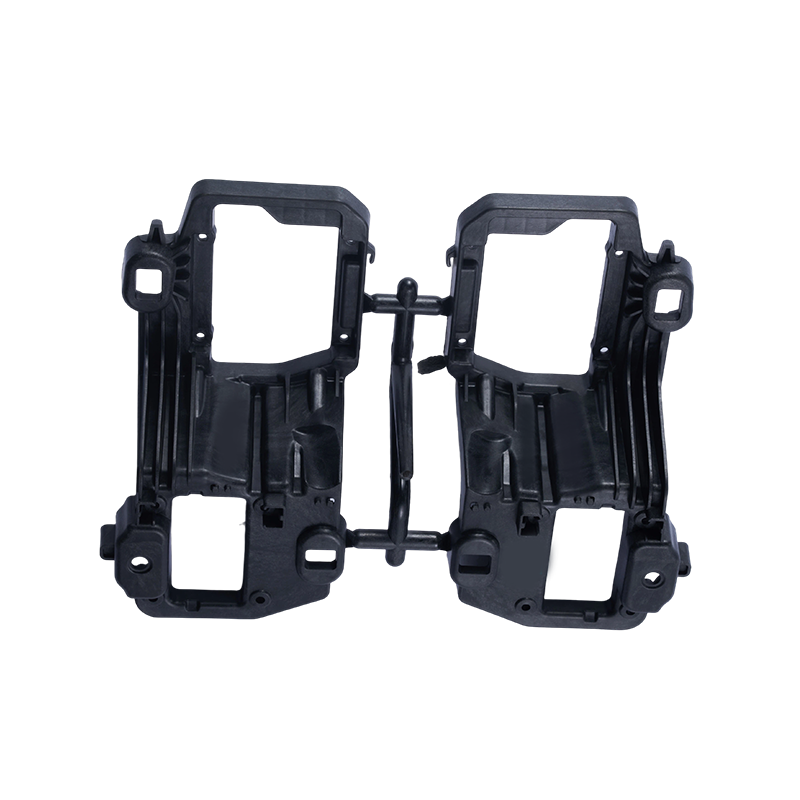
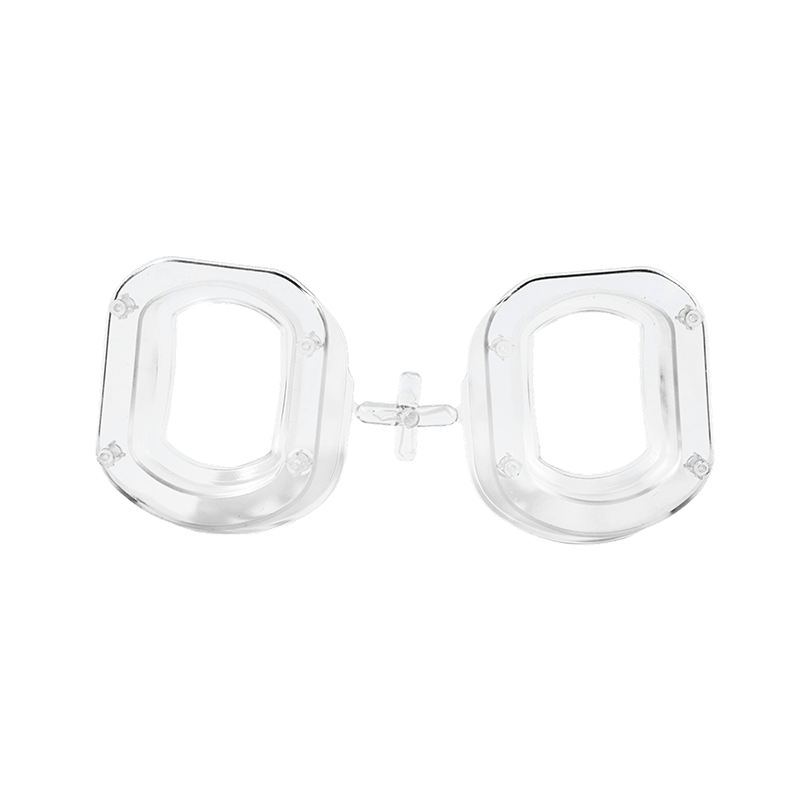
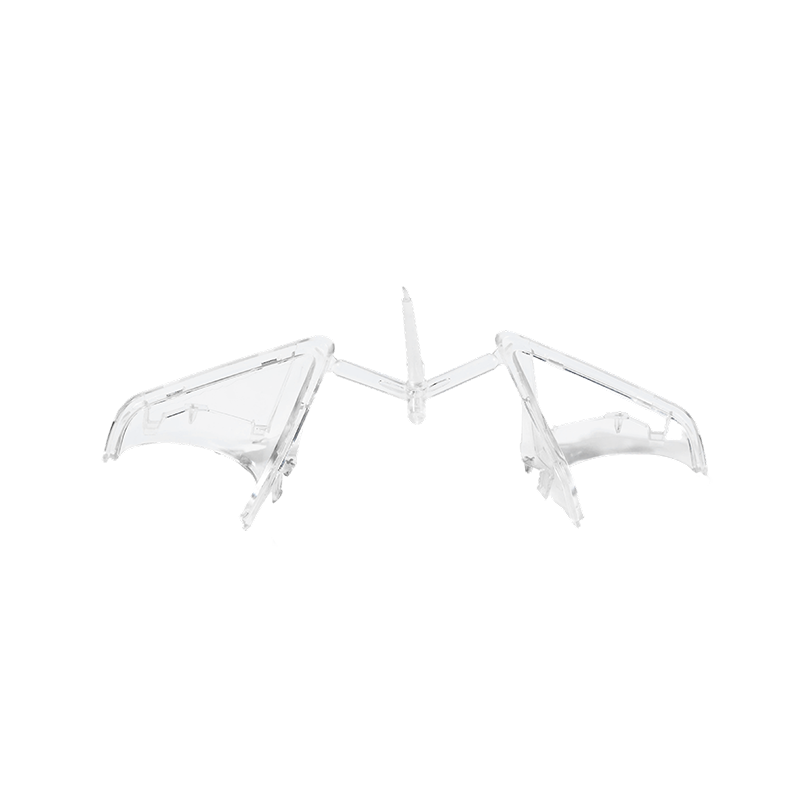
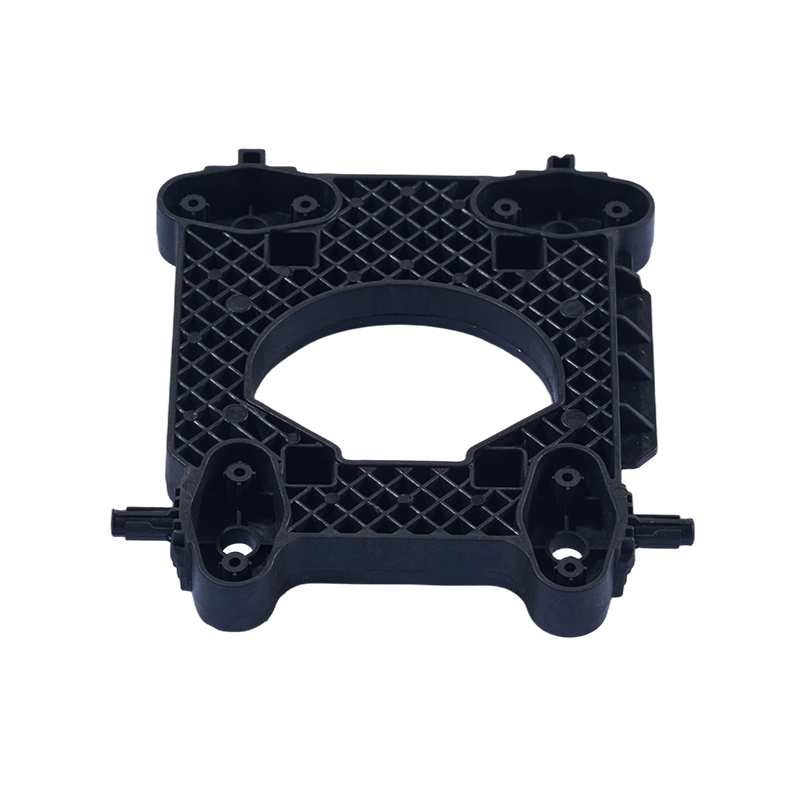
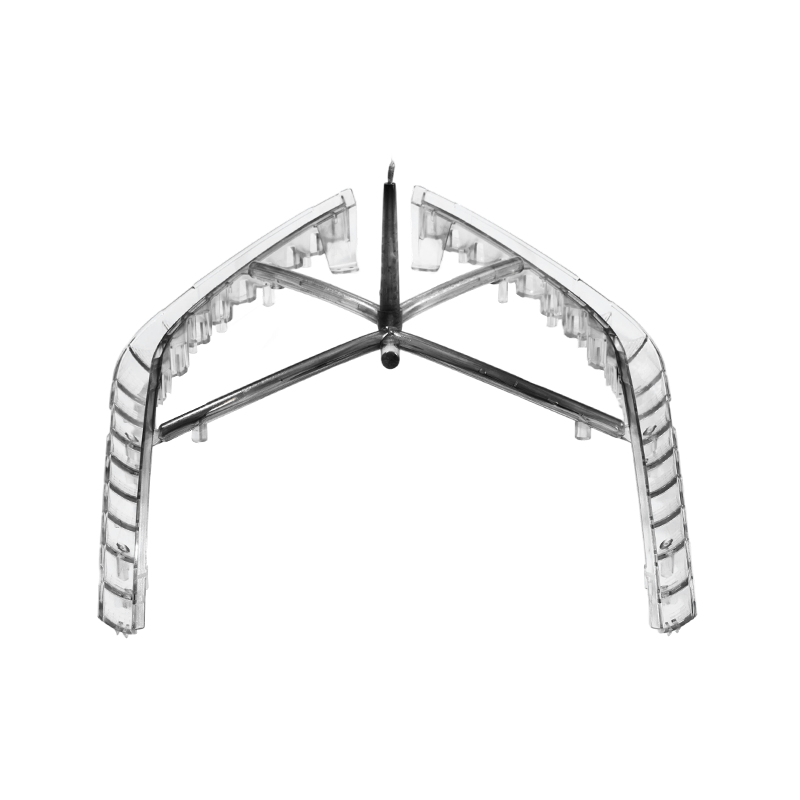
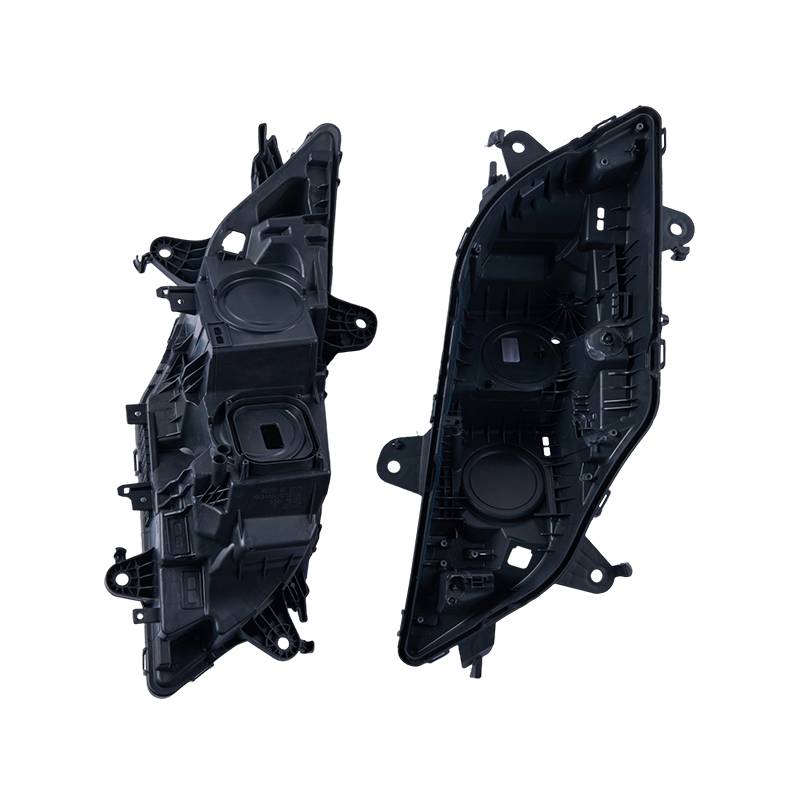
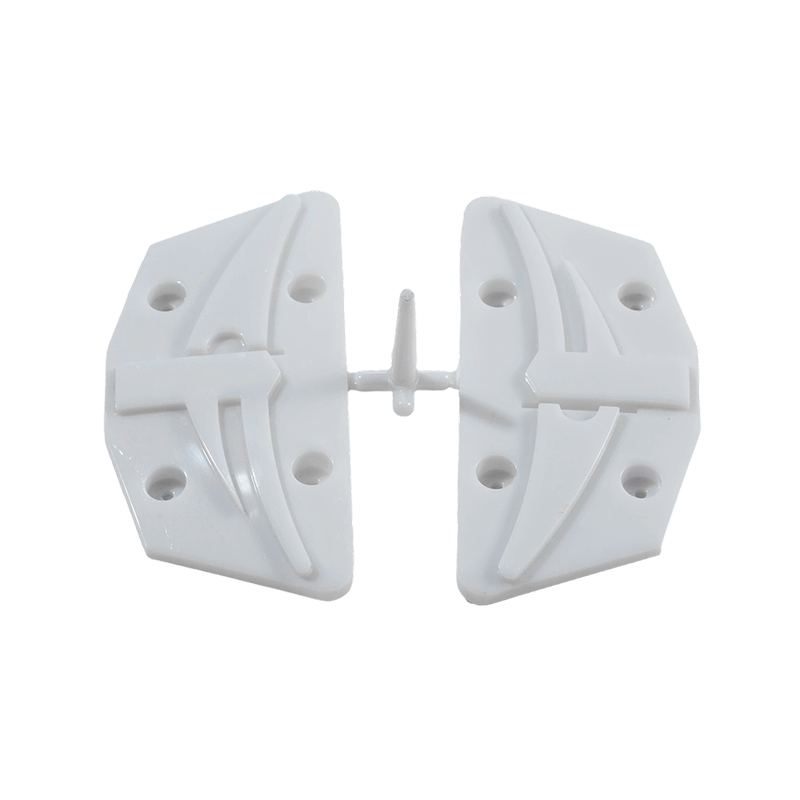
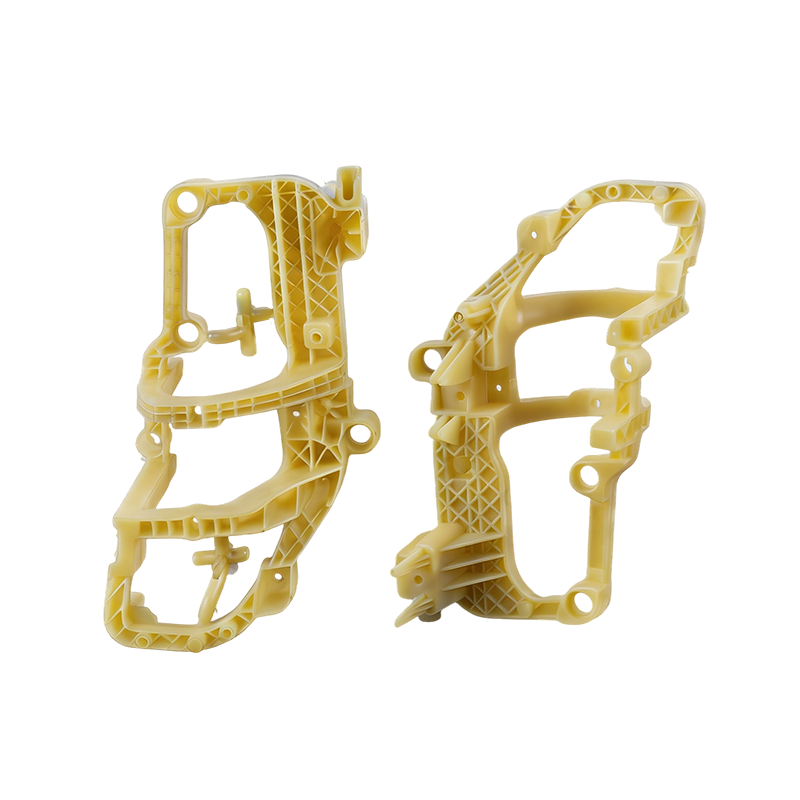
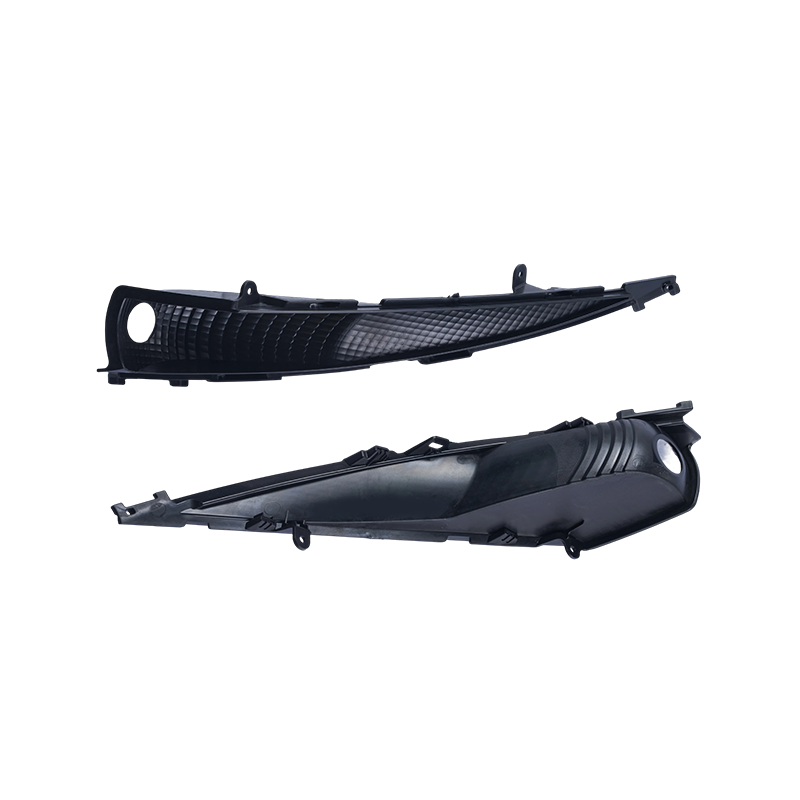
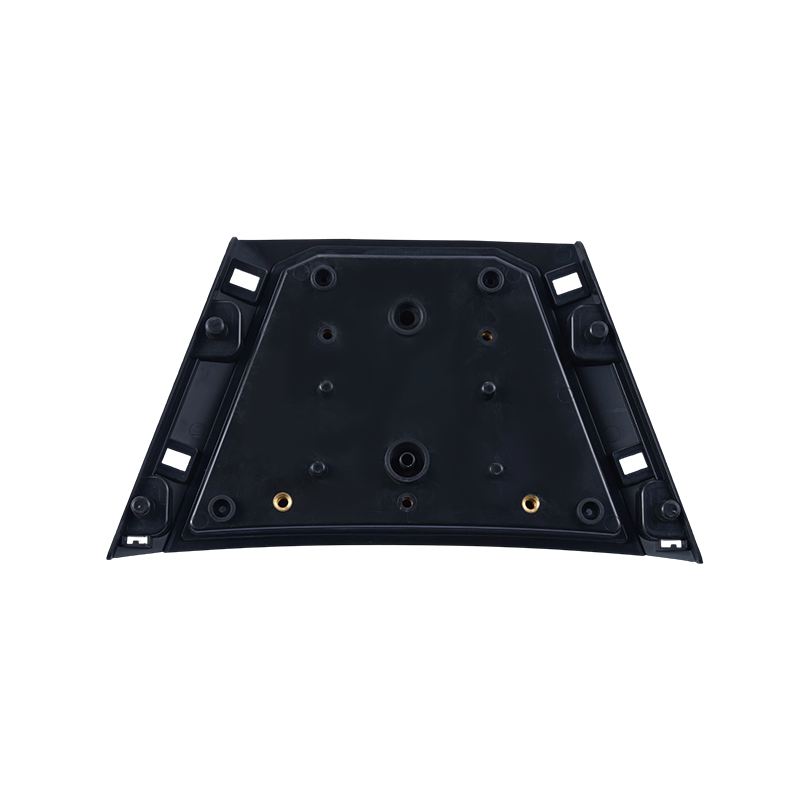
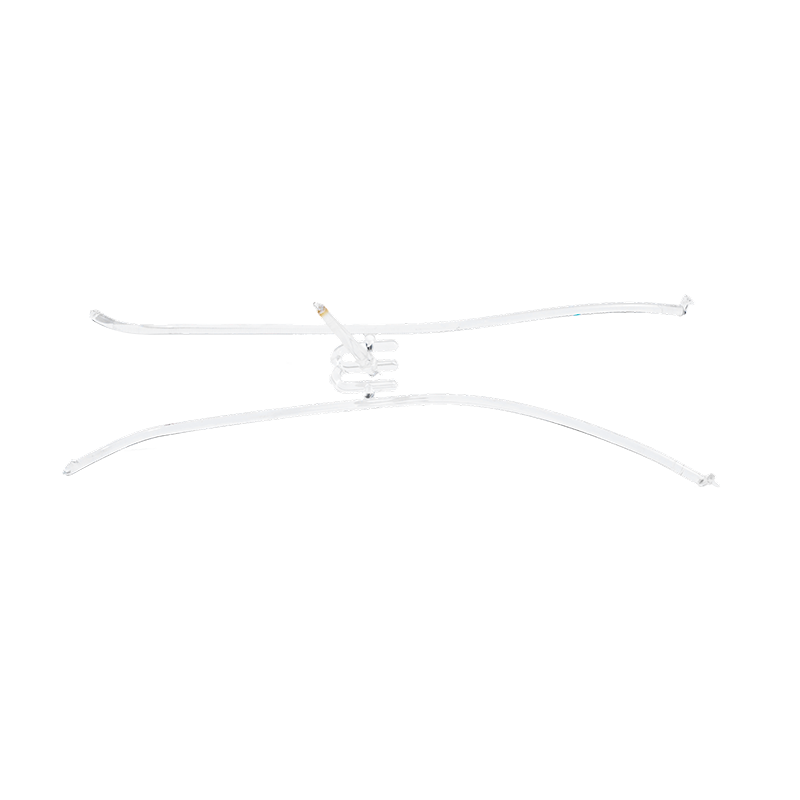
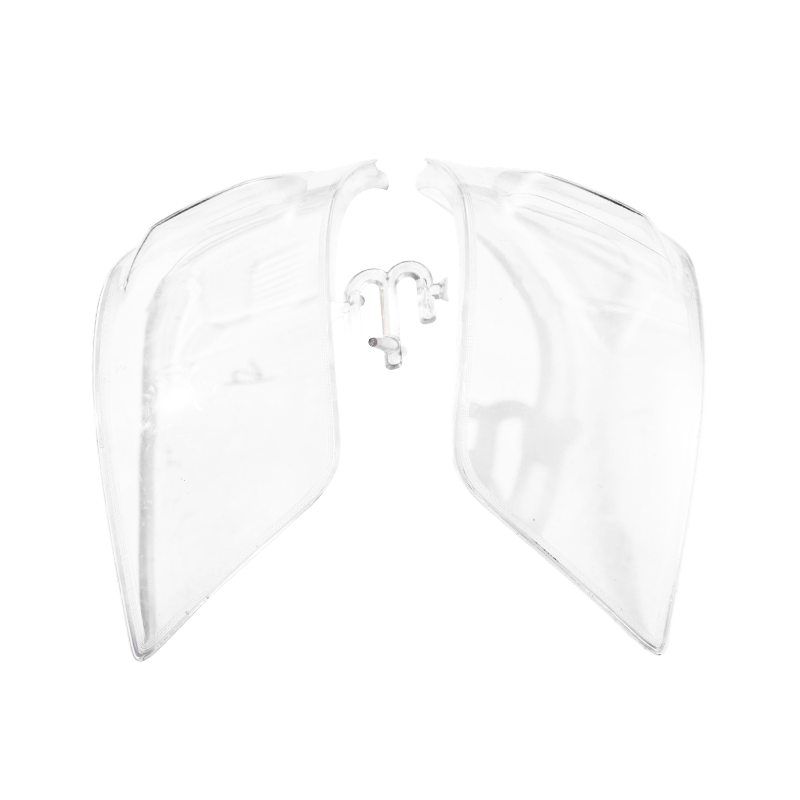
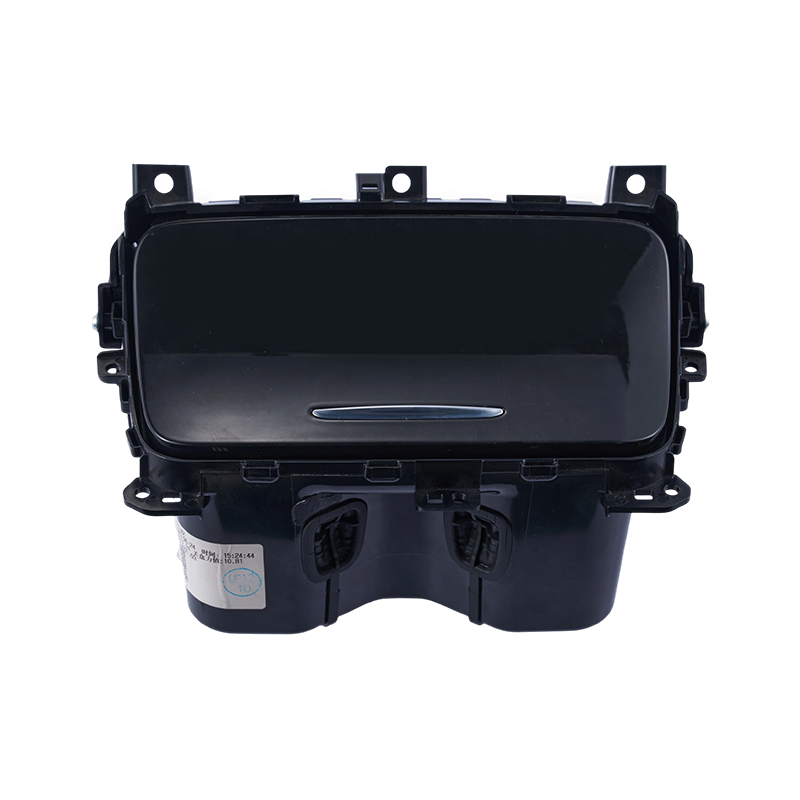
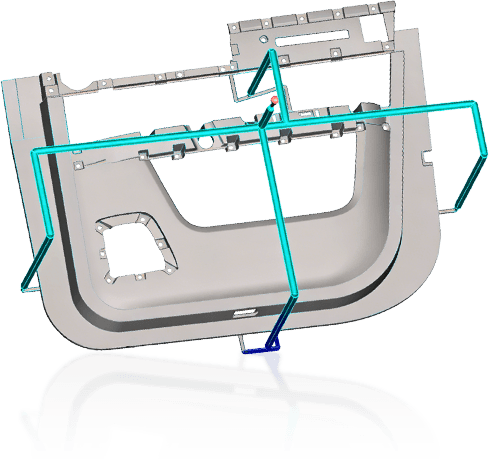
There is no essential difference between automotive injection moulds and other injection moulds, but they also have many of their own characteristics. Since the added value of automotive injection moulds is generally high, many advanced technologies (such as sequential valve hot runner control technology, internal parting surface technology, low-pressure injection technology, etc.) are developed and applied in automotive injection moulds first.
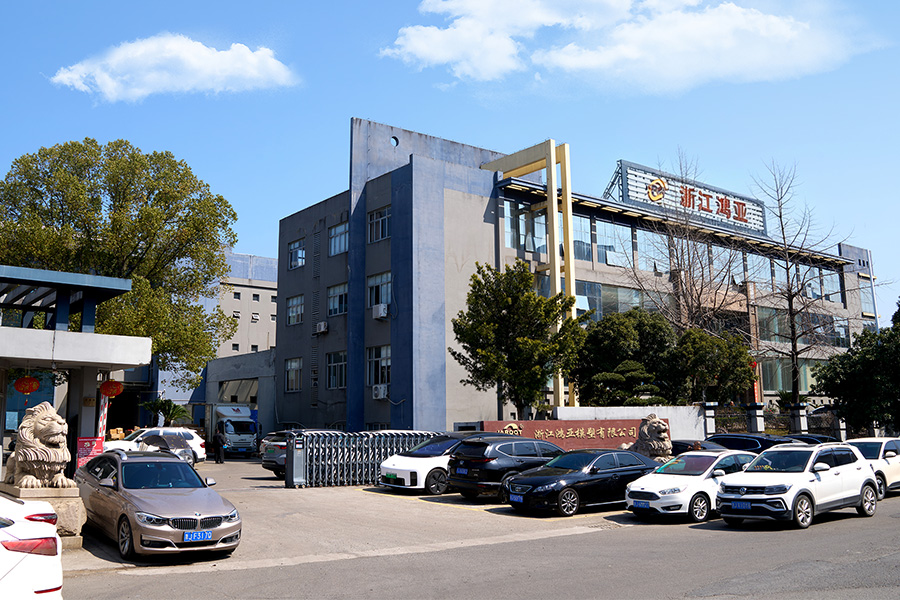
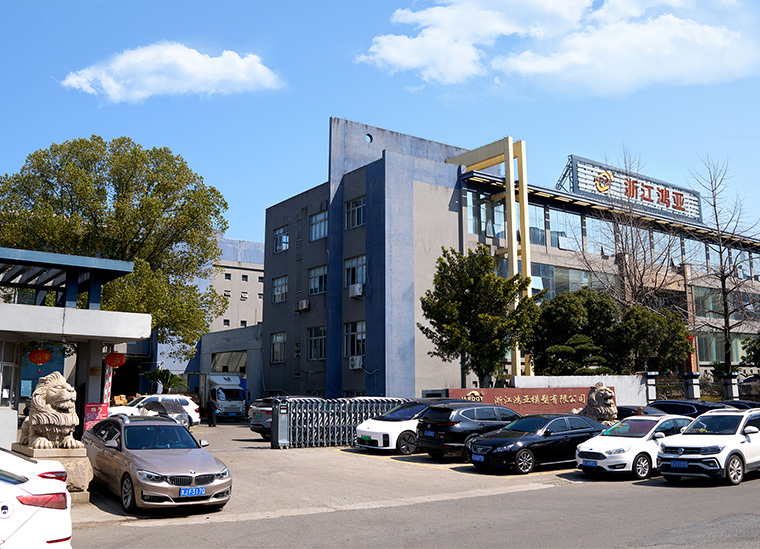
Zhejiang Taizhou Hongya Mould Co., Ltd.
ADVANCED TECHNOLOGY
  • SVG Technology
    The sequential valve hot runner control technology (SVG technology) is a new type of sequential control hot runner technology. It controls the injection of materials in sequence through the oil cylinder, solving the problem of appearance defects in products that were produced by traditional multi-point synchronous injection. It can effectively avoid the appearance of fusion marks and cavitation defects on automotive interior and exterior parts, reduce the flow length, lower the molding pressure, and has played a significant role in automotive interior and exterior parts with strict appearance requirements.
  • Low-pressure double-layer injection molding technology
    Low-pressure double-layer injection molding mold, also known as low-pressure injection molding mold, is a new type of injection molding technology. It directly completes the injection process of the parts by injecting plastic into the mold in one go, without relying on manual coating or vacuum suction of the negative mold and positive mold. The main principle of the low-pressure injection molding mold is: the plastic flows on the fabric under the injection pressure. When the mold opens, the fabric should first be hung onto the needle of the front mold, then the mold is closed, injection is carried out, and the part is taken out. This technology produces products with a special soft fabric on the surface. Whether in terms of decoration, feel, or appearance, the quality has been greatly improved. Therefore, the low-pressure injection molding mold technology is widely used in mid-to-high-end automobiles, and is generally applied to parts such as car map bag frames, car ABC pillars, etc.
  • Automobile bumper internal parting injection molding mold technology
    In automotive injection moulds for bumpers, advanced internal parting surface technology is commonly employed during mould design. The key advantage of this approach is that the parting lines are concealed on the non-visible surfaces of the bumper, rendering them invisible after vehicle assembly. As a result, the product's appearance remains unaffected. However, compared to external parting bumpers, this technology involves greater structural complexity and higher manufacturing difficulty, accompanied by increased technical risk. Consequently, both mold cost and pricing are considerably higher than those associated with external parting designs. Despite these factors, internal parting surface technology is widely adopted in mid-to-high-end vehicles due to the good aesthetic finish it provides.
OVER 13 YEARS OF EXPERIENCE
ABOUT US FOUNDED IN 2010

Zhejiang Taizhou Hongya Mould Co., Ltd. is a professional injection mould manufacturer in China

. We focus on automotive bumper, instrument panel, grille mould, auto lamp mould, household appliance plastic injection mould, and commodity mould. We are proud to support your projects with our team, from technical consultation, tooling, and moulding to quality control and project management. As your manufacturing partner, we take your initial concept designs and transform them into finished products in a timely and cost-effective manner.
View More
Zhejiang Taizhou Hongya Mould Co., Ltd.
  • Zhejiang Taizhou Hongya Mould Co., Ltd.
    Zhejiang Taizhou Hongya Mould Co., Ltd.
    0+
    Industry Experience
  • Zhejiang Taizhou Hongya Mould Co., Ltd.
    Zhejiang Taizhou Hongya Mould Co., Ltd.
    0+
    Floor Area
  • Zhejiang Taizhou Hongya Mould Co., Ltd.
    Zhejiang Taizhou Hongya Mould Co., Ltd.
    0+
    Number of Employees
  • Zhejiang Taizhou Hongya Mould Co., Ltd.
    Zhejiang Taizhou Hongya Mould Co., Ltd.
    0+
    Partners
How We Work
  • Zhejiang Taizhou Hongya Mould Co., Ltd.
    1. Order Placement
    For prompt assistance, please contact us via online inquiry or phone.
  • Zhejiang Taizhou Hongya Mould Co., Ltd.
    2. Manufacturer Quotation
    Share your requirements with us, and we will provide a preliminary quote along with tailored solutions.
  • Zhejiang Taizhou Hongya Mould Co., Ltd.
    3. Sample Approval
    We carefully craft products to meet your exact specifications and ensure sample approval.
  • Zhejiang Taizhou Hongya Mould Co., Ltd.
    4. Transaction Finalization
    Once production is completed, we deliver the product to you and finalize the transaction only after your satisfaction is confirmed.
Stay Updated with Our Latest News
NEWS CENTER
  • 2026-09-04
    China Mold Manufacturing Process: How an Injection Mold Gets Built
    A plastic part starts as a mold. The housing, the bracket, the container, all of it takes shape inside a steel tool built to tolerances measured in microns. An custom medical plastic injection mold China is not ordered from a shelf. It is designed, machined, and tested for one part, one material, one production run. The process takes weeks. The outcome determines whether the part comes out right every cycle for a million cycles. The Part Drawing Comes First The mold designer starts with the part geometry. Wall thickness, draft angles, gate position, parting line. Every decision follows from the part and the resin. An injection mold China is designed around how the material flows and shrinks. Polypropylene shrinks one rate. Polycarbonate another. The cavity is cut larger than the finished part by exactly the shrinkage factor. Get that number wrong and the part comes out undersized. The gate position decides how the melt enters the cavity. A center gate fills a round part evenly. Edge gates suit flat parts. A hot runner keeps the resin molten up to the gate, saving material on high-volume production. The designer runs flow simulation to check that the cavity fills before the melt freezes, that weld lines land in non-critical areas, and that air escapes through the vents. The parting line is where the two mold halves meet. The designer places it along an edge that will not show or will not affect function. The ejector pins land on ribs and bosses, not on visible surfaces. Cutting Steel The steel choice depends on the production volume. A prototype mold uses aluminum or P20. A production injection mold China uses hardened H13 or S136 stainless for long runs and corrosive resins. H13 holds its hardness through millions of cycles. S136 polishes to a mirror finish for clear parts. The machining starts with CNC rough cutting. The mill removes the bulk of the steel. EDM follows for the deep ribs, sharp corners, and fine details the mill cannot reach. The cavity and core are machined separately, then fitted. The parting line is ground flat so the mold closes without flash. The surface finish matters. A polished cavity makes a smooth part. A textured cavity hides sink marks or adds grip. An injection mold China with the right surface finish produces parts that look and feel like the design intended. Cooling, Ejection, and Venting The cooling system controls cycle time. Channels drilled through the core and cavity carry water to pull heat from the melt. An injection mold China with proper cooling fills evenly and solidifies fast. Uniform cooling means less warpage and a faster cycle. The ejection system pushes the part off the core. Pins, sleeves, or stripper plates are positioned where the marks do not matter. An injection mold China with poorly placed ejectors leaves marks on visible surfaces or damages the part on release. Venting lets air escape ahead of the melt. Trapped air burns the resin and leaves black specks. An injection mold China with proper venting produces clean parts without burn marks. Here is what the process delivers for an injection mold China: Mold design based on part geometry and resin shrinkage Steel selection matched to volume and material CNC machining and EDM for cavity and core Cooling channels for cycle time and part quality Ejection and venting placed for clean release Surface finish matched to the part requirement From First Shots to Production The mold is assembled and mounted in a press. The first shots come out. The designer checks the fill, the dimensions, the surface. Adjustments follow. A gate moves. A cooling channel enlarges. An ejector pin shifts. An injection mold China goes through several rounds before the part matches the drawing. The trial run tests the mold under production conditions. The cycle time is measured. The part weight is checked. The dimensions are verified. The mold is not done when the parts look right. It is done when they look right at the required cycle time. What Happens When the Process Is Rushed The mold is cut before the design is frozen. The part changes. The steel is scrap. An injection mold China built without proper cooling runs slow and produces warped parts. The ejection is positioned wrong and the part sticks. The mold has to be reworked, and rework costs more than the original machining. An injection mold China is a precision tool built through a controlled process. The design, the steel, the machining, the testing, each step depends on the one before. Choose a manufacturer that follows the process and proves the mold before it ships. The parts will come out right, every cycle, for the life of the mold. That is what the process is for.
    + VIEW MORE
  • 2026-08-28
    How Long Does an Injection Mold Last? It Depends on These 5 Factors
    You hear different numbers from different people. Some say 100,000 shots. Others say 500,000. Some claim a million. The truth is, there's no single answer. The life of a custom injection mold depends on how it's built, what it's running, and how it's maintained. A mold that runs abrasive glass-filled nylon every day will wear out faster than a mold running unfilled polypropylene once a week. A well-built mold from a custom injection mold manufacturer can last decades. A poorly built mold might not make it past the first production run. The Steel Grade Determines the Base Life Hardened steel lasts longer than pre-hardened The steel grade is the single biggest factor in mold life. A custom injection mold manufacturer will use pre-hardened steel (like P20) for low to medium volume molds. It's cheaper and easier to machine. But it wears out faster. Hardened steel (like H13 or S7) costs more and takes longer to machine. But it can last millions of cycles. Stainless steel for corrosive materials Some plastics release corrosive gases when processed. PVC, for example. A custom injection mold manufacturer will recommend stainless steel for molds that run corrosive materials. The steel resists the chemical attack that would destroy standard tool steel. Coated steel adds extra life Coatings extend mold life. A custom injection mold manufacturer can apply nitride, TiN, or DLC coatings to protect the steel. The coating reduces wear and extends the mold's usable life. The Material Being Molded Matters Glass-filled plastics are abrasive Glass fibers wear down steel. A custom injection mold manufacturer will tell you to expect shorter life if you're molding glass-filled nylon or other abrasive materials. The glass particles act like sandpaper on the cavity steel and the gate. Unfilled plastics are easier on the mold Unfilled materials—polypropylene, polyethylene, ABS—are much gentler on the mold. A custom injection mold manufacturer can expect longer life from molds running these materials. Corrosive materials attack the steel PVC, flame-retardant materials, and some engineering plastics release corrosive byproducts. A custom injection mold manufacturer will recommend stainless steel or special coatings for these materials. Cycle Time Affects Wear Faster cycles mean more wear per hour A short cycle time means the mold opens and closes more often per shift. A custom injection mold manufacturer considers the cycle time when estimating mold life. High-speed production wears out molds faster. Thermal cycling causes stress The mold heats up and cools down with every shot. A custom injection mold manufacturer designs cooling systems to minimize thermal stress. But the cycle still takes its toll on the steel. Maintenance Determines the Actual Life Regular cleaning extends life Plastic residue builds up on the steel. A custom injection mold manufacturer will recommend regular cleaning to prevent buildup. Clean molds run better and last longer. Proper lubrication reduces wear Moving parts need lubrication. A custom injection mold manufacturer will specify the right lubricant for the ejector pins, slides, and other moving components. Inspection catches problems early Cracks, wear, and damage get worse over time. A custom injection mold manufacturer will recommend regular inspection. Catching problems early prevents catastrophic failure. How to Extend Mold Life Run the mold at the recommended temperature Too hot or too cold stresses the steel. A custom injection mold manufacturer will provide temperature specs for the mold. Follow them. Use the right injection pressure Excessive pressure stresses the mold. A custom injection mold manufacturer will provide pressure specs for the mold. Store the mold properly when not in use Molds corrode when stored improperly. A custom injection mold manufacturer will recommend storage conditions to prevent corrosion. Common specs for mold life: Steel type: P20, H13, S7, stainless Hardness: 30-35 HRC for pre-hardened, 45-55 HRC for hardened Expected cycles: 100k to 1M+ Mold maintenance schedule: regular Coating: optional, extends life The Role of the Mold Manufacturer The life of a custom injection mold is determined by its design, its construction, and its care. A custom injection mold manufacturer that builds the mold right—using the correct steel, proper cooling, and adequate support—gives you a mold that lasts. The operator that runs it right and maintains it right keeps it lasting. The mold doesn't have a fixed expiration date. It has a life that depends on how it's built and how it's treated.
    + VIEW MORE
  • 2026-08-21
    Hot Runner vs Cold Runner Mold: Which One Makes Sense for Your Project
    Every injection mold needs a way to get plastic from the machine nozzle into the cavity. That's the runner system. The runner is the channel that carries molten plastic to the part. Two main options exist: hot runner and cold runner. One wastes plastic. One doesn't. One costs less upfront. The other costs less over time. If you're working with a plastic mold factory, the runner system they recommend will affect your tooling cost, your part price, and your production efficiency. How Cold Runner Molds Work The plastic in the runner cools and solidifies with the part In a cold runner mold, the plastic that fills the runner becomes solid. A plastic mold factory designs the runner so it can be ejected from the mold with the part or separately. The runner is scrap material that has to be trimmed off. The runner has to be removed and discarded The runner doesn't become part of the product. A plastic mold factory designs the gate location so the runner breaks cleanly from the part. Trimming can be done manually or automatically, but it adds labor and generates waste. Cold runner molds are simpler and cheaper to build The tooling is straightforward. A plastic mold factory charges less for cold runner molds because there are no heated components in the runner system. The mold is easier to design, build, and maintain. How Hot Runner Molds Work The plastic in the runner stays molten In a hot runner mold, the plastic in the runner is kept at temperature. A plastic mold factory uses heated nozzles and manifolds to keep the plastic flowing. The runner plastic never solidifies, so there's no waste and nothing to trim. Parts come out clean with no runner to trim The parts separate from the runner automatically. A plastic mold factory designs hot runner systems so each part drops cleanly from the mold. No trimming, no scrap, no extra labor. Hot runner molds cost more to build The tooling is more complex. A plastic mold factory charges more for hot runner molds because of the additional heating components, temperature controllers, and more complex manifold design. Cost Comparison Tooling cost Cold runner molds are cheaper to build. A plastic mold factory will quote a lower price for cold runner tooling because there's less complexity. Hot runner tooling requires more components and more engineering, so the cost is higher. Per-part cost Cold runner molds create scrap. A plastic mold factory factors the cost of that scrap into the part price. Hot runner molds produce no scrap, so the per-part cost is lower in high-volume production. Color and material changeover Cold runner molds are easier to clean. A plastic mold factory recommends cold runner molds for short runs with frequent color changes. Hot runner molds require more time to purge and clean between runs. Common specs for runner systems: Cold runner: two-plate, three-plate Hot runner: manifold, heated nozzles, temperature controllers Gate type (cold): edge, submarine, fan Gate type (hot): valve gate, hot tip, edge gate When Cold Runner Makes Sense Low to medium production volumes If you're running a few thousand parts, the lower tooling cost of a cold runner mold is the better choice. A plastic mold factory will recommend cold runner molds for prototypes and low-volume production. Frequent color or material changes If you switch materials or colors often, a cold runner mold is easier to clean. A plastic mold factory can build a cold runner mold that's accessible for purging between runs. Tight budget for tooling If you have limited budget for tooling, a cold runner mold gets you into production for less money. A plastic mold factory will typically quote a cold runner mold as the baseline option. When Hot Runner Makes Sense High-volume production If you're running hundreds of thousands of parts, the scrap savings from a hot runner mold add up quickly. A plastic mold factory will recommend hot runner molds for high-volume production. Parts with tight tolerances Hot runner molds provide more consistent melt temperature. A plastic mold factory uses hot runner systems for parts that need precise dimensional control and consistent quality. Automated production lines If your production line runs unattended, a hot runner mold eliminates runner handling. A plastic mold factory designs hot runner molds for fully automated production. Cycle time reduction Hot runner molds can reduce cycle time because there's no runner to cool. A plastic mold factory will recommend hot runner for applications where cycle time is critical. The choice between hot and cold runner molds is about balancing upfront cost against long-term efficiency. Cold runner molds cost less to build but create waste and require trimming. Hot runner molds cost more upfront but eliminate waste and reduce cycle time. A plastic mold factory should recommend the right system based on your production volume, material, and budget. For low volume, cold runner is the cost-effective choice. For high volume, hot runner pays for itself.
    + VIEW MORE
  • 2026-08-14
    Injection Mold Design Guide: What to Get Right Before You Cut Steel
    Designing an injection mold is not complicated. But it is precise. Every part that comes out of an injection mold is determined by decisions made before the first piece of steel is cut. If the mold is designed wrong, the parts will be wrong. If the mold is designed right, the parts will come out consistent, cycle after cycle. This guide covers the basics of injection mold design. Whether you are working with an injection mold China supplier or designing in-house, the same rules apply. The Basics of a Mold Every mold has two halves The mold splits into two sides. The stationary half stays attached to the injection molding machine. The moving half opens and closes. An injection mold China manufacturer designs the parting line, which determines where the two halves meet. The parting line affects how the part looks and how the mold works. The cavity shapes the outside of the part The cavity is the empty space in the mold. Injection mold China suppliers machine the cavity to the shape of the part. The plastic is injected into the cavity and takes the shape of the part. The core shapes the inside of the part The core is the insert that creates the interior shape of the part. Injection mold China manufacturers use the core to form internal features. The ejection system pushes the part out After the part cools, it needs to come out. Injection mold China suppliers design ejection pins and plates that push the part out without damaging it. Hot or Cold Runner The runner delivers plastic from the nozzle to the part The runner is the channel that plastic flows through before it reaches the part. An injection mold China manufacturer designs the runner to deliver the right amount of plastic to each cavity. Cold runner molds leave a sprue to be trimmed Cold runner molds are simpler and cheaper to build. Injection mold China suppliers use cold runner molds for low to medium volume production. The leftover runner is scrap. Hot runner molds eliminate waste Hot runner molds keep the plastic molten in the runner. Injection mold China manufacturers design hot runner systems for high-volume parts. There is no waste, and the cycle time is faster. Gate Placement Affects Part Quality The gate is where plastic enters the cavity The gate location affects the appearance and strength of the part. An injection mold China supplier will tell you that the gate should be placed in the thickest section of the part. The gate leaves a mark on the part No matter what, the gate will leave a mark. Injection mold China manufacturers design the gate location to minimize visibility. Some gates are automatically trimmed Hot runner molds can have gates that break cleanly when the part is ejected. Injection mold China suppliers offer valve gates and other automatic gate designs. Common specs for injection mold design: Mold base: standard size Cavity material: hardened steel or pre-hardened Core material: hardened steel Runner type: cold or hot Gate type: edge, submarine, or valve gate Ejection type: pins or plate Cooling: water lines Draft Angles and Undercuts Draft angles help the part release from the mold If the sides are straight, the part will stick. Injection mold China manufacturers add draft angles to the cavity and core walls so the part slides out easily. A minimum of one to two degrees of draft is recommended per side. Undercuts require slides or lifters An undercut is a feature that locks the part in the mold. Injection mold China suppliers use side actions, slides, or lifters to release undercuts. Slides are expensive, so avoid them if possible. The ejector system pushes the part clear Pins push the part out of the mold. Injection mold China manufacturers design the pin placement to avoid damaging the part. Cooling and Thermal Control Water lines regulate the mold temperature Plastic cools as it sits in the mold. Injection mold China suppliers design water lines to remove heat evenly from the part. Uneven cooling causes warpage If one area cools faster than another, the part warps. Injection mold China manufacturers balance the cooling lines to prevent warpage. The cycle time depends on cooling The faster the mold cools, the faster the cycle. Injection mold China suppliers design cooling systems to minimize cycle time. A well-designed injection mold produces consistent parts, cycle after cycle. The parting line needs to be in the right place. The gate needs to be located correctly. The cooling needs to be balanced. Every decision affects the quality of the part. If you are working with an injection mold China supplier, make sure they understand these basics. The design phase is where the success of the mold is decided. Get the design right, and the mold works. Get it wrong, and nothing works.
    + VIEW MORE
  • 2026-08-07
    How Much Does an Injection Mold Cost?
    If you're sourcing plastic parts and you've never bought a mold before, the first question is always the same: how much does an injection mold cost? You ask a plastic injection mold manufacturer for a quote, and the number you get back could be $5,000 or $100,000. So which one is right for your project? The answer depends on five key factors. Understanding them is the difference between getting a fair quote from a reliable plastic injection mold manufacturer and overpaying for something you don't actually need. Mold Size and Cavity Count Bigger molds cost more to build The physical size of the mold is one of the biggest cost drivers. A small mold for a phone case might weigh 50kg. A large mold for an automotive bumper can weigh several tons. A plastic injection mold manufacturer quotes based on the amount of steel, the machining time, and the handling equipment required. The bigger the mold, the higher the cost. More cavities mean more output—and more cost A single-cavity mold produces one part per cycle. A multi-cavity mold produces multiple parts at once—four, eight, sixteen, or more. A plastic injection mold manufacturer charges more for multi-cavity molds because there's more machining, more components, and more complexity. But the per-part cost drops significantly. If you need high volume, multi-cavity pays off. Part Complexity and Geometry Simple parts cost less. Complex parts cost more. The geometry of the part drives the complexity of the mold. A simple flat part with no undercuts is easy and cheap. A part with intricate details, thin walls, tight tolerances, or complex curves requires more machining and more careful design. A plastic injection mold manufacturer factors in the engineering time, the machining time, and the risk of defects. Complex parts take longer to design and build. That adds cost. Side actions, sliders, and lifters add cost If your part has holes or features on the side, the mold needs side actions. These are moving parts that slide in and out during the molding cycle. A plastic injection mold manufacturer charges more for molds with sliders and lifters because they add mechanical complexity, require more precise machining, and increase maintenance needs. Steel Type and Mold Longevity Softer steel is cheaper but wears out faster Molds are made from different grades of steel. Pre-hardened steel is cheaper and easier to machine. Hardened steel costs more but lasts much longer. A plastic injection mold manufacturer recommends steel based on your production volume. Low volume? Pre-hardened steel is fine. High volume? You need hardened steel. The steel choice affects the price of the mold and the per-part cost over its lifetime. Longer life costs more upfront A mold that lasts 100,000 cycles uses a different steel grade and heat treatment than one that lasts 1,000,000 cycles. A plastic injection mold manufacturer can build either. But the longer-lasting mold costs more upfront. If you're planning to produce millions of parts, spend the extra money on better steel. If you're only making a few thousand, save the cost. Surface Finish and Cosmetic Requirements High-gloss finishes cost more than textured finishes The surface finish on the part affects how the mold is finished. A textured finish hides imperfections and is easier to achieve. A high-gloss finish requires the mold to be polished to a mirror surface. A plastic injection mold manufacturer spends significant time polishing high-gloss molds. The smoother the finish, the higher the cost. Special colors and materials require more attention If your part needs a specific color or is made from a high-temperature material, the mold design and cooling system may need modifications. A plastic injection mold manufacturer accounts for these requirements. Some materials are abrasive and wear down the mold faster, requiring harder steel or coatings. These add cost. Tolerances and Quality Requirements Tighter tolerances require more precise machining If your part needs high precision—±0.01mm instead of ±0.1mm—the mold has to be machined with more accuracy. A plastic injection mold manufacturer uses higher-end equipment and more inspection time. The machining process is slower and more careful. This adds cost. Quality documentation and certifications add cost If you need full documentation for your parts—CMM reports, material certificates, process validation—the mold manufacturer has to spend time on these deliverables. A plastic injection mold manufacturer that provides medical or automotive-grade documentation will charge more. It's not the mold itself. It's the traceability. The cost of an injection mold depends on size, complexity, steel, surface finish, and tolerances. You can get a simple mold for a few thousand dollars. A complex, high-volume, multi-cavity mold with tight tolerances and a high-gloss finish can exceed $100,000. The cheapest mold isn't always the best choice. A plastic injection mold manufacturer that understands your production volume, part geometry, and quality requirements will recommend the right mold for your project. That's the difference between a mold that works and a mold that fails.
    + VIEW MORE
  • 2026-07-31
    Food Storage Container Mold Leaks at the Corner Weld
    A food storage container mold shapes the plastic bins and lids that keep food fresh in refrigerators and pantries. The mold arrives producing watertight containers with clean corners and smooth sealing surfaces. After months of production, the same mold turns out containers that leak from the corners. The walls still look straight. The lid still fits. But water drips from the corner seams during the leak test. The food storage container mold that cannot maintain its corner geometry produces containers that fail quality inspection while the rest of the container remains perfectly functional. The corner fails before the walls show any wear. Corner Radius Determines Stress Concentration The corner where the side wall meets the base experiences the high stress during ejection and use. A food storage container mold with a sharp corner radius creates a stress riser. The plastic stretches thin at the corner during cooling. The thin spot cracks under load. A rounded corner radius distributes stress more evenly and prevents cracking. Manufacturers who design generous corner radii ship containers that survive leak testing. Those who prioritize big internal volume with sharp corners ship containers that drip. Three factors determine whether the corner holds or leaks: Corner radius relative to wall thickness, because thicker walls require larger radii to avoid stress concentration Ejection pin placement near corners, because pins placed too close distort the corner during release Cooling channel proximity to corners, because hot spots at the corner prevent proper crystallization A food storage container mold manufacturer that optimises all three factors ships containers that pass leak tests consistently. One that ignores corner design ships containers that fail, and the operator blames the resin for a geometry problem. Weld Line at the Corner Creates a Leak Path Plastic flow splits around the core and rejoins at the corner. The rejoining creates a weld line where the material is weaker. A food storage container mold with a weld line at the corner creates a leak path. The weld line may not leak immediately. Under thermal cycling from the refrigerator to the dishwasher, the weld line opens. A food storage container mold manufacturer that positions the gate to place weld lines on flat surfaces rather than corners reduces leak risk. One that gates for ease of filling creates weld lines at the corners, and those corners drip. Three Signs Tell the Operator the Corner Is Failing Water droplets appear on the outside of the container near the corner after filling A white stress mark shows at the corner under bright light The corner feels thinner than the surrounding wall when pressed with a finger A food storage container mold operator who watches for these three signs catches corner failure early. One who inspects only the overall container shape discovers the problem during the leak test, and every failed test means a rejected container. Gate Location Determines Flow Balance at the Base The base is the last area to fill. If the gate is placed on the side wall, the flow travels down to the base and spreads outward. The flow front meets at the center of the base. The meeting point creates a weld line. If the weld line sits directly under a heavy load—like a full container of soup—it cracks. A food storage container mold with a gate placed at the base center creates symmetrical flow and a weld line that forms at the side wall, where stress is lower. One with a side gate creates a base weld line that leaks under load. The Corner Fails Before the Walls The food storage container mold produces containers that look perfect. The walls are straight. The lid fits. The surface is smooth. But the corner leaks. The container fails its primary function while the visible quality remains high. Manufacturers who focus on wall thickness and surface finish while neglecting corner geometry ship containers that pass visual inspection and fail the leak test. Manufacturers who treat the corner as the critical feature ship containers that hold water, hold food, and hold up to daily use. The corner determines whether the container seals. The corner fails first, and the rest of the container waits for the corner to hold.
    + VIEW MORE
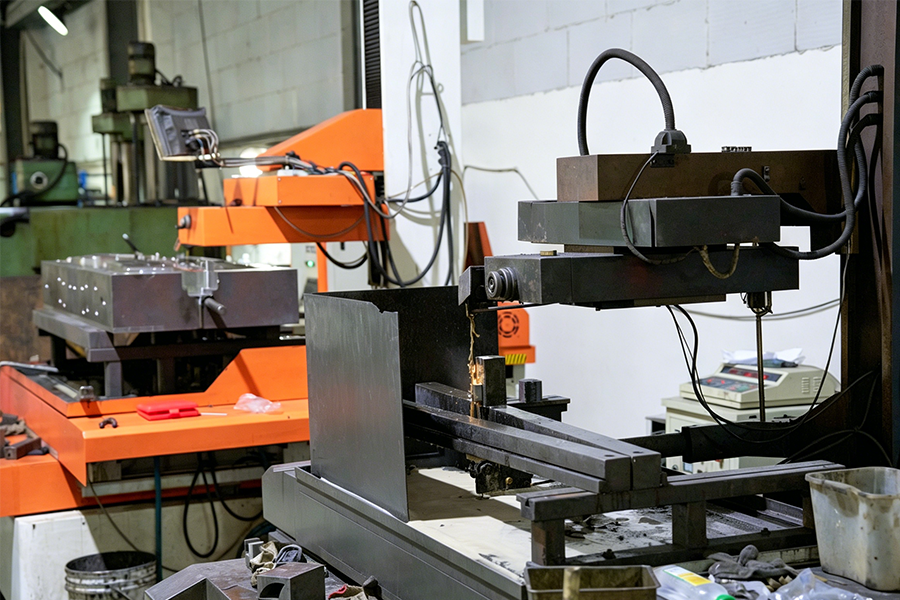
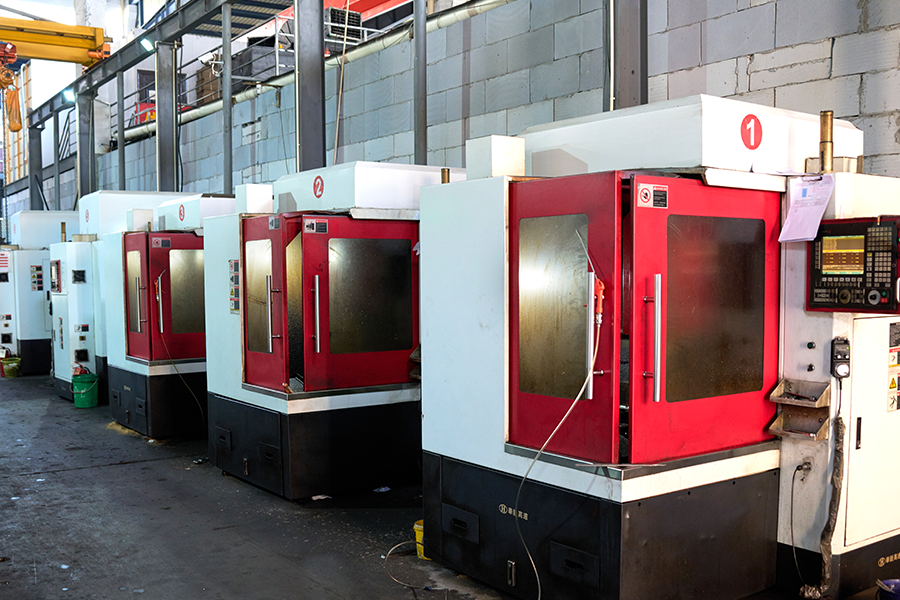
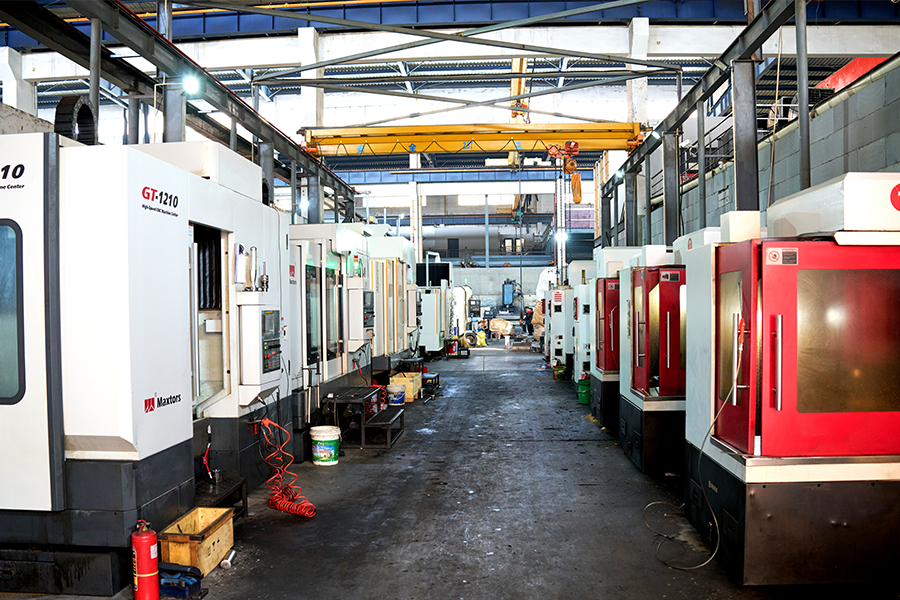
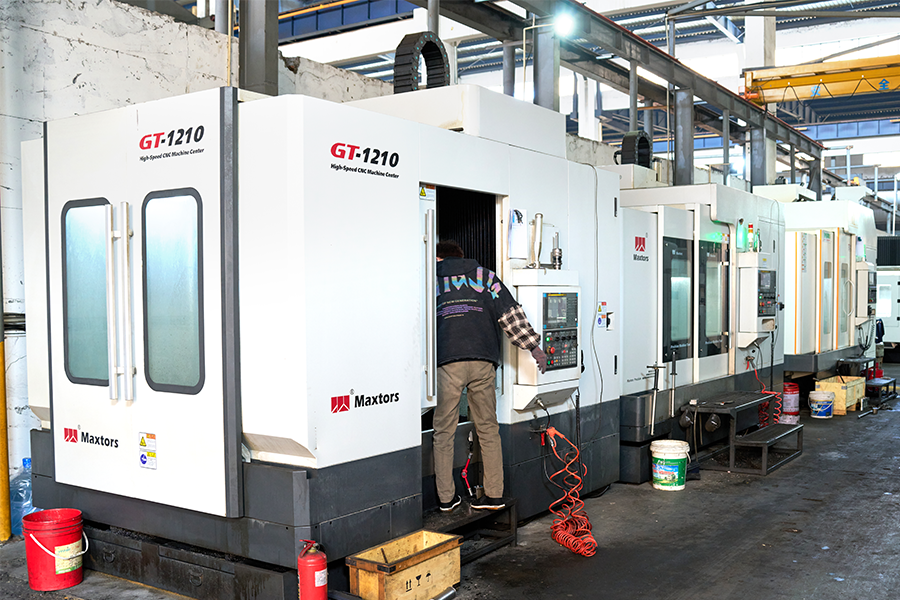
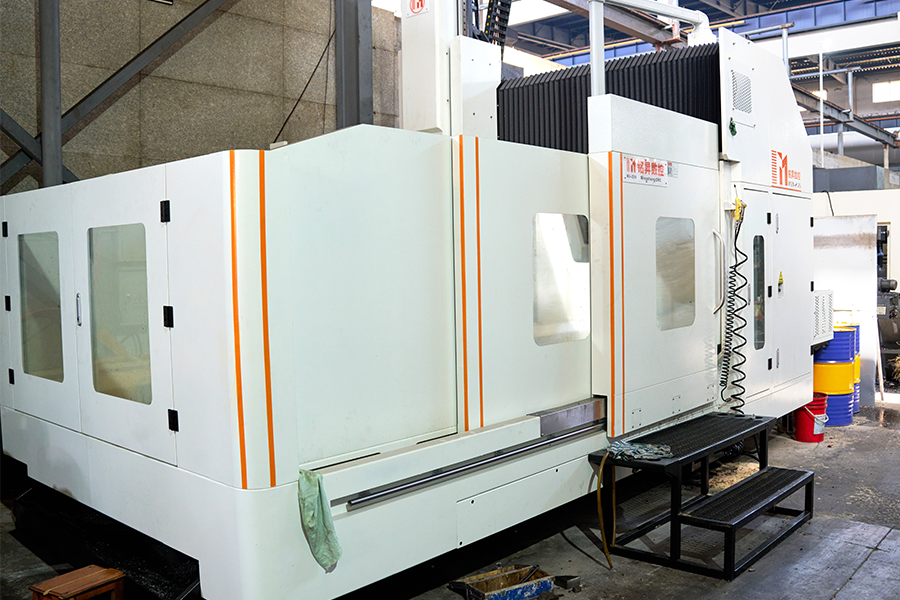
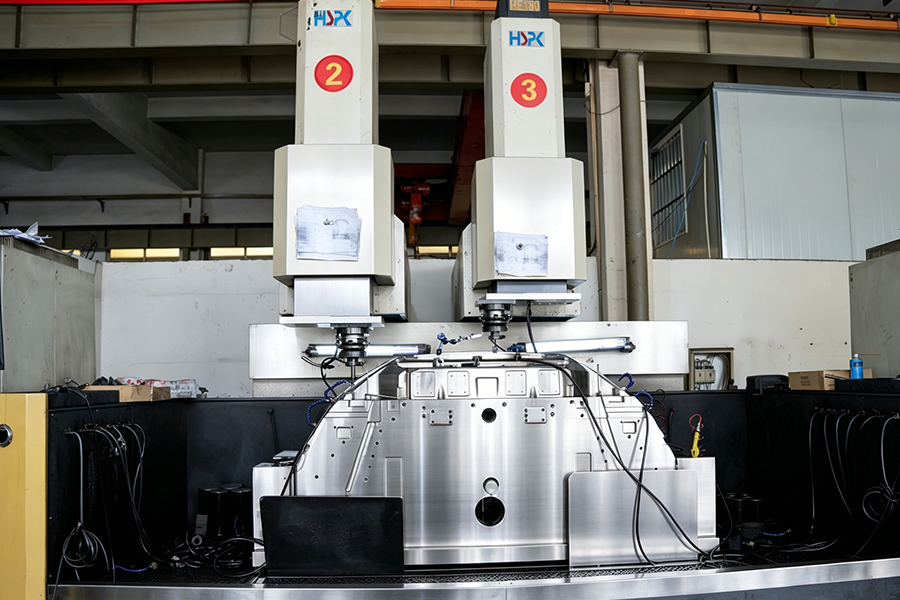
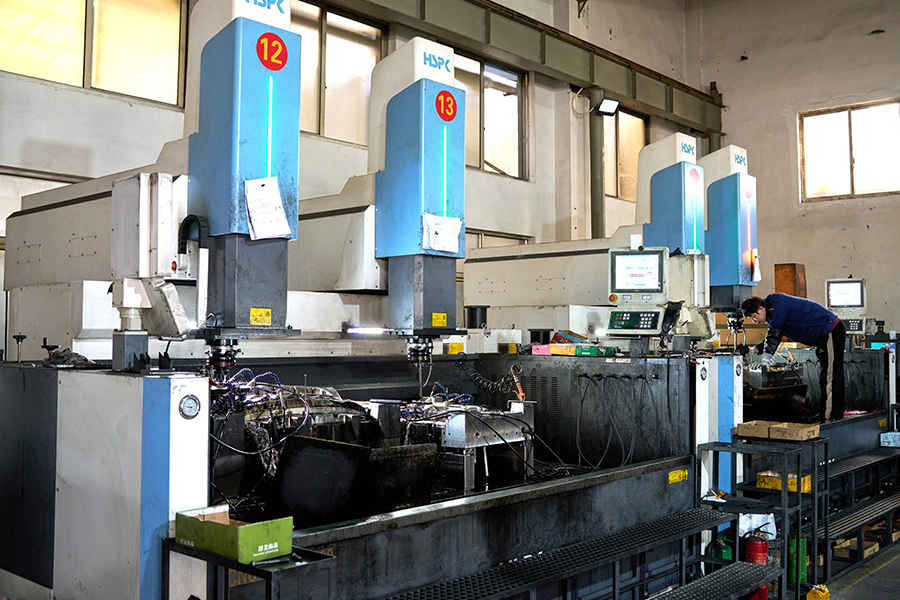
Smart Factory & Intelligent Mould Manufacturing
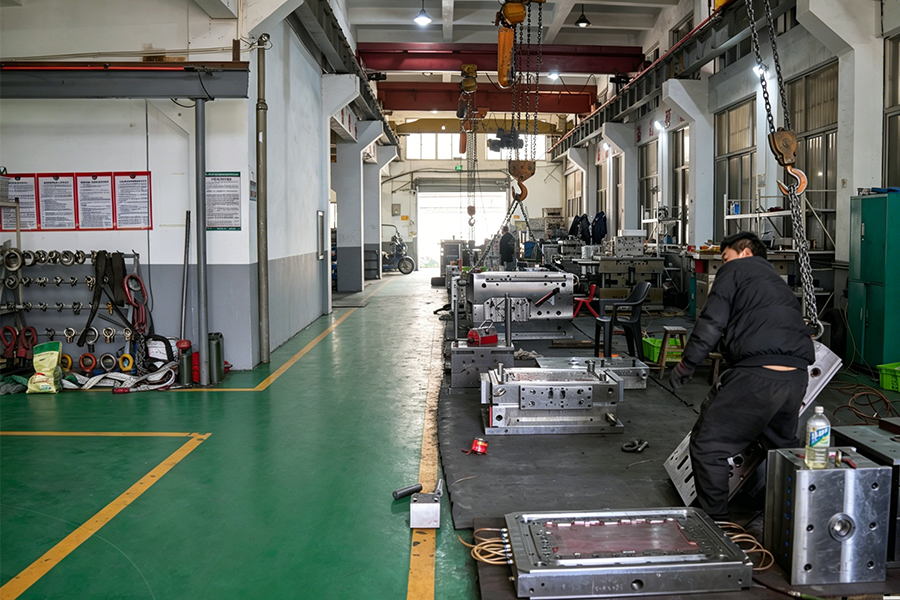
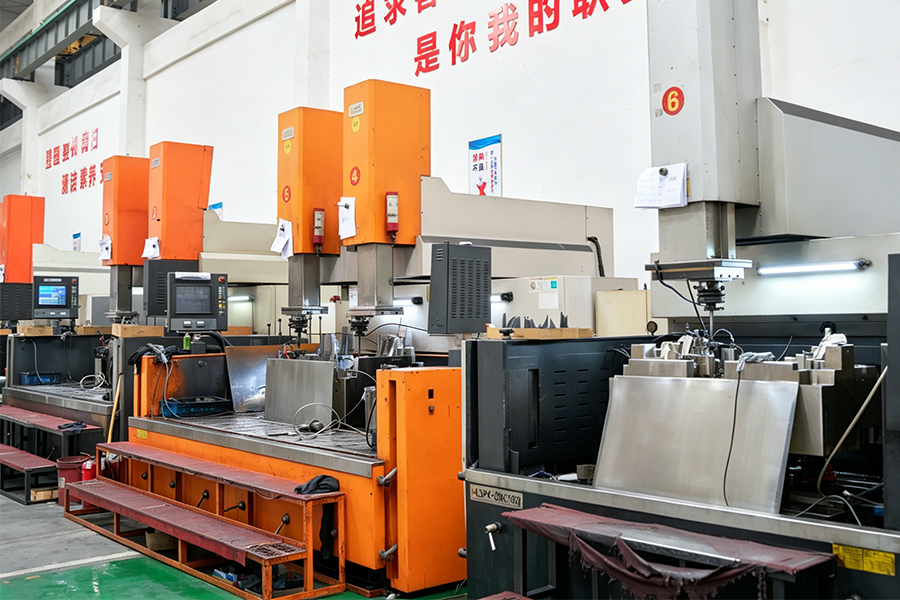
Hongya Mould will continue advancing its smart factory initiatives, driving the evolution of mould production toward greater efficiency and intelligence, thereby setting new benchmarks for the industry. We will constantly enhance our competitiveness and provide our customers with more innovative and reliable solutions.