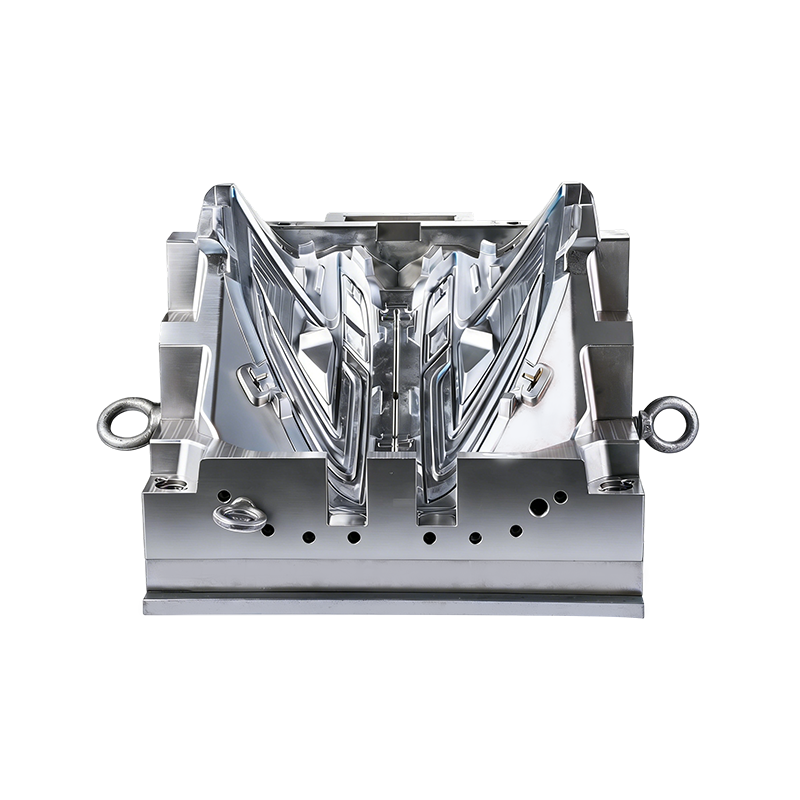
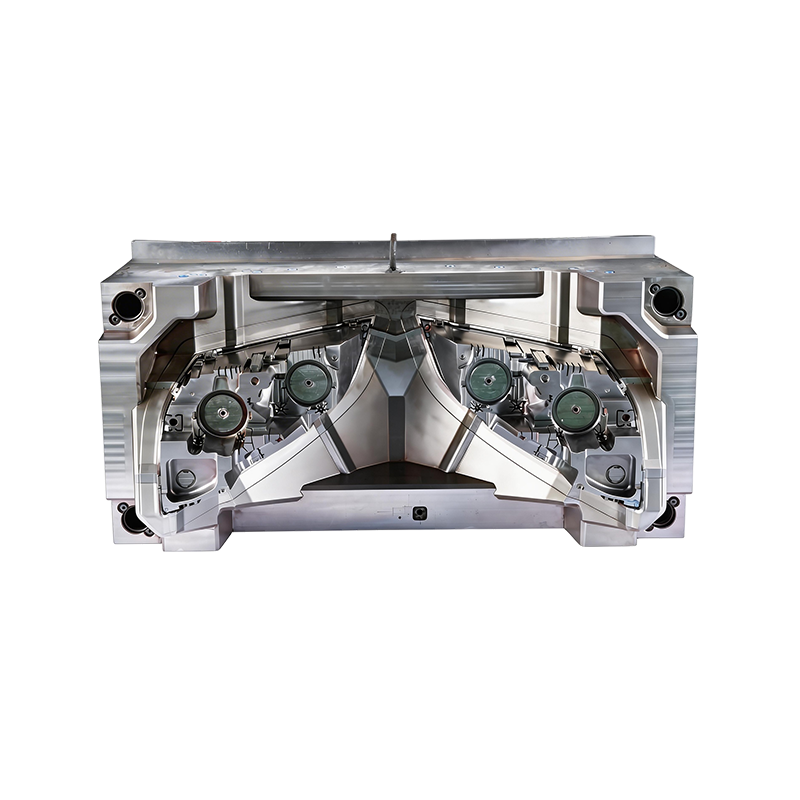
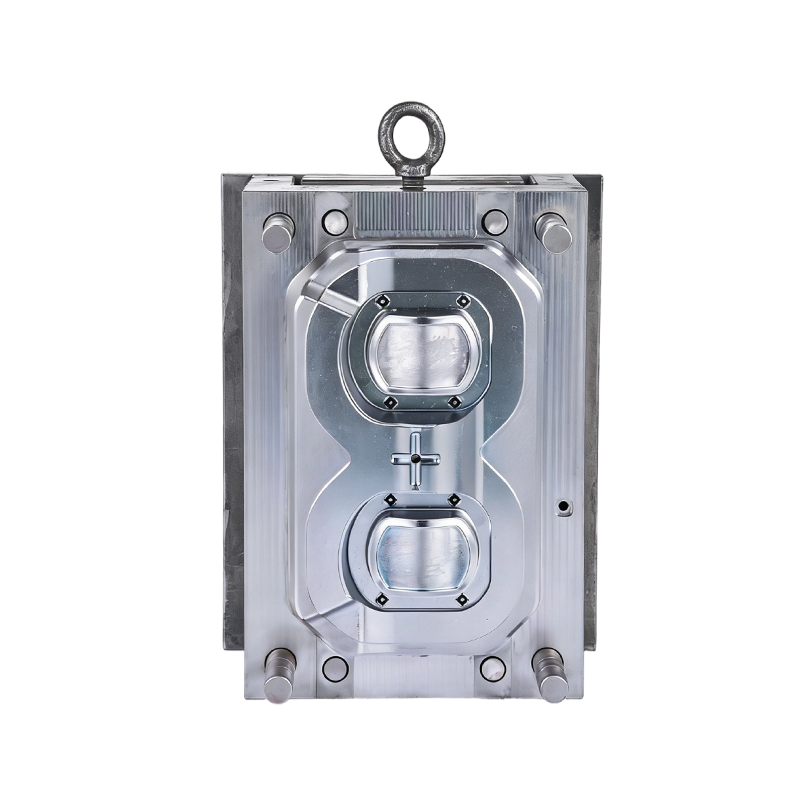
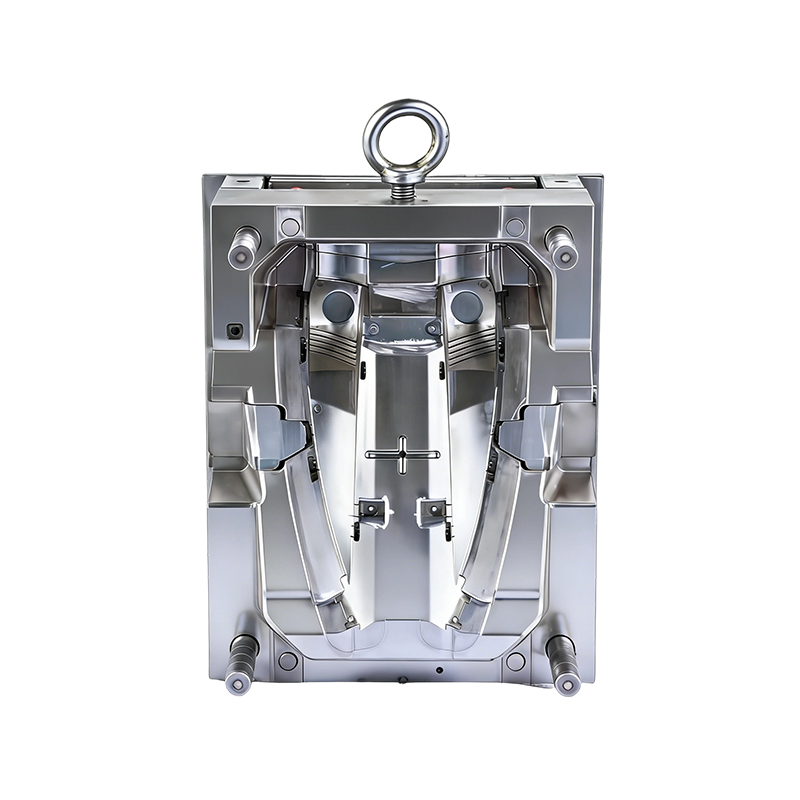
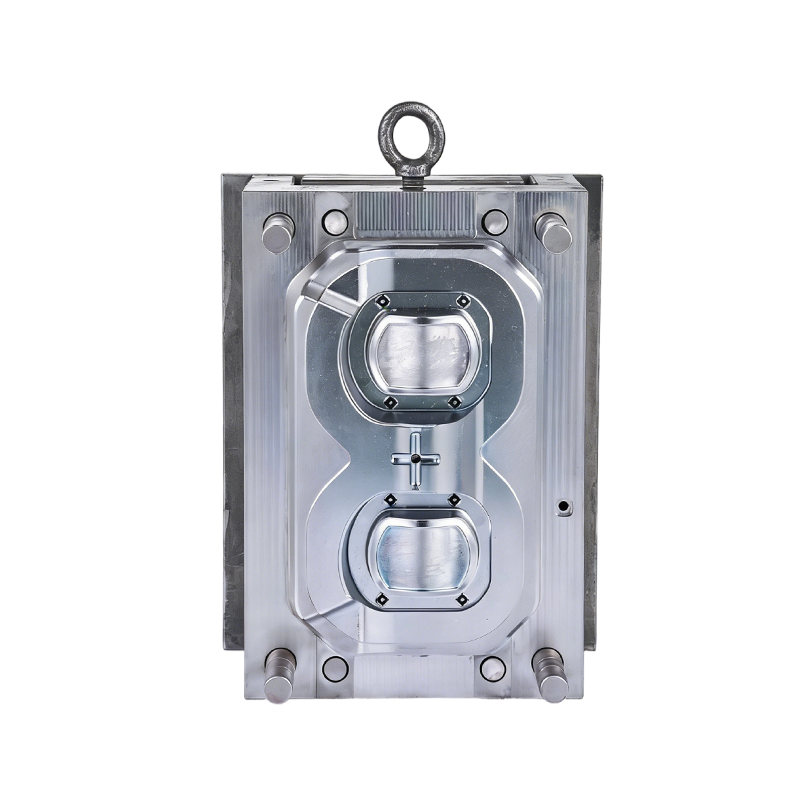
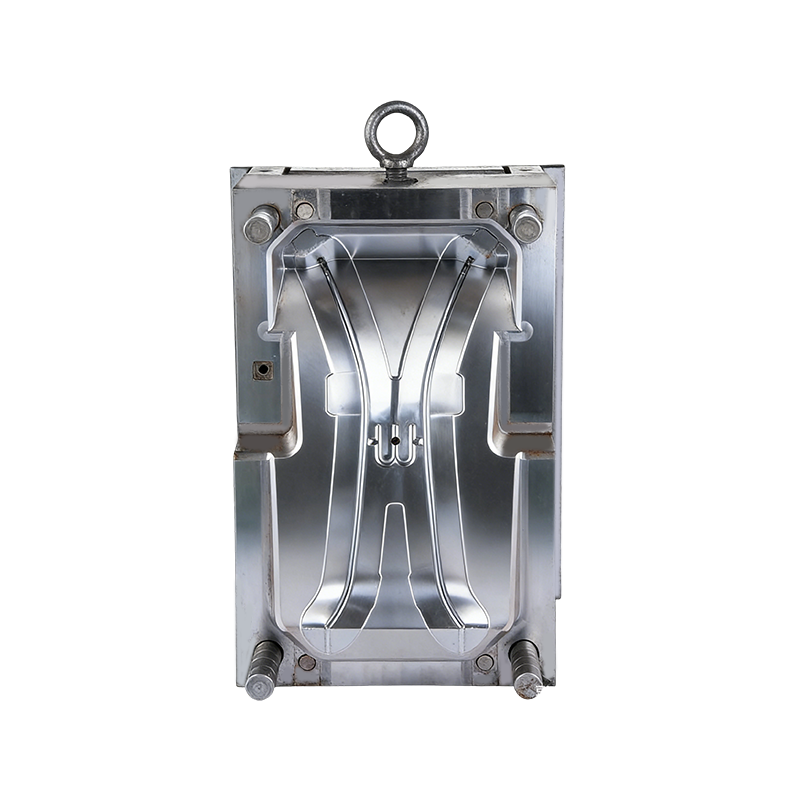
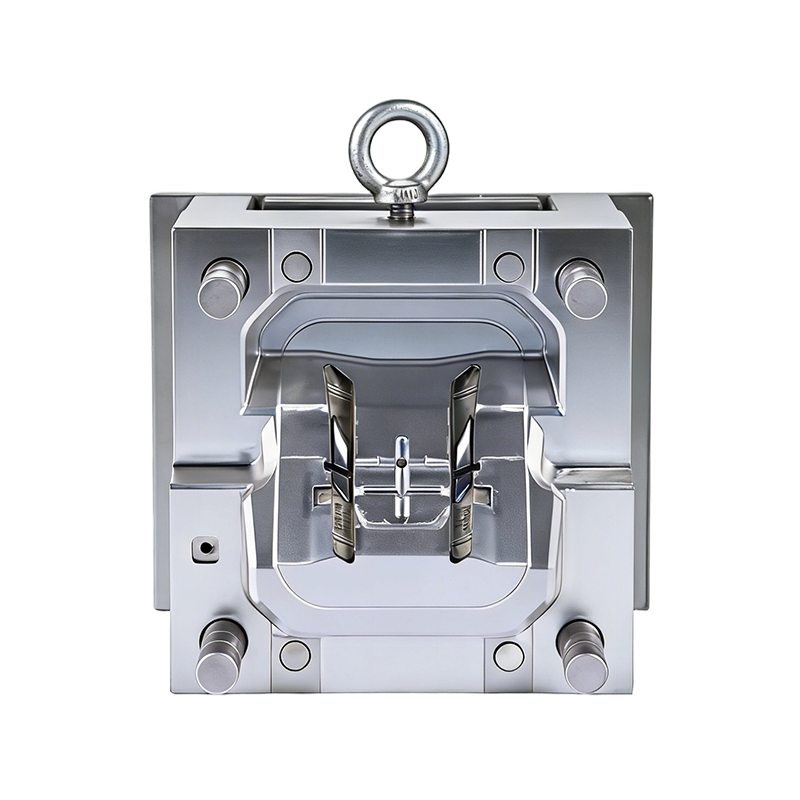
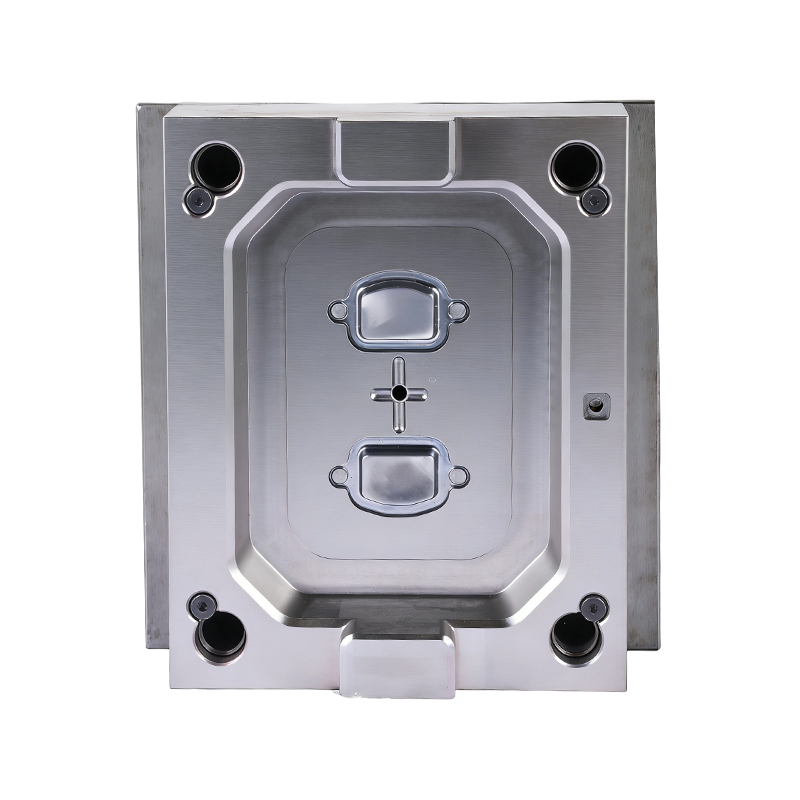
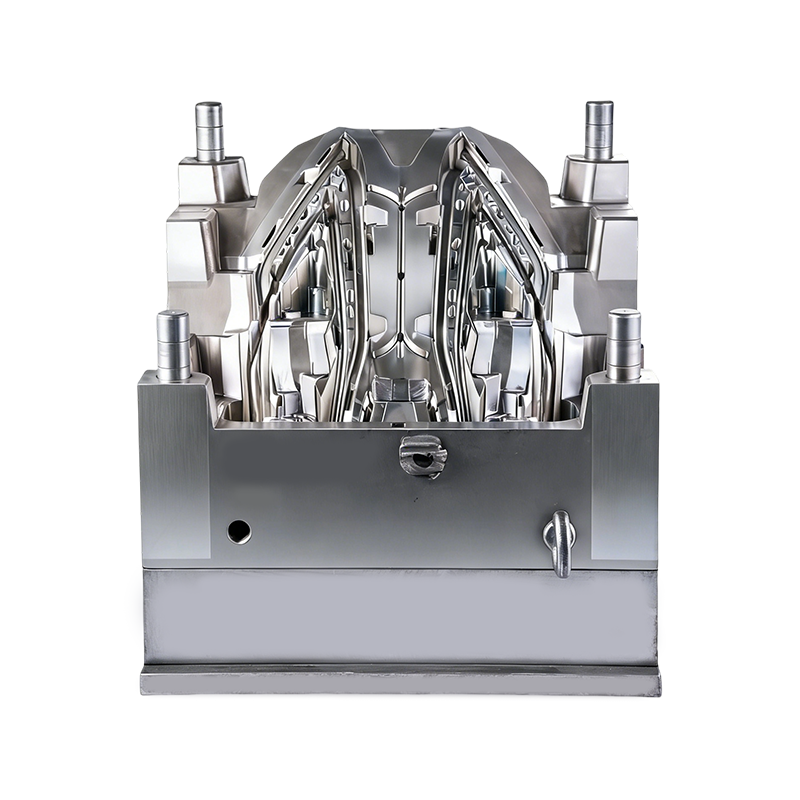
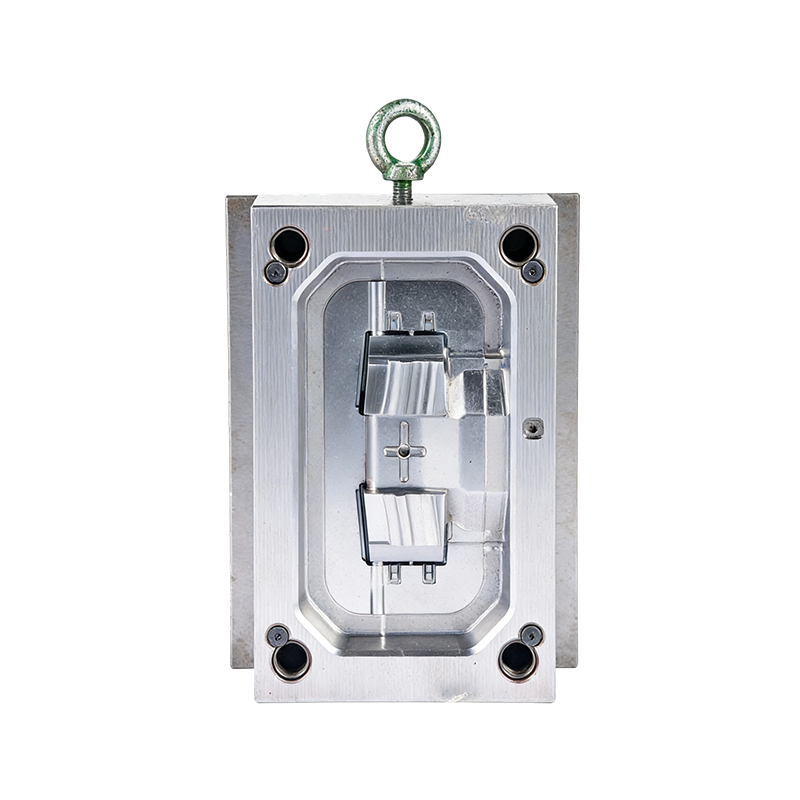
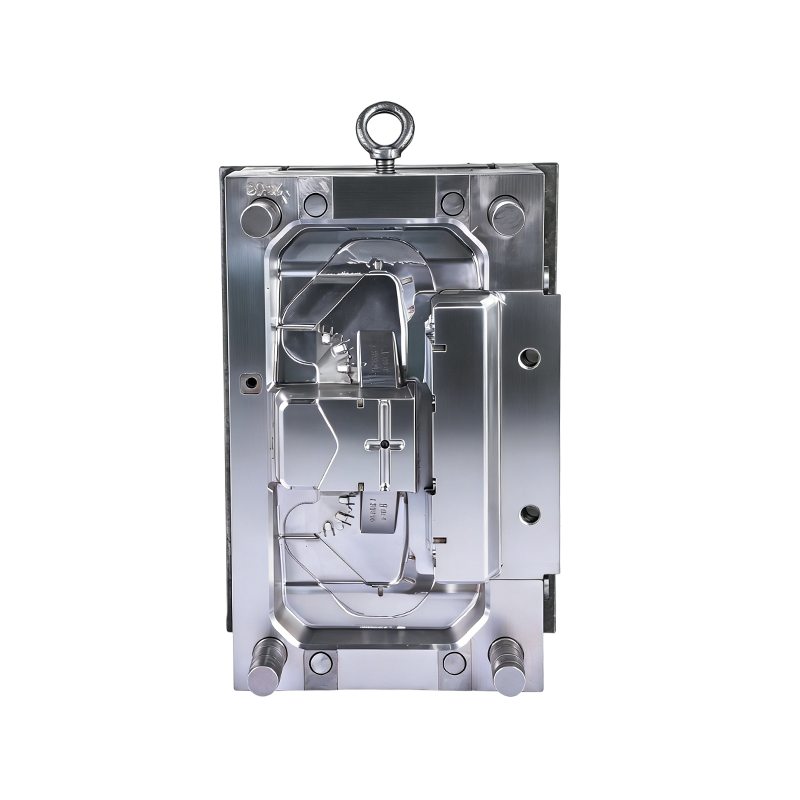
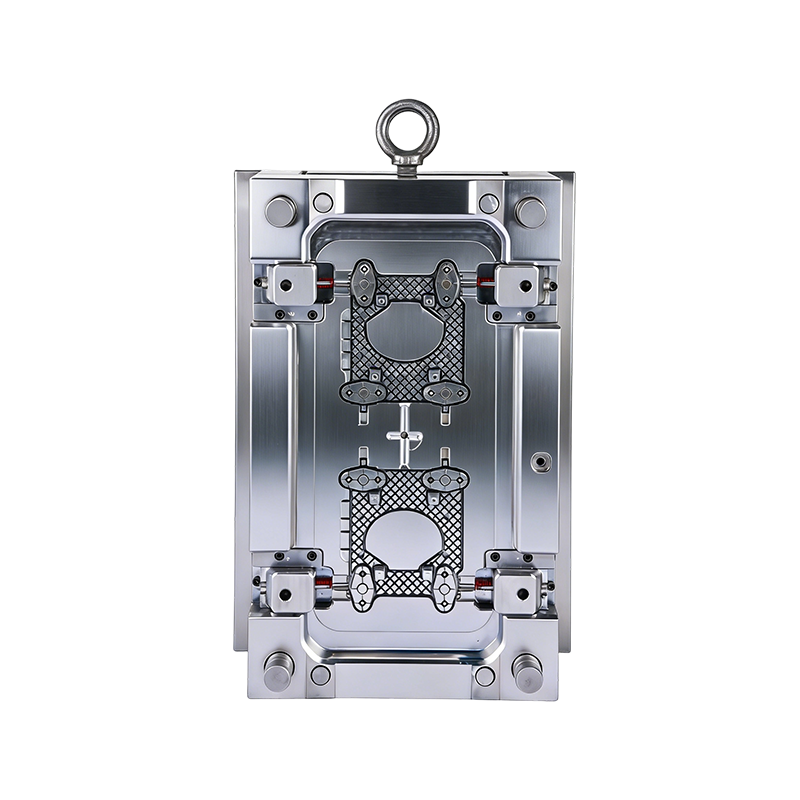
Export Custom Headlamp Assembly Mold — Material and Optical Properties
What makes a headlamp mold different from any other automotive mold?
A headlamp mold must produce parts that are simultaneously structural, thermal-resistant, and optically clear. Screw up any one of those three, and the entire assembly fails compliance testing.
Material selection for reflector cavities
The reflector cavity — the curved shell behind the bulb — faces extreme heat. A halogen bulb runs at roughly 200 degrees Celsius at the reflector surface. An LED array runs cooler but concentrates heat in smaller spots. For this reason, most Western specifications demand DIN 1.2343 (AISI H11) or DIN 1.2344 (AISI H13) hot-work tool steel. These grades harden to 48–52 HRC and resist heat checking across hundreds of thousands of thermal cycles. One European Tier 1 supplier runs H13 cavities for 1.2 million shots before seeing any surface degradation.
But hardness alone is not enough. The reflector surface must achieve a SPI-A1 diamond polish — the highest grade, with no visible scratches under 20x magnification. Any micro-scratch will scatter light instead of reflecting it, killing the beam pattern. Achieving and maintaining that polish requires steel with minimal non-metallic inclusions. That is why many export molds switch to Stavax ESR (electroslag remelted) or M340 stainless steel. These grades polish to a mirror finish more reliably than standard H13.
Material choice for the lens cavity
The lens — the transparent front cover — presents a completely different set of requirements. Most headlamp lenses are molded from polycarbonate (PC) , which demands a cavity surface that is both mirror-smooth and corrosion-resistant. Polycarbonate outgasses under heat, and those gasses can stain uncoated steel. For this reason, export-quality lens cavities frequently use stainless steel grades like S136H or M340 hardened to 48–50 HRC. After 80,000 shots, the cavity surface showed pitting from PC outgassing, and every lens came out with a cloudy haze. Switching to S136H eliminated the problem entirely.
Optical performance requirements
The optical properties of an export headlamp mold go far beyond surface finish.
-
- First, reflectivity retention. The mold must produce reflector surfaces that maintain at least 85 percent specular reflectivity after 500 hours of thermal cycling. That is measured using a goniophotometer — no guessing allowed.
- Second, lens clarity. The mold must produce lenses with less than 2 percent haze and 92 percent total light transmission. Any lower, and the headlamp fails FMVSS 108 or ECE R112 certification.
- Third, draft angle consistency. Optical simulations assume a specific draft angle — usually 3 to 5 degrees on reflectors. If the mold produces parts with inconsistent draft due to core shift or uneven cooling, the beam pattern will tilt upward on one side. That is an automatic DOT or ECE rejection.
A real-world comparison
Mold A used standard H13 with conventional polish. Mold B used Stavax ESR with a diamond-turned finish. Both ran the same PC lens material. Mold A produced acceptable lenses for 120,000 cycles before haze exceeded 3 percent. Mold B ran 480,000 cycles and still held below 2 percent haze. The upfront cost difference was 28 percent. The lifetime cost per good part was 41 percent lower on Mold B.
Customized Plastic Mold for Customers — Design Standards and Export Specifications
What documentation does a Western buyer expect before releasing payment?
When a shop in Ohio or France orders a customized plastic mold for customers, they are not buying a block of steel with cavities. They are buying a compliance package. Missing any single document can hold the mold at customs for weeks or trigger a chargeback. Below is what experienced exporters include in every shipment.
|
Design Standard / Export Specification
|
What It Requires
|
Why Western Buyers Insist On It
|
Common Mistake Exporters Make
|
|
DME / HASCO / FUTABA component standards
|
Ejector pins, sprue bushings, guide pillars, and return pins must match Western-branded catalogs
|
Replacement parts must be available from local suppliers within 24 hours
|
Using off-brand or locally machined components that do not fit standard catalogs
|
|
SPI mold finish classes
|
Cavity and core surfaces graded from SPI-A1 (diamond polish) to SPI-D3 (dry blast)
|
Provides a measurable, repeatable surface finish specification
|
Writing "high polish" in the quote instead of an actual SPI class number
|
|
Venting depth specifications
|
Vents must be cut to depths of 0.02–0.05 mm depending on material viscosity
|
Prevents burn marks and incomplete fills without creating flash
|
Cutting vents too deep (0.08 mm+) which causes fuzzy flash on PP or ABS
|
|
Hardness certification (3.1 per EN 10204)
|
Each steel block requires a traceable test report showing actual composition and heat treatment results
|
Ensures the mold will not soften or wear prematurely
|
Providing a generic mill certificate instead of a lot-specific 3.1 report
|
|
Water line connection standards
|
Fittings must match buyer's location — NPT for North America, BSPT or parallel thread for Europe, JIS for Japan
|
Avoids leaks and cross-threading during installation
|
Shipping a mold with mixed fitting types or no fittings at all
|
|
Electrical and sensor documentation
|
If the mold includes thermocouples, pressure sensors, or hot runner controllers, wiring diagrams and component datasheets must be included
|
Allows maintenance technicians to troubleshoot without reverse-engineering
|
Leaving the wiring unlabeled or using non-standard connector colors
|
|
First article inspection report (FAIR)
|
Dimensional measurement of up to 100 critical features with CMM data and tolerance deviations
|
Proves the mold produces parts within the agreed print before shipment
|
Sending a report with "OK" written in margins instead of actual measured values
|
|
Material safety data sheets (MSDS) for mold maintenance
|
Any release agents, corrosion preventatives, or cleaning solvents shipped with the mold must have MSDS in the destination country's language
|
Satisfies OSHA (US) or HSE (UK) workplace safety regulations
|
Shipping the mold with residue of an uncleaned release agent that is banned in the destination country
|
The takeaway for cross-border mold sales
Design standards and export specifications are not bureaucratic hurdles. They are the shared language that allows a mold built in Ho Chi Minh City to run on a press in Ohio on the same day it arrives. An exporter who treats the compliance package as seriously as the steel selection will win repeat business. An exporter who cuts corners on documentation will win exactly one order.


 English
  عربى
عربى