


 English
  عربى
عربى 


Industry News
Automotive Lamp Mold: Precision Tooling for Light
2026-06-05
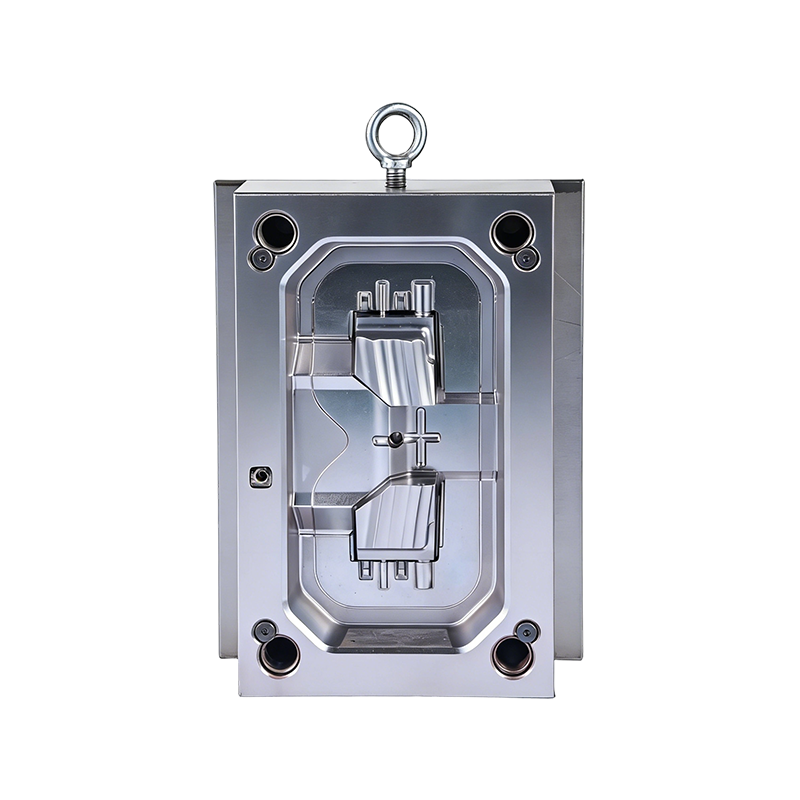
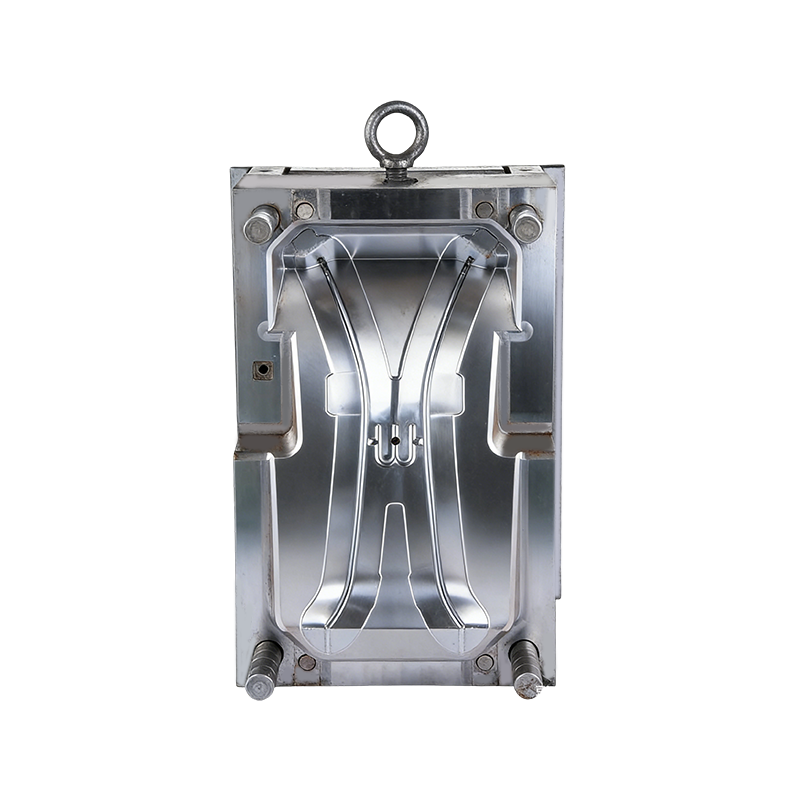
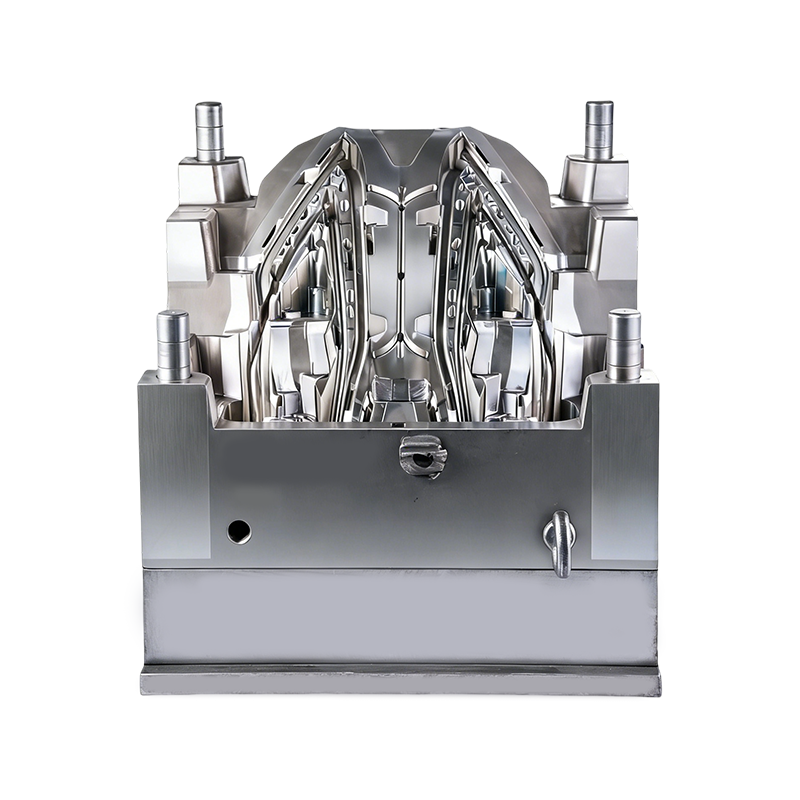
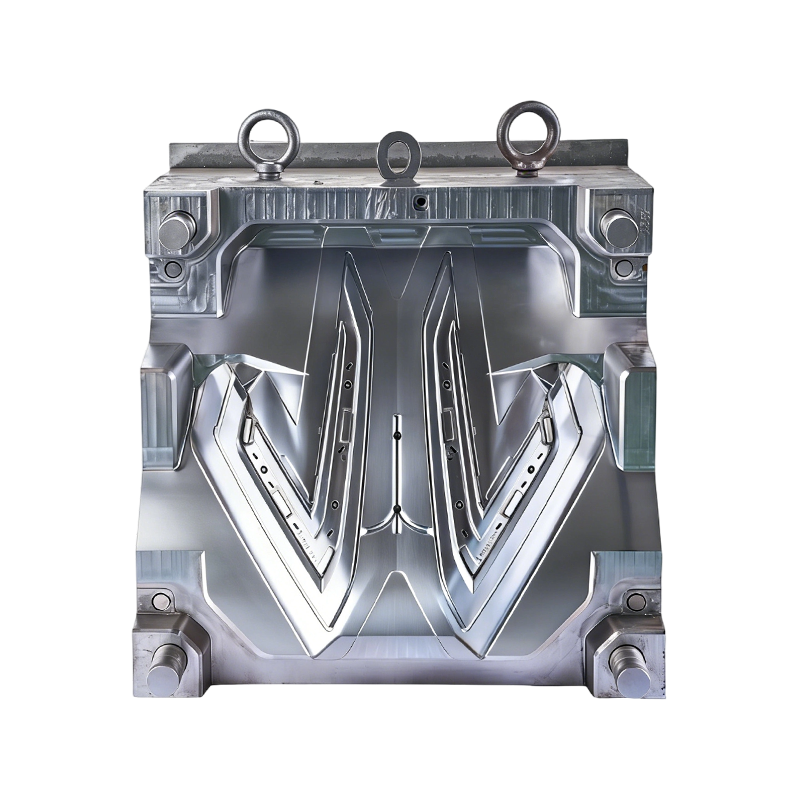
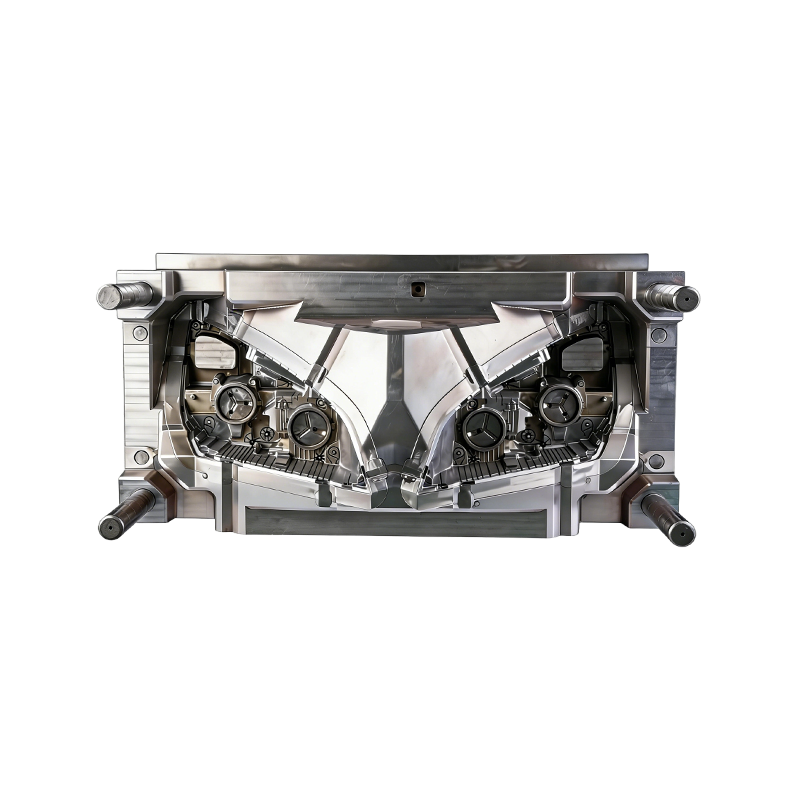
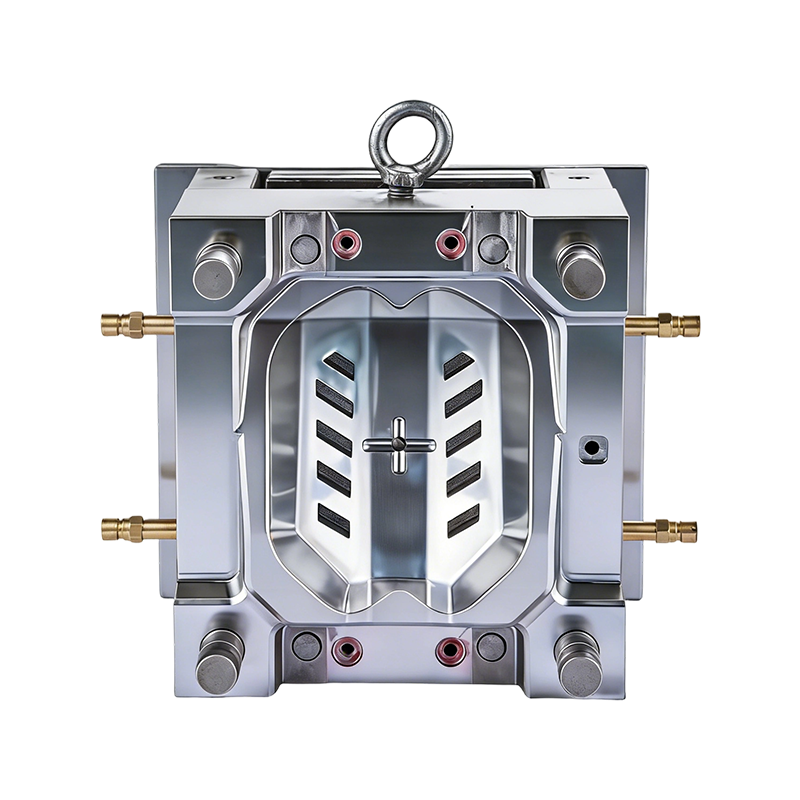
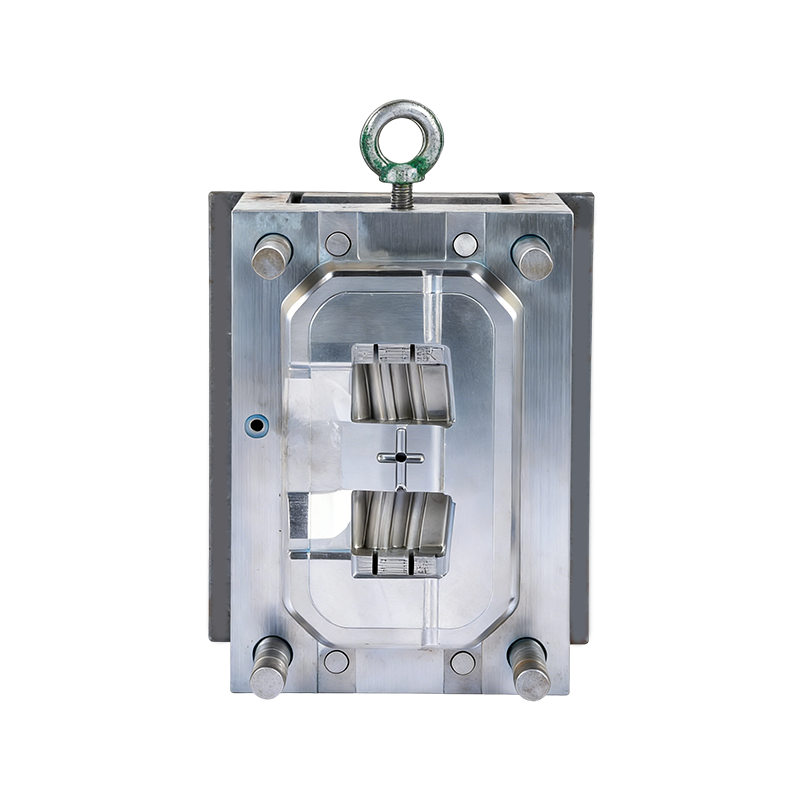
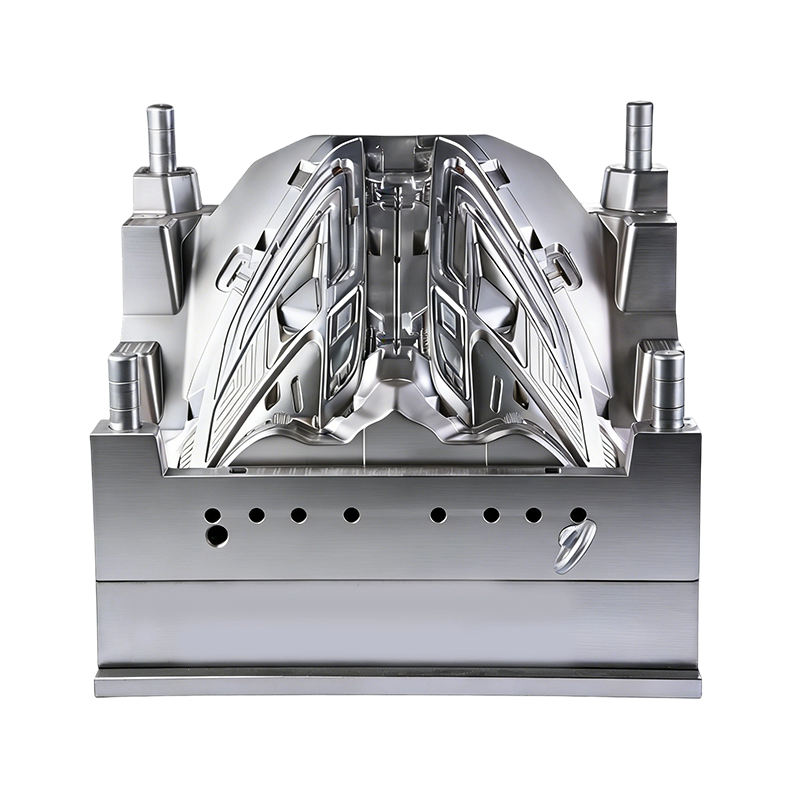
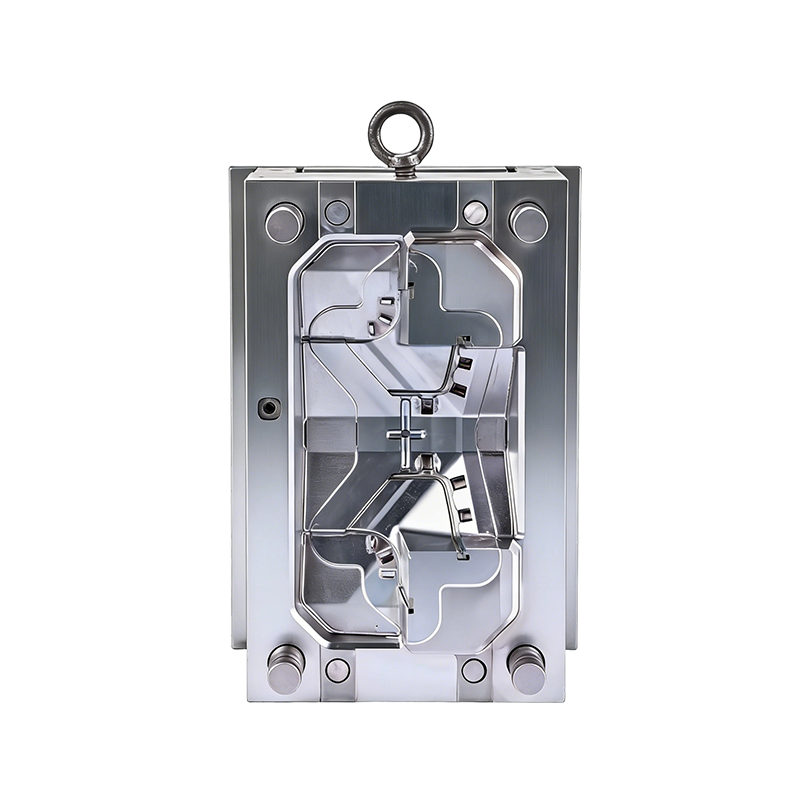
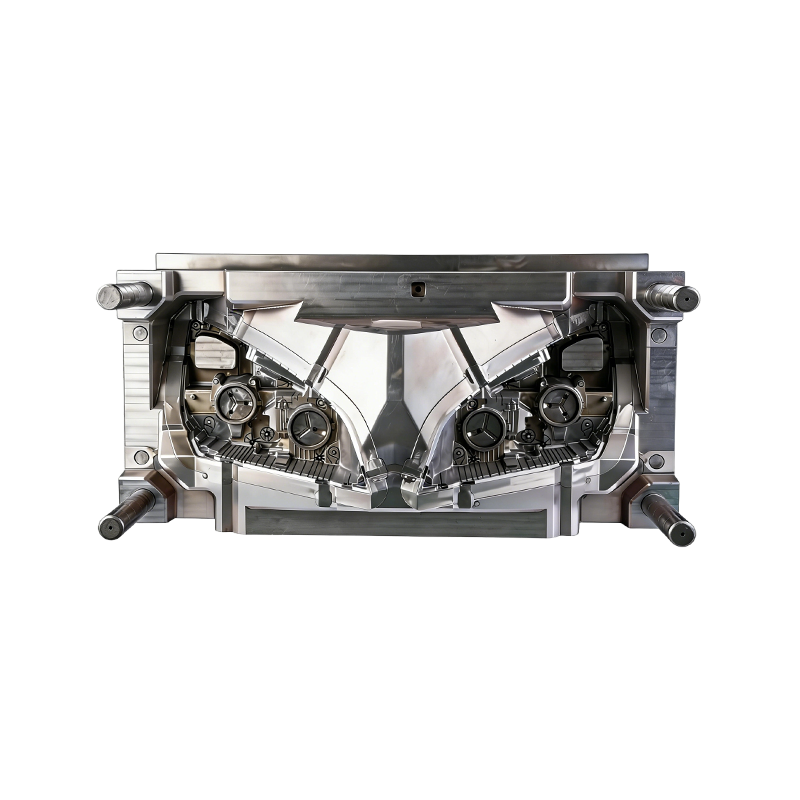
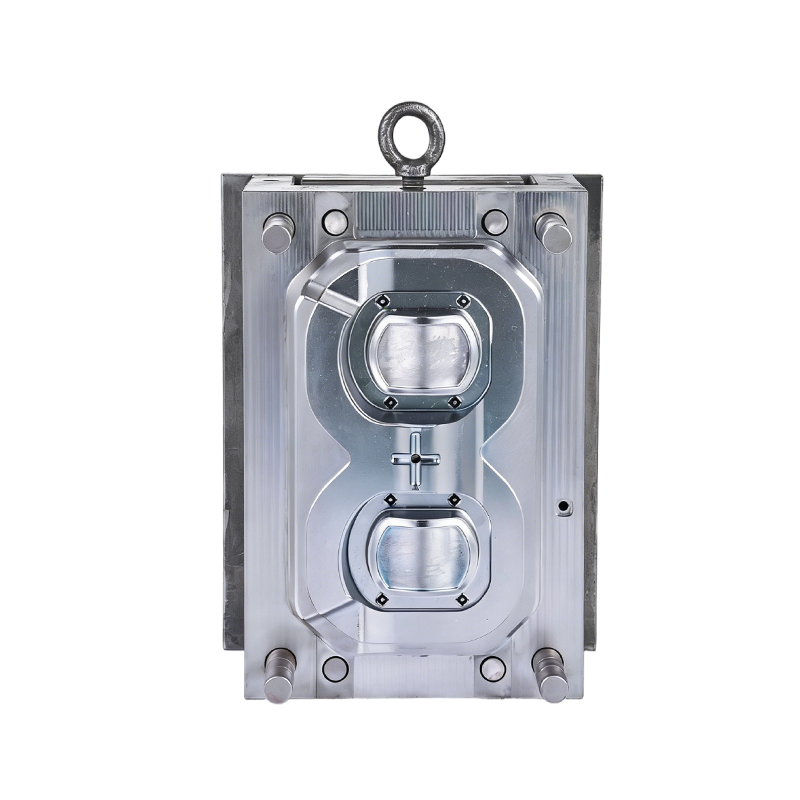
A car tail light or headlamp is not just a plastic cover. It has to be clear. It has to seal against rain and car washes. It has to survive heat from the bulb and cold from winter roads. It has to look good for the life of the vehicle. An automotive lamp mold makes this possible. The mold shapes the plastic lens, the housing, and the internal reflectors. Every surface matters. Every draft angle affects how the light comes out.
What an Automotive Lamp Mold Does That Other Molds Cannot
The mold produces optical-grade surfaces that light passes through
A headlamp lens is not just clear plastic. It has prismatic patterns molded into the surface. These patterns direct the light beam. A automotive lamp mold creates these patterns with precision. The mold cavity is machined to mirror finish. Any scratch or tool mark shows up on every lens.
The plastic used is often polycarbonate or PMMA. Polycarbonate is tough. PMMA is clearer. The mold designer chooses the material and designs the gate and runner system to fill the cavity without flow marks. Flow marks in the lens distort the light beam. The car fails safety inspection.
The mold needs to produce parts that seal against moisture
A car tail light fills with condensation if the seal fails. Water inside the lamp ruins the reflector. The bulb socket corrodes. The automotive lamp mold creates the groove where the seal sits. The groove must be superbly smooth. No sink marks. No warpage.
The housing also has vent holes. Air needs to escape as the plastic fills the cavity. But water cannot enter through the vents. The mold designer places vents where they work but stay out of sight.
Here is what an automotive lamp mold must produce consistently:
- Lens with optical clarity and no flow marks or weld lines
- Reflector with smooth surfaces that direct light accurately
- Housing with sealing grooves and snap-fit features
- Vent openings that work without letting moisture in
Where Automotive Lamp Molds Get Used in Production
Headlamp molds for front lighting
Headlamps are the many demanding application. The lens needs superb clarity. The reflector needs precise geometry. A automotive lamp mold for a headlamp might cost $100,000 or more. The tooling is complex because the part is large. The mold has slides and lifters to create undercuts where the lamp mounts to the car body.
Headlamp lenses often have a clear coating applied after molding. The mold surface needs to be so smooth that the coating applies evenly. No orange peel. No haze.
Tail lamp molds for rear lighting
Tail lamps are less demanding optically. But they have more colors. Red for stop and tail. Amber for turn signals. Clear for reverse lights. A automotive lamp mold for a tail lamp might have multiple cavities, each producing a different colored part on the same machine cycle.
The challenge is sealing between colors. Overmolding is one method. Multi-shot molding is another. The mold needs to rotate or move between shots. Expensive tooling. High precision.
What Makes a Good Automotive Lamp Mold
Steel quality determines how many parts the mold produces
Automotive production volumes are high. A popular car model might need millions of lamp assemblies. The automotive lamp mold needs to last that long. Hardened tool steel is required. H13 or similar grades. The steel is heat-treated to 48-52 HRC. Hard enough to resist wear. Tough enough to not crack.
Cheap molds use P20 steel. P20 is fine for low-volume production. For automotive lamps, it wears out. The optical surfaces degrade. The lens becomes hazy. The mold is scrap.
Cooling channel placement controls cycle time and part quality
Plastic must cool before ejection. A automotive lamp mold for a large headlamp lens might have 60 seconds of cooling time. Reducing cooling time by 10 seconds saves money over millions of cycles.
Conformal cooling channels follow the shape of the part. Not straight drilled holes. Conformal cooling pulls heat out evenly. The part cools without warping. The mold cycles faster.
Here is how cooling affects an automotive lamp mold:
- Conformal cooling — even cooling, faster cycles, less warpage
- Straight drilled cooling — uneven cooling, longer cycles, risk of sink marks
- No cooling — impossible for automotive volumes
Surface finish determines whether the lens passes optical inspection
The lens surface needs to be clear. No tool marks. No scratches. The automotive lamp mold cavity is polished to a mirror finish. Diamond polish. Ra less than 0.025 microns. Any defect shows up on every lens.
For textured surfaces like the housing, the mold gets EDM texture or chemical etching. The texture hides scratches and gives the part a uniform appearance.
What Goes Wrong with Cheap Automotive Lamp Molds
The mold produces lenses with flow marks
Flow marks are visible swirls in the plastic. They happen when the plastic cools unevenly as it fills the cavity. A cheap automotive lamp mold has poor gate placement or undersized runners. The plastic freezes before the cavity fills. The lens looks bad. The customer rejects it.
The mold wears out before the production run ends
Soft steel wears. A cheap automotive lamp mold made from P20 steel starts losing surface finish after a few hundred thousand cycles. The lens gets hazy. The part dimensions drift. The mold is worn out. Production stops. A new mold costs as much as the original.
Venting is inadequate, causing burn marks on the part
Air trapped in the cavity gets compressed. Compressed air gets hot. Hot air burns the plastic. Burn marks appear on the part. The part is scrap. Cheap molds have poor venting. The mold designer did not account for air flow.
An automotive lamp mold is one of the more expensive molds in any factory. The steel cost is high. The machining time is long. The polishing is skilled labor. But a good mold produces millions of good parts. A cheap mold produces rejects and stops production. For automotive lighting, buy the good mold. Your production line and your customer depend on it.

- VISIT US:
- Zhuling Village, Beicheng Subdistrict, Huangyan District, Taizhou City, Zhejiang Province, China
- CONTACT US:
-
-
[email protected]

-
+86-18057683888

+86-13666493686
-
- GET IN TOUCH
Copyright ©
Zhejiang Taizhou Hongya Mould Co., Ltd.
All Rights Reserved.
 Mold Supplier And Mold Customization Manufacturer
