


 English
  عربى
عربى 


Industry News
Home Appliance Housing Molds: Shaping Plastic That Sells
2026-06-12
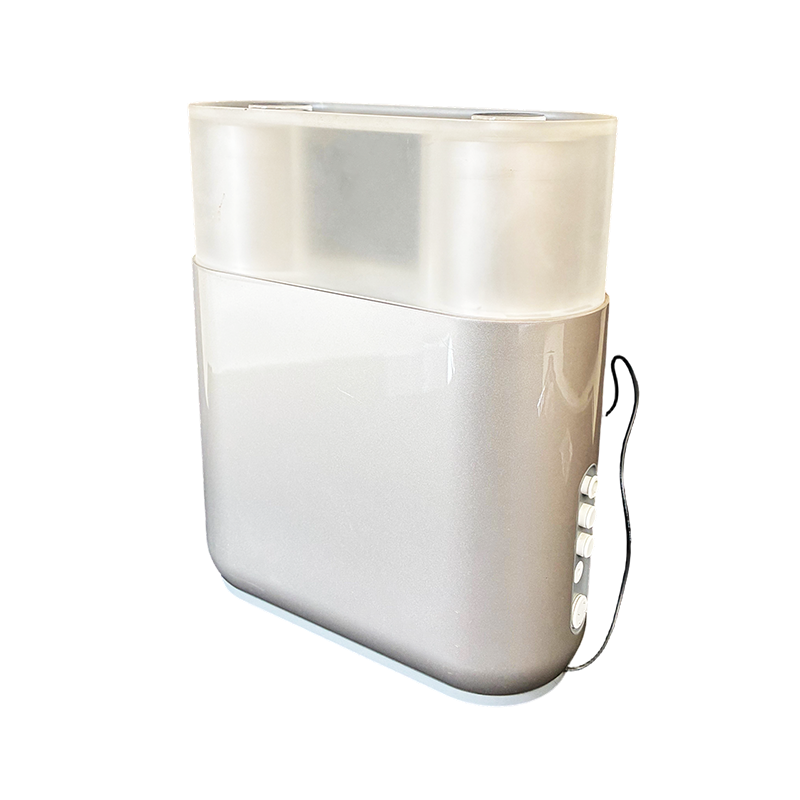
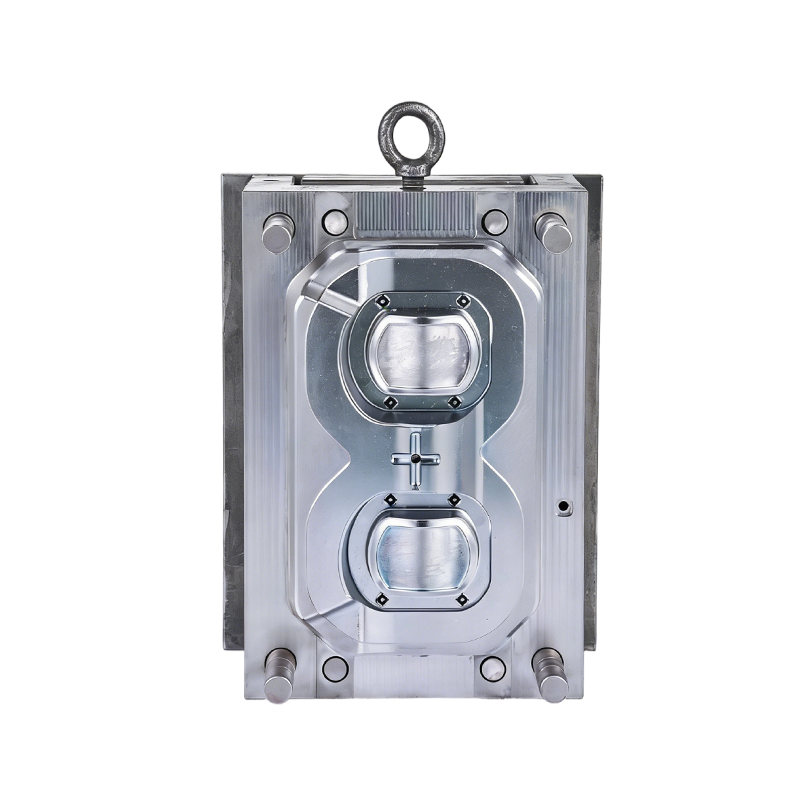
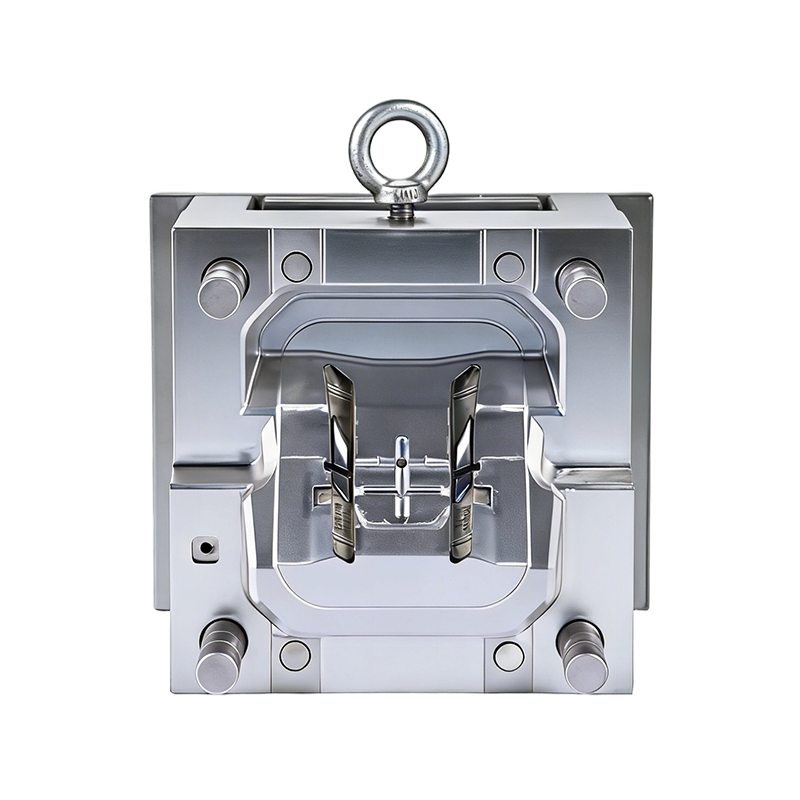
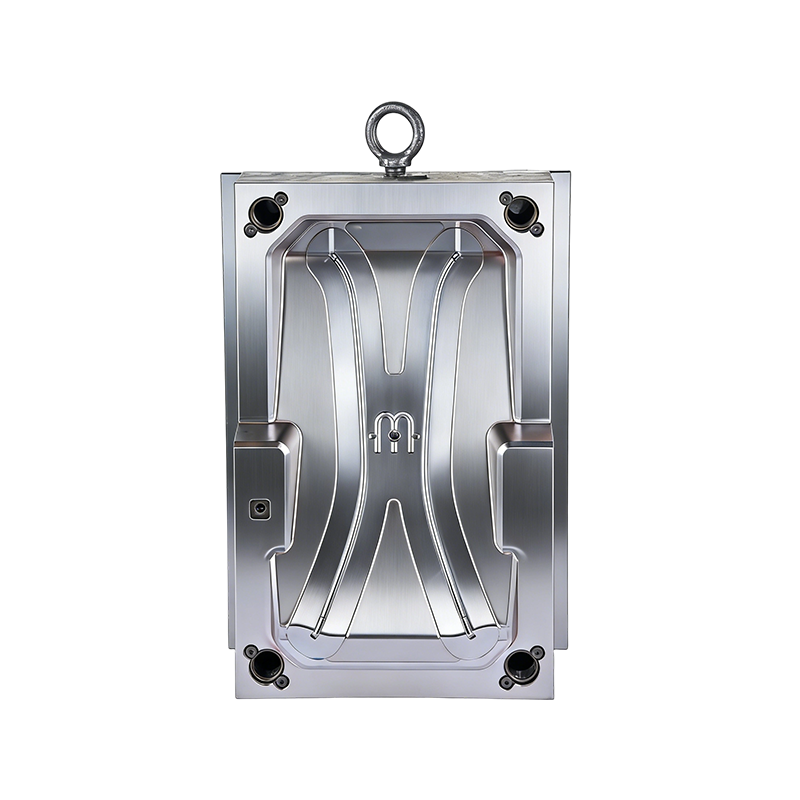
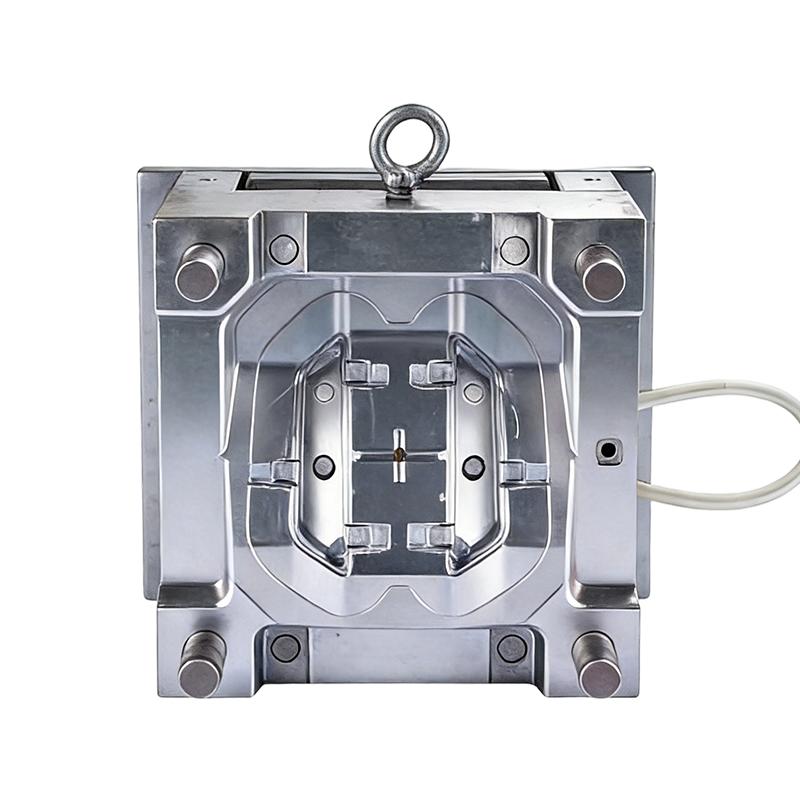
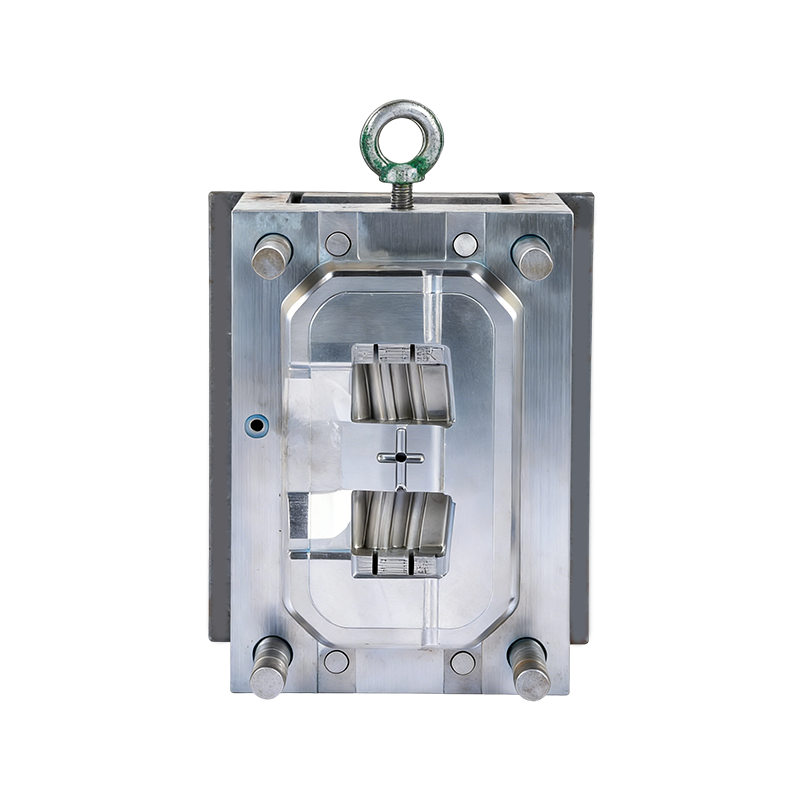
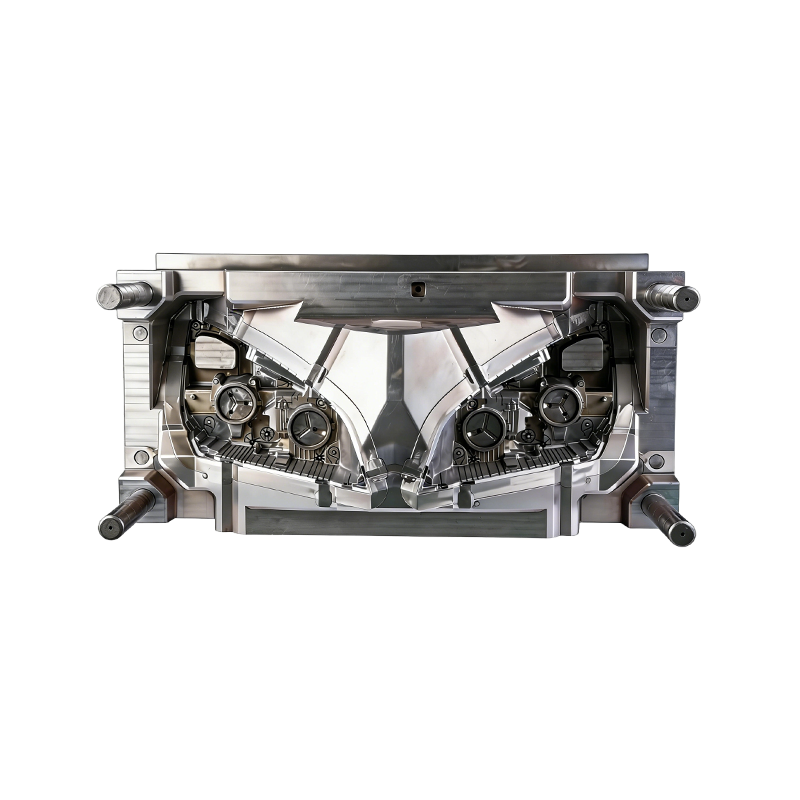
Look around your kitchen. The coffee maker. The blender. The air fryer. All have plastic housings. Those housings came from a mold. A home appliance housing mold is a steel tool that shapes molten plastic into the outer shell. The mold determines how parts fit together. It determines whether the surface looks smooth or has sink marks. It determines whether the assembly line moves fast or stops to fix warped parts.
What Home Appliance Housing Molds Do
The mold creates the outer shell that customers see and touch
An appliance housing is the first thing a customer notices. Scratches or uneven surfaces make the product look cheap. A home appliance housing mold needs to produce parts with a flawless surface. The mold cavity is polished to a mirror finish. Any scratch on the mold shows up on every single part.
The mold also creates mounting bosses, ribs, and snap features inside the housing. These hold internal components. A poorly placed boss cracks. A misaligned rib makes assembly difficult.
Cooling channels prevent warpage
Plastic shrinks as it cools. If one part of the housing cools faster than another, the part warps. A warped housing does not sit flat on the counter. It rocks. The customer returns the appliance.
A good home appliance housing mold has cooling channels machined near the cavity surface. Water circulates through them. Cooling pulls heat out evenly. The housing stays flat.
Why Appliance Housings Need Special Mold Design
Cosmetic surfaces need superb finish with no flow marks
A hidden internal part can have small defects. A housing cannot. The customer sees every flaw. A home appliance housing mold for a cosmetic part has a smooth surface finish. The gate where plastic enters is placed where the customer will not see it. Usually on the bottom or back.
Flow marks look like wavy lines on the surface. Good mold design prevents them. Wall thickness is consistent. Fill speed is balanced.
Assembly features need precise dimensions so parts snap together
The front housing snaps onto the back housing. The fit needs to be tight but not too tight. A home appliance housing mold holds tight tolerances. Plus or minus 0.05 millimeters on critical dimensions. Loose tolerances make housings rattle. Tight tolerances make them impossible to snap together.
Here is what a well-designed mold produces:
- Flat surfaces with no visible sink marks or flow lines
- Straight walls that do not bow inward or outward
- Snap features that click without breaking
- Ribs that add strength without creating sink marks on the opposite side
How These Molds Are Made
Steel selection determines how many parts the mold produces
A small appliance run might be 50,000 units. A popular blender might run 500,000 units. The home appliance housing mold needs to last the whole run. P20 steel works for short runs. Hardened H13 or S7 steel works for high volume. The steel is heat-treated to 48-52 HRC.
Cheap molds use soft steel. The cavity surface wears out. The polished finish becomes rough. The housing comes out cloudy. Scrap.
CNC machining and EDM create the cavity shape
The mold cavity is machined from a solid steel block. CNC mills cut the rough shape. Hard milling finishes the cavity. Electrical discharge machining creates sharp internal corners.
The machining process takes weeks. A complex mold might cost $50,000 to $100,000. But it produces hundreds of thousands of parts. Cost per part is pennies.
What Goes Wrong with Cheap Molds
The mold produces parts with sink marks
Sink marks are small depressions on the surface. They happen where thick sections cool slower than thin sections. A rib inside causes a sink mark outside. A home appliance housing mold with poor cooling makes sink marks worse.
The mold wears out before production ends
Soft steel wears. The cavity loses its polish. The housing comes out with a matte finish instead of glossy. The customer notices. The mold is scrap. A new mold costs as much as the original.
The housing warps and does not fit the base
Uneven cooling warps the part. The front housing does not snap onto the back. The assembly line stops. Workers force parts together. Plastic cracks. Units go to the scrap bin.
A home appliance housing mold is expensive. But bad molds cost more. They produce warped parts and sink marks. They wear out early. Assembly lines slow down. Customers return products. Buy a mold from a shop that uses hardened steel, precise cooling, and careful polishing. Your production line will thank you. The upfront cost hurts once. Bad parts hurt forever.

- VISIT US:
- Zhuling Village, Beicheng Subdistrict, Huangyan District, Taizhou City, Zhejiang Province, China
- CONTACT US:
-
-
[email protected]

-
+86-18057683888

+86-13666493686
-
- GET IN TOUCH
Copyright ©
Zhejiang Taizhou Hongya Mould Co., Ltd.
All Rights Reserved.
 Mold Supplier And Mold Customization Manufacturer
