


 English
  عربى
عربى 


Industry News
China Mold Manufacturing Process: How an Injection Mold Gets Built
2026-09-04
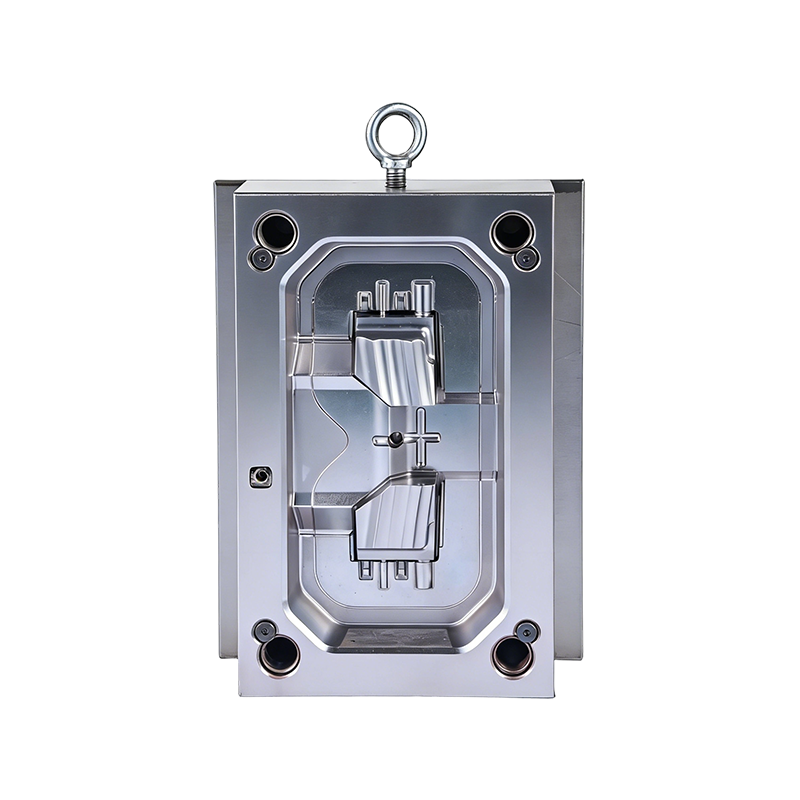
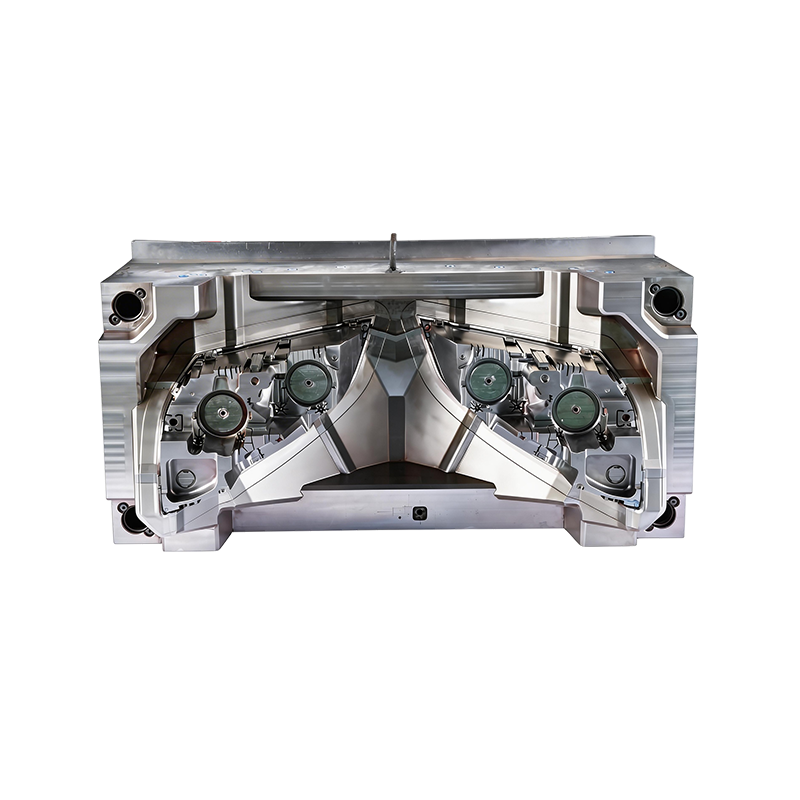
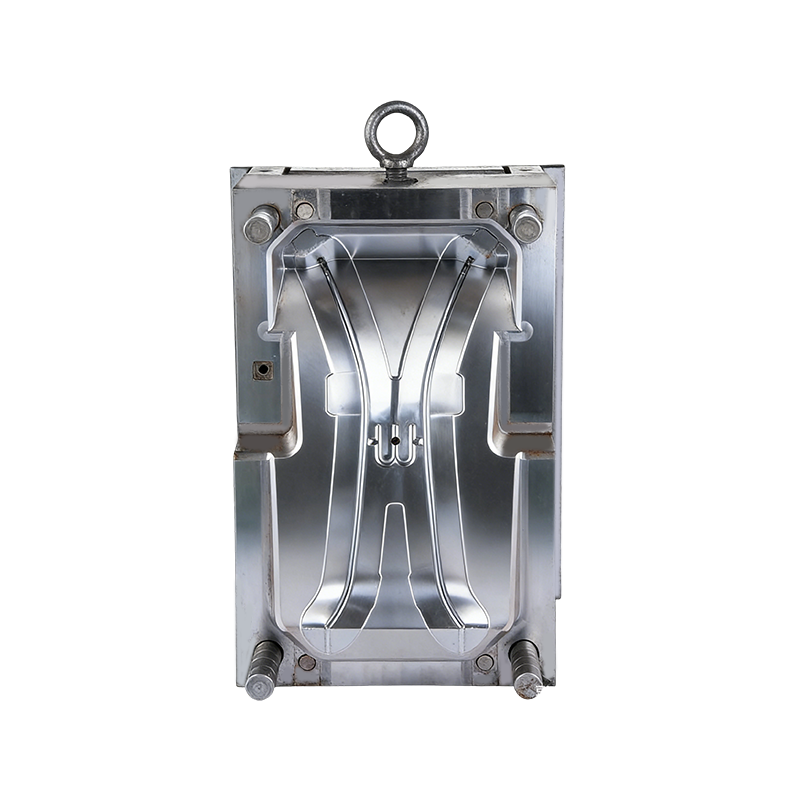
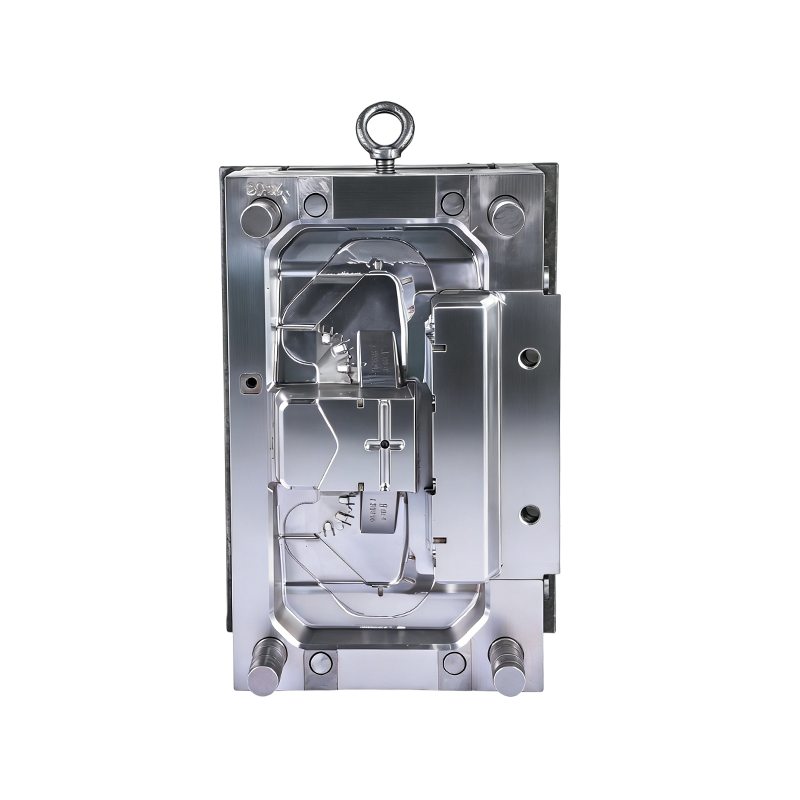
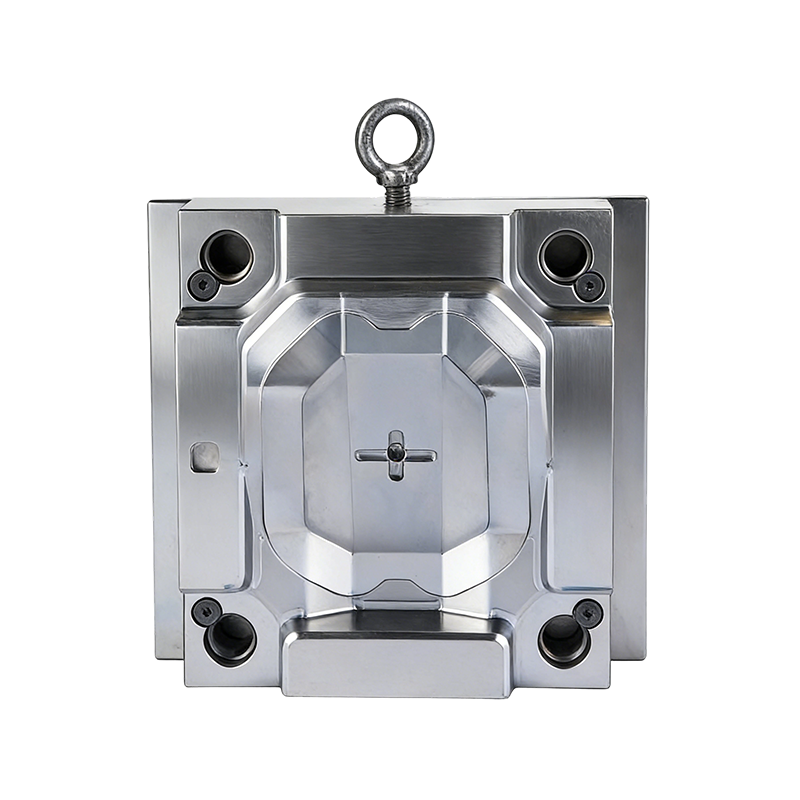
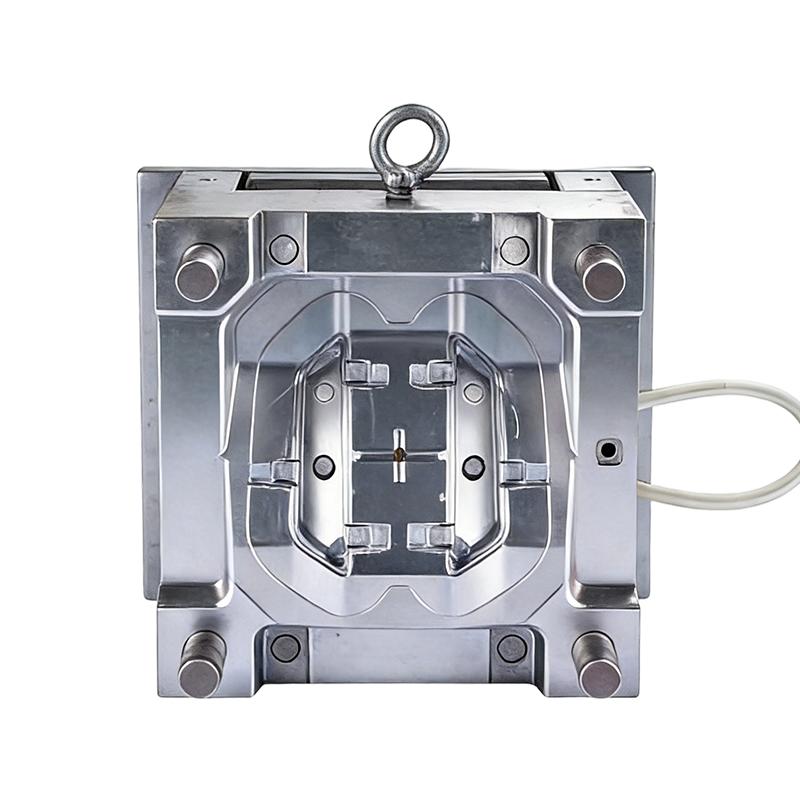
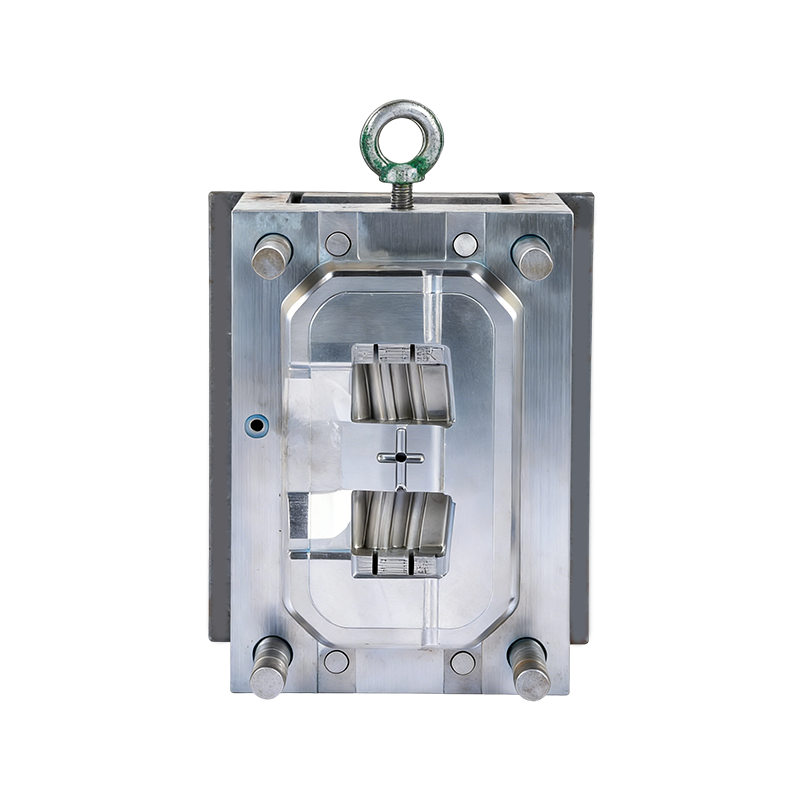
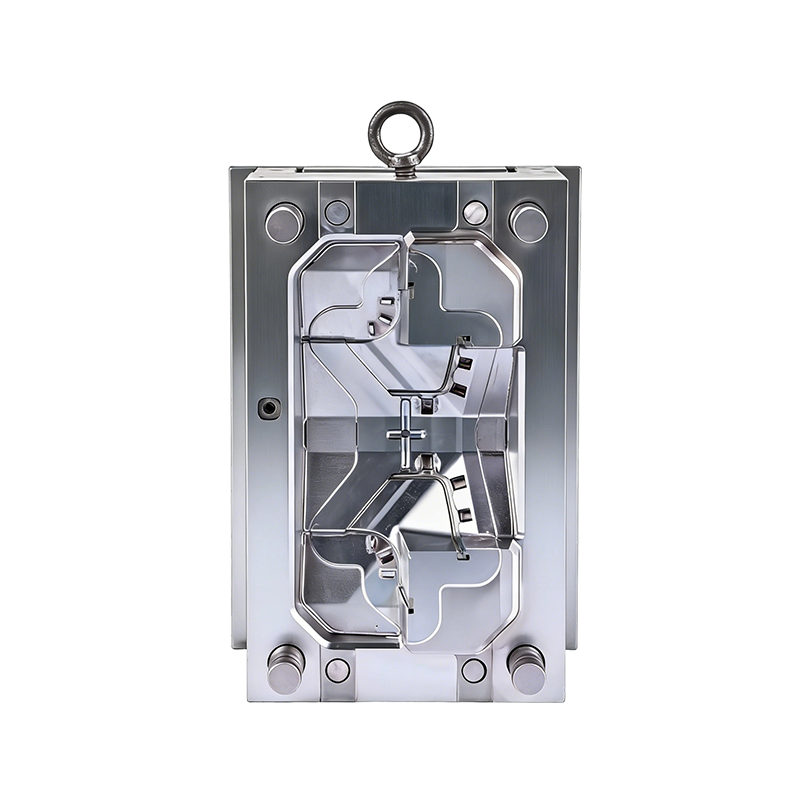
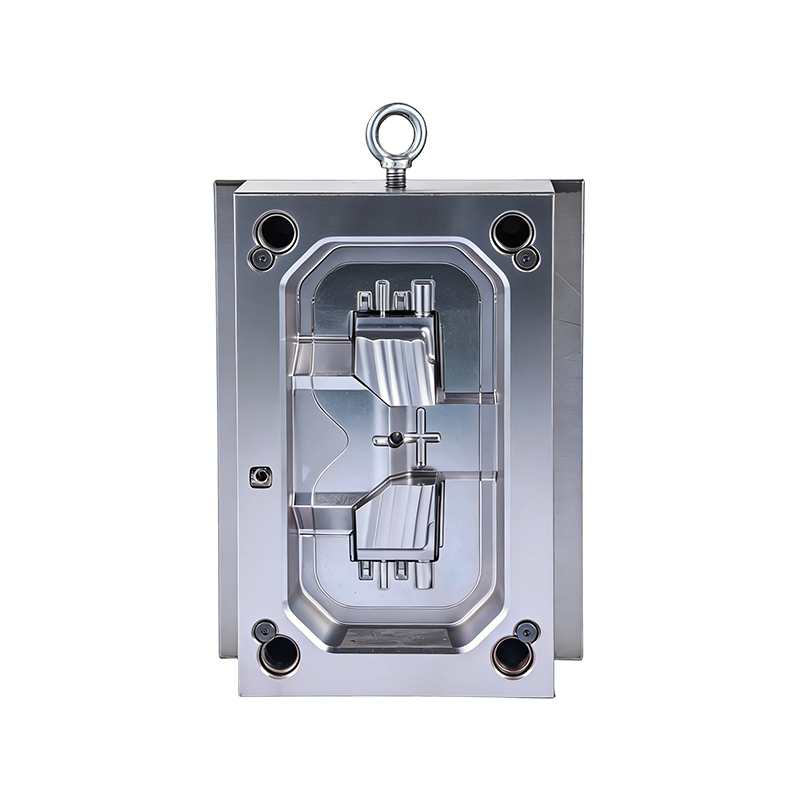
A plastic part starts as a mold. The housing, the bracket, the container, all of it takes shape inside a steel tool built to tolerances measured in microns. An custom medical plastic injection mold China is not ordered from a shelf. It is designed, machined, and tested for one part, one material, one production run. The process takes weeks. The outcome determines whether the part comes out right every cycle for a million cycles.
The Part Drawing Comes First
The mold designer starts with the part geometry. Wall thickness, draft angles, gate position, parting line. Every decision follows from the part and the resin. An injection mold China is designed around how the material flows and shrinks. Polypropylene shrinks one rate. Polycarbonate another. The cavity is cut larger than the finished part by exactly the shrinkage factor. Get that number wrong and the part comes out undersized.
The gate position decides how the melt enters the cavity. A center gate fills a round part evenly. Edge gates suit flat parts. A hot runner keeps the resin molten up to the gate, saving material on high-volume production. The designer runs flow simulation to check that the cavity fills before the melt freezes, that weld lines land in non-critical areas, and that air escapes through the vents.
The parting line is where the two mold halves meet. The designer places it along an edge that will not show or will not affect function. The ejector pins land on ribs and bosses, not on visible surfaces.
Cutting Steel
The steel choice depends on the production volume. A prototype mold uses aluminum or P20. A production injection mold China uses hardened H13 or S136 stainless for long runs and corrosive resins. H13 holds its hardness through millions of cycles. S136 polishes to a mirror finish for clear parts.
The machining starts with CNC rough cutting. The mill removes the bulk of the steel. EDM follows for the deep ribs, sharp corners, and fine details the mill cannot reach. The cavity and core are machined separately, then fitted. The parting line is ground flat so the mold closes without flash.
The surface finish matters. A polished cavity makes a smooth part. A textured cavity hides sink marks or adds grip. An injection mold China with the right surface finish produces parts that look and feel like the design intended.
Cooling, Ejection, and Venting
The cooling system controls cycle time. Channels drilled through the core and cavity carry water to pull heat from the melt. An injection mold China with proper cooling fills evenly and solidifies fast. Uniform cooling means less warpage and a faster cycle.
The ejection system pushes the part off the core. Pins, sleeves, or stripper plates are positioned where the marks do not matter. An injection mold China with poorly placed ejectors leaves marks on visible surfaces or damages the part on release.
Venting lets air escape ahead of the melt. Trapped air burns the resin and leaves black specks. An injection mold China with proper venting produces clean parts without burn marks.
- Here is what the process delivers for an injection mold China:
- Mold design based on part geometry and resin shrinkage
- Steel selection matched to volume and material
- CNC machining and EDM for cavity and core
- Cooling channels for cycle time and part quality
- Ejection and venting placed for clean release
- Surface finish matched to the part requirement
From First Shots to Production
The mold is assembled and mounted in a press. The first shots come out. The designer checks the fill, the dimensions, the surface. Adjustments follow. A gate moves. A cooling channel enlarges. An ejector pin shifts. An injection mold China goes through several rounds before the part matches the drawing.
The trial run tests the mold under production conditions. The cycle time is measured. The part weight is checked. The dimensions are verified. The mold is not done when the parts look right. It is done when they look right at the required cycle time.
What Happens When the Process Is Rushed
The mold is cut before the design is frozen. The part changes. The steel is scrap. An injection mold China built without proper cooling runs slow and produces warped parts. The ejection is positioned wrong and the part sticks. The mold has to be reworked, and rework costs more than the original machining.
An injection mold China is a precision tool built through a controlled process. The design, the steel, the machining, the testing, each step depends on the one before. Choose a manufacturer that follows the process and proves the mold before it ships. The parts will come out right, every cycle, for the life of the mold. That is what the process is for.

- VISIT US:
- Zhuling Village, Beicheng Subdistrict, Huangyan District, Taizhou City, Zhejiang Province, China
- CONTACT US:
-
-
[email protected]

-
+86-18057683888

+86-13666493686
-
- GET IN TOUCH
Copyright ©
Zhejiang Taizhou Hongya Mould Co., Ltd.
All Rights Reserved.
 Mold Supplier And Mold Customization Manufacturer
