


 English
  عربى
عربى 


Industry News
How Long Does an Injection Mold Last? It Depends on These 5 Factors
2026-08-28
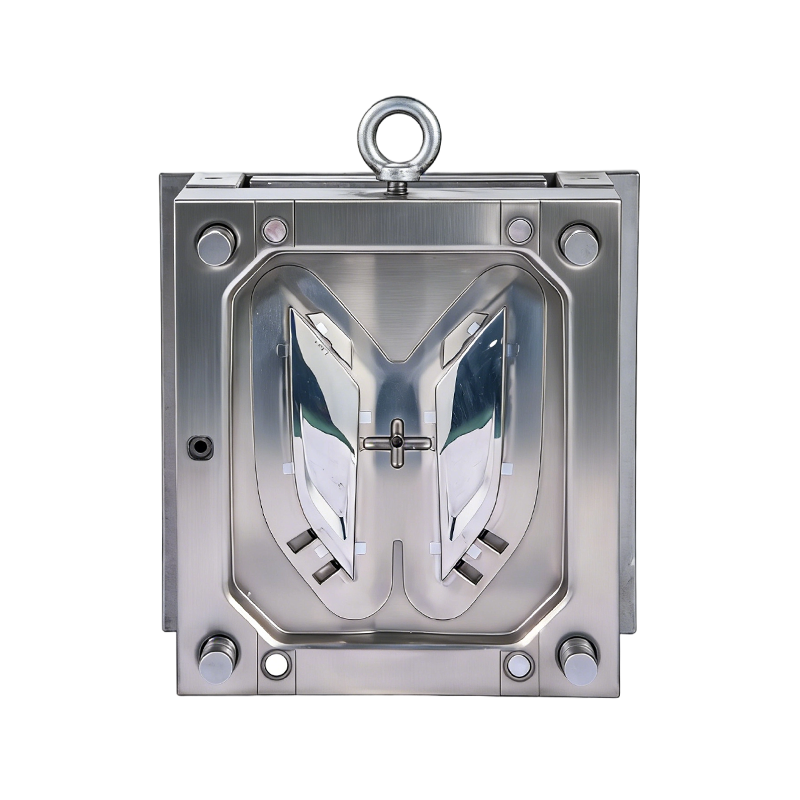
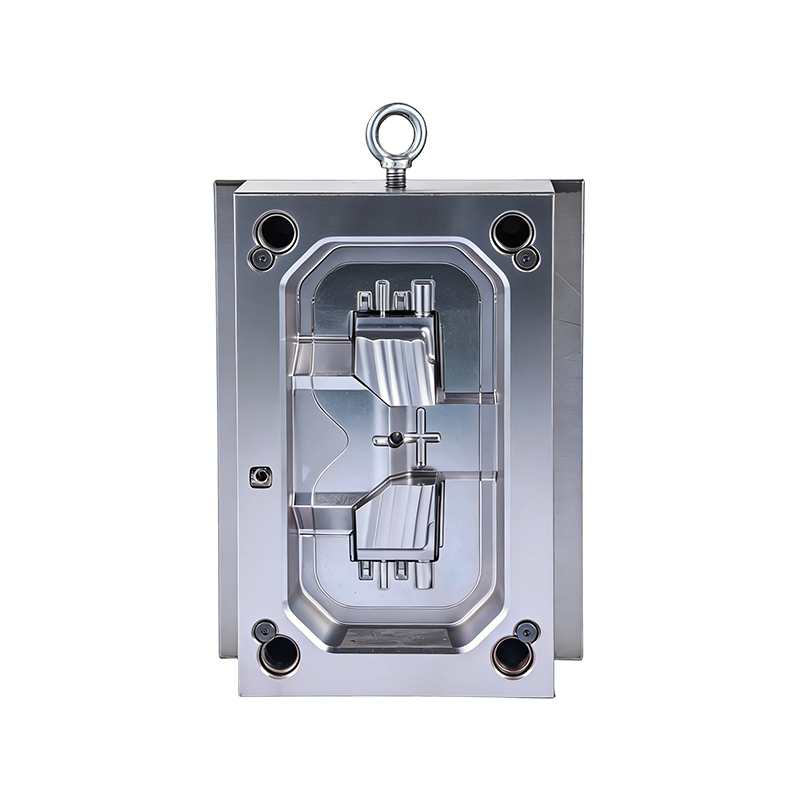
You hear different numbers from different people. Some say 100,000 shots. Others say 500,000. Some claim a million. The truth is, there's no single answer. The life of a custom injection mold depends on how it's built, what it's running, and how it's maintained. A mold that runs abrasive glass-filled nylon every day will wear out faster than a mold running unfilled polypropylene once a week. A well-built mold from a custom injection mold manufacturer can last decades. A poorly built mold might not make it past the first production run.
The Steel Grade Determines the Base Life
Hardened steel lasts longer than pre-hardened
The steel grade is the single biggest factor in mold life. A custom injection mold manufacturer will use pre-hardened steel (like P20) for low to medium volume molds. It's cheaper and easier to machine. But it wears out faster. Hardened steel (like H13 or S7) costs more and takes longer to machine. But it can last millions of cycles.
Stainless steel for corrosive materials
Some plastics release corrosive gases when processed. PVC, for example. A custom injection mold manufacturer will recommend stainless steel for molds that run corrosive materials. The steel resists the chemical attack that would destroy standard tool steel.
Coated steel adds extra life
Coatings extend mold life. A custom injection mold manufacturer can apply nitride, TiN, or DLC coatings to protect the steel. The coating reduces wear and extends the mold's usable life.
The Material Being Molded Matters
Glass-filled plastics are abrasive
Glass fibers wear down steel. A custom injection mold manufacturer will tell you to expect shorter life if you're molding glass-filled nylon or other abrasive materials. The glass particles act like sandpaper on the cavity steel and the gate.
Unfilled plastics are easier on the mold
Unfilled materials—polypropylene, polyethylene, ABS—are much gentler on the mold. A custom injection mold manufacturer can expect longer life from molds running these materials.
Corrosive materials attack the steel
PVC, flame-retardant materials, and some engineering plastics release corrosive byproducts. A custom injection mold manufacturer will recommend stainless steel or special coatings for these materials.
Cycle Time Affects Wear
Faster cycles mean more wear per hour
A short cycle time means the mold opens and closes more often per shift. A custom injection mold manufacturer considers the cycle time when estimating mold life. High-speed production wears out molds faster.
Thermal cycling causes stress
The mold heats up and cools down with every shot. A custom injection mold manufacturer designs cooling systems to minimize thermal stress. But the cycle still takes its toll on the steel.
Maintenance Determines the Actual Life
Regular cleaning extends life
Plastic residue builds up on the steel. A custom injection mold manufacturer will recommend regular cleaning to prevent buildup. Clean molds run better and last longer.
Proper lubrication reduces wear
Moving parts need lubrication. A custom injection mold manufacturer will specify the right lubricant for the ejector pins, slides, and other moving components.
Inspection catches problems early
Cracks, wear, and damage get worse over time. A custom injection mold manufacturer will recommend regular inspection. Catching problems early prevents catastrophic failure.
How to Extend Mold Life
Run the mold at the recommended temperature
Too hot or too cold stresses the steel. A custom injection mold manufacturer will provide temperature specs for the mold. Follow them.
Use the right injection pressure
Excessive pressure stresses the mold. A custom injection mold manufacturer will provide pressure specs for the mold.
Store the mold properly when not in use
Molds corrode when stored improperly. A custom injection mold manufacturer will recommend storage conditions to prevent corrosion.
Common specs for mold life:
- Steel type: P20, H13, S7, stainless
- Hardness: 30-35 HRC for pre-hardened, 45-55 HRC for hardened
- Expected cycles: 100k to 1M+
- Mold maintenance schedule: regular
- Coating: optional, extends life
The Role of the Mold Manufacturer
The life of a custom injection mold is determined by its design, its construction, and its care. A custom injection mold manufacturer that builds the mold right—using the correct steel, proper cooling, and adequate support—gives you a mold that lasts. The operator that runs it right and maintains it right keeps it lasting. The mold doesn't have a fixed expiration date. It has a life that depends on how it's built and how it's treated.

- VISIT US:
- Zhuling Village, Beicheng Subdistrict, Huangyan District, Taizhou City, Zhejiang Province, China
- CONTACT US:
-
-
[email protected]

-
+86-18057683888

+86-13666493686
-
- GET IN TOUCH
Copyright ©
Zhejiang Taizhou Hongya Mould Co., Ltd.
All Rights Reserved.
 Mold Supplier And Mold Customization Manufacturer
