


 English
  عربى
عربى 


Industry News
Custom Injection Mold: The Tool Built for One Part and No Other
2026-09-25
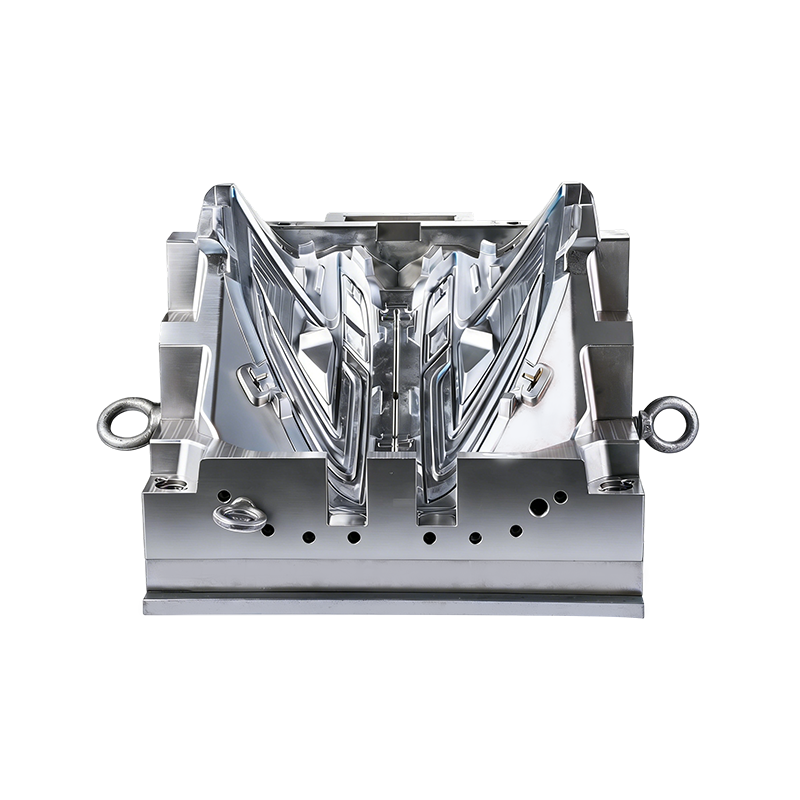
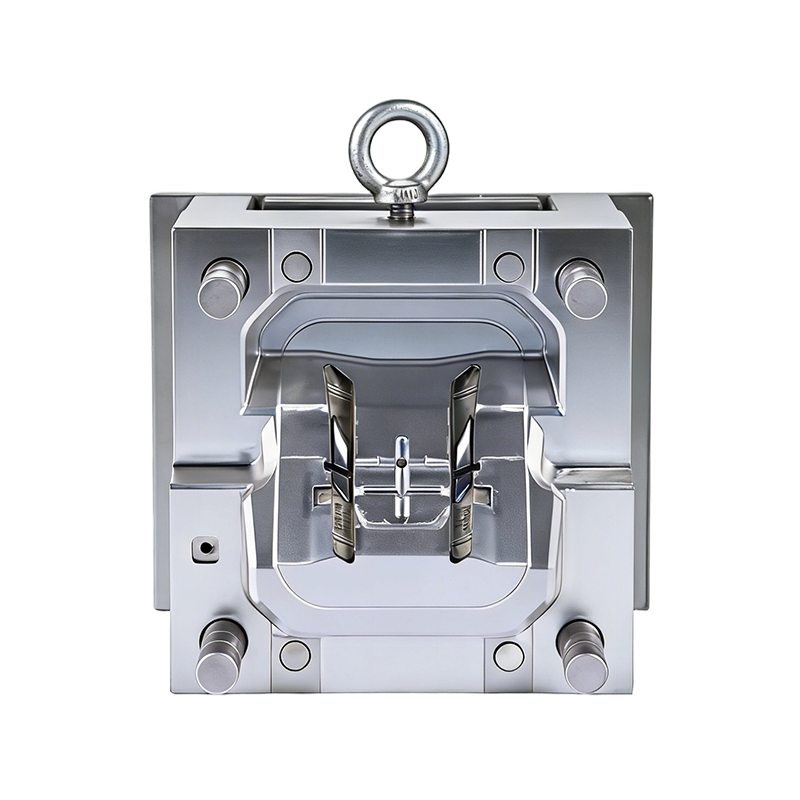
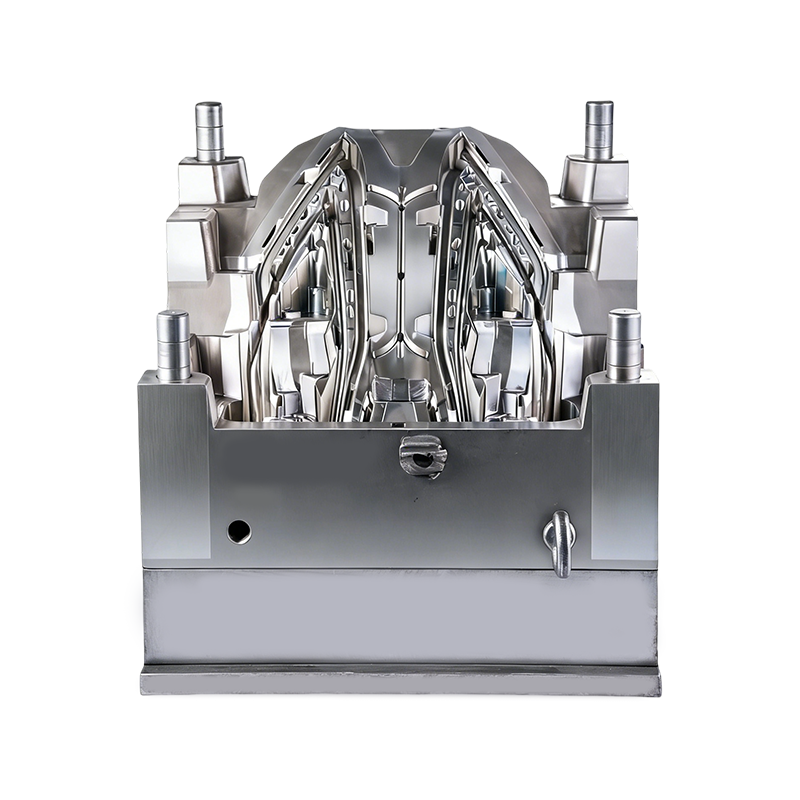
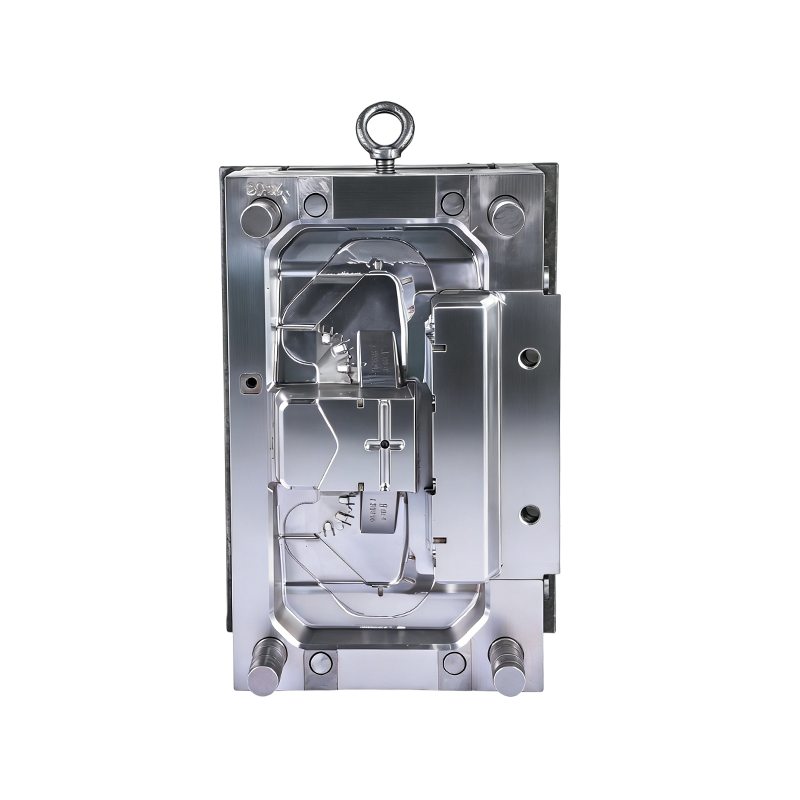
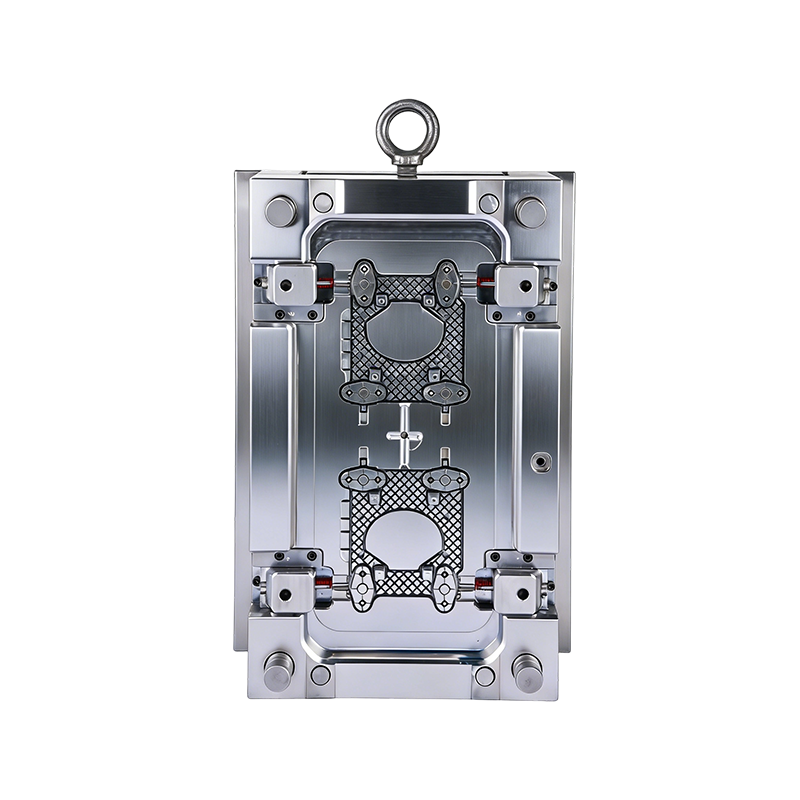
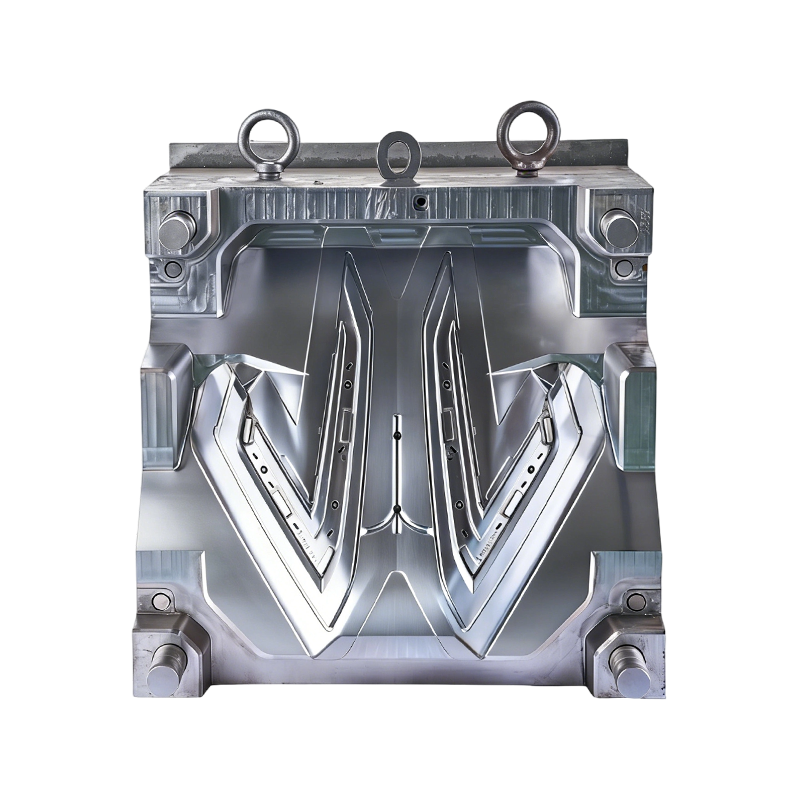
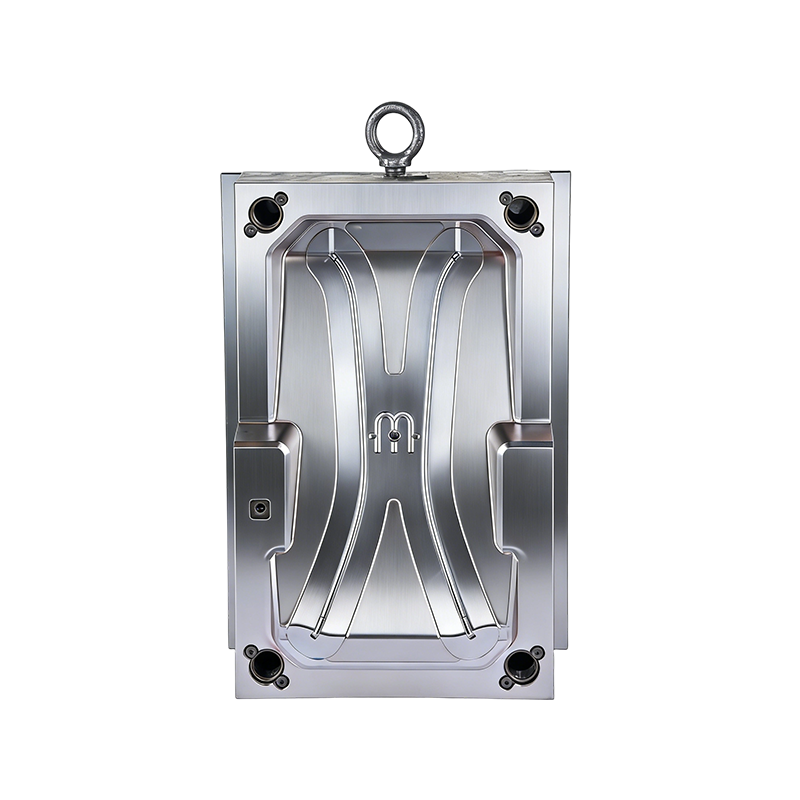
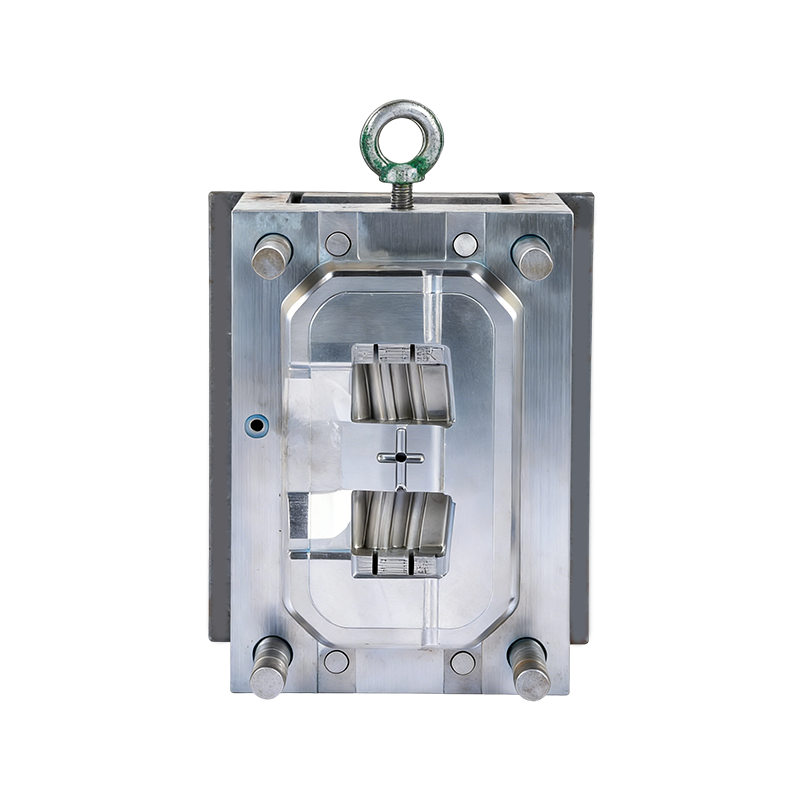
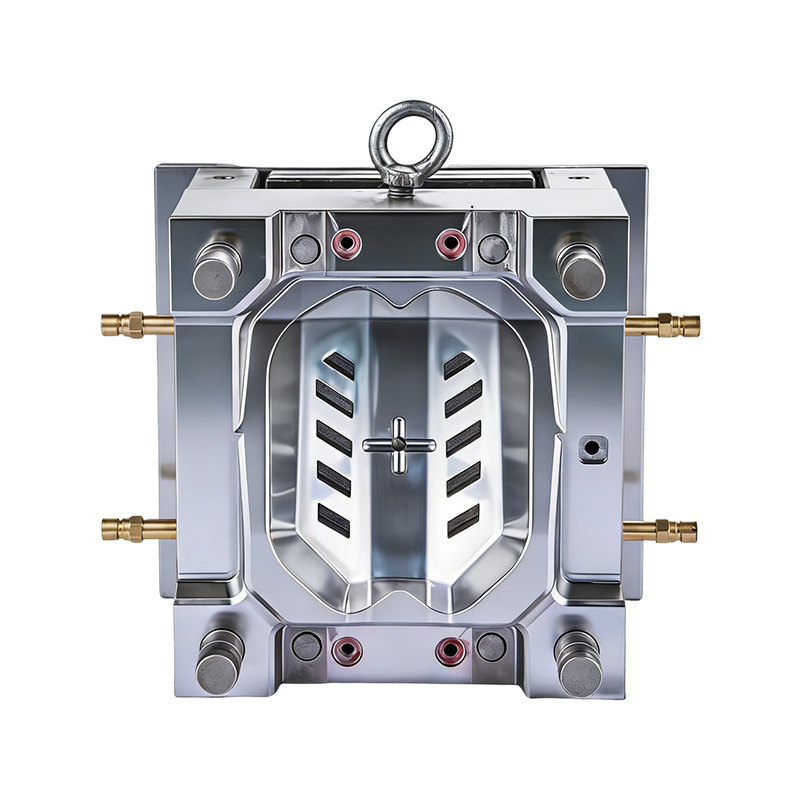
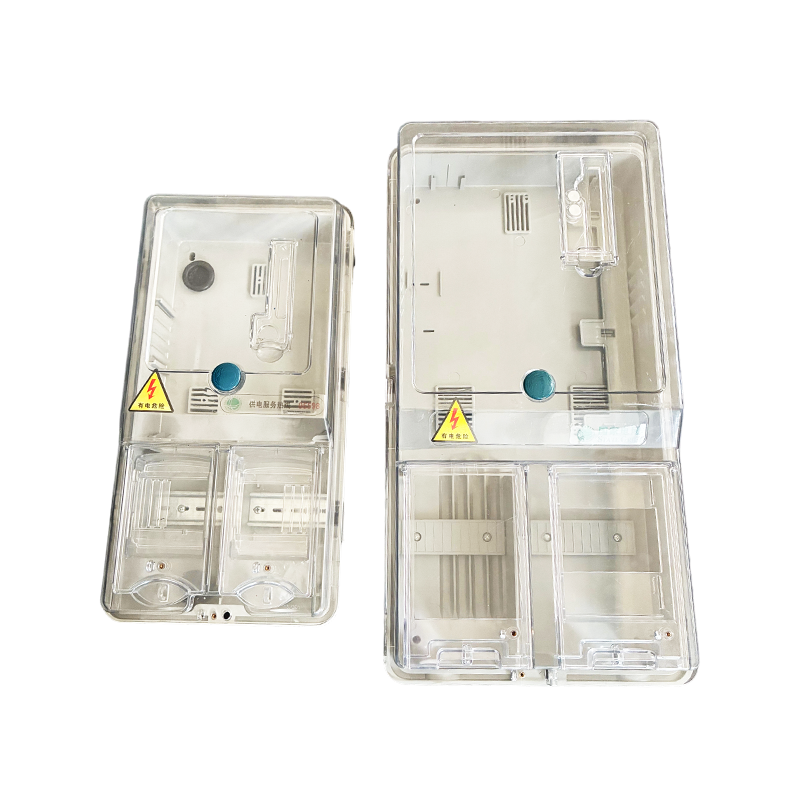
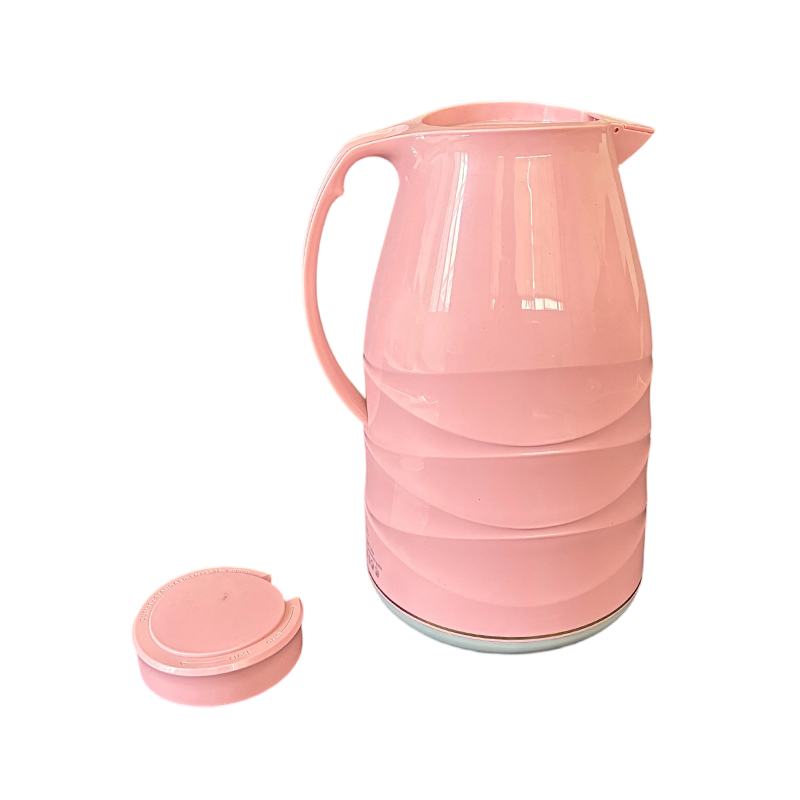
A custom injection mold is not off the shelf. It is cut, machined, and assembled for a single part, a single resin, a single production run. The cavity matches the part geometry exactly. The gate is placed for that part's fill. The ejection is positioned for that part's release. A custom injection mold is the tool that turns a design file into a moldable part. For product developers, OEMs, and plastic processors, the custom mold is the starting point.
The Cavity That Matches the Part
The mold starts with the part. The geometry, the wall thickness, the ribs, the bosses, the threads, the undercuts. Every feature in the part has to be formed in the mold. A custom injection mold is machined to that geometry, with the shrinkage allowance added for the specific resin.
The parting line is where the two mold halves meet. It follows the part geometry, placed where the witness line will not affect the function or the appearance. A custom injection mold with a properly placed parting line produces the part with the clean separation.
The gate is the entry point for the melt. Its position and size determine how the cavity fills. A custom injection mold with the gate placed for the part geometry fills completely without the short shots or the excessive weld lines.
The Resin and the Shrinkage
The resin matters. Each plastic shrinks at its own rate as it cools from the melt to the solid. A custom injection mold is cut with the cavity dimensions adjusted for that shrinkage. Polypropylene shrinks about 1.5 to 2 percent. Polycarbonate less. Nylon varies with the grade. A custom injection mold with the correct shrinkage allowance produces the part at the right size.
The resin also determines the mold temperature, the injection speed, and the cooling time. A custom injection mold is designed for the resin's processing window. The cooling channels, the gate size, and the venting are all matched to the material.
The material also determines the mold steel. An abrasive resin like a glass-filled nylon wears the mold faster and needs a harder steel. A clear resin needs a polished cavity. A custom injection mold with the right steel for the resin lasts through the production run.
The Ejection and the Undercuts
The part has to come out of the mold. The ejector pins push on the ribs, the bosses, and the non-visible surfaces. A custom injection mold with the ejection placed correctly releases the part without the marks.
The undercuts are the features that prevent the straight ejection: the snap tabs, the side holes, the threads. The mold needs slides or lifters to form them. A custom injection mold with the properly designed slides forms the undercuts and releases them.
The draft angle lets the part slide off the core. Too little draft and the part sticks. A custom injection mold with the right draft for the texture and the material releases cleanly.
Here is what a custom injection mold needs to deliver:
- Cavity matched to the part geometry
- Parting line placed for function and appearance
- Gate positioned for complete fill
- Shrinkage allowance for the specific resin
- Steel selection for the material and the volume
- Ejection and slides for clean release
The OEM and the Product Developer
The OEM needs the mold for the product line. The part is designed, the mold is built, and the parts run. A custom injection mold for the OEM is the production tool that makes the product.
The product developer needs the mold for the new part. The design is being tested, the mold is being refined, and the parts are being validated. A custom injection mold for the developer is the tool that proves the design.
The plastic processor runs the molds for the customers. It needs the mold that runs without the constant attention. A custom injection mold that is built right keeps the press running.
The Mold That Needs Rework
The mold is cut before the design is frozen. The part changes. The steel is scrap. A custom injection mold that waits for the frozen design avoids this. The gate is in the wrong place and the part does not fill. The gate position is the first thing to check. The ejection marks the visible surface because the pins were not placed right. The ejection placement matters.
A custom injection mold is a precision tool built for one part. The cavity is right. The gate is right. The ejection is right. Choose a mold maker that reads the design, understands the resin, and cuts the steel to match. The parts will come out right, every cycle. That is the job. That is what the custom mold is for.

- VISIT US:
- Zhuling Village, Beicheng Subdistrict, Huangyan District, Taizhou City, Zhejiang Province, China
- CONTACT US:
-
-
[email protected]

-
+86-18057683888

+86-13666493686
-
- GET IN TOUCH
Copyright ©
Zhejiang Taizhou Hongya Mould Co., Ltd.
All Rights Reserved.
 Mold Supplier And Mold Customization Manufacturer
