


 English
  عربى
عربى 


Industry News
Headlamp Housing Structural Base: The Part Nobody Sees Until It Fails
2026-07-03
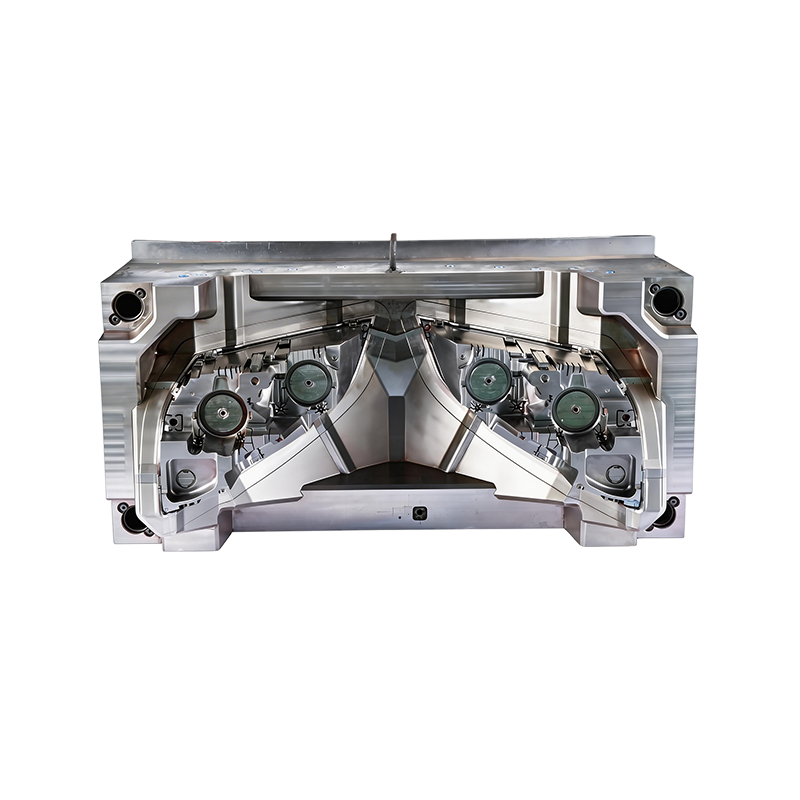
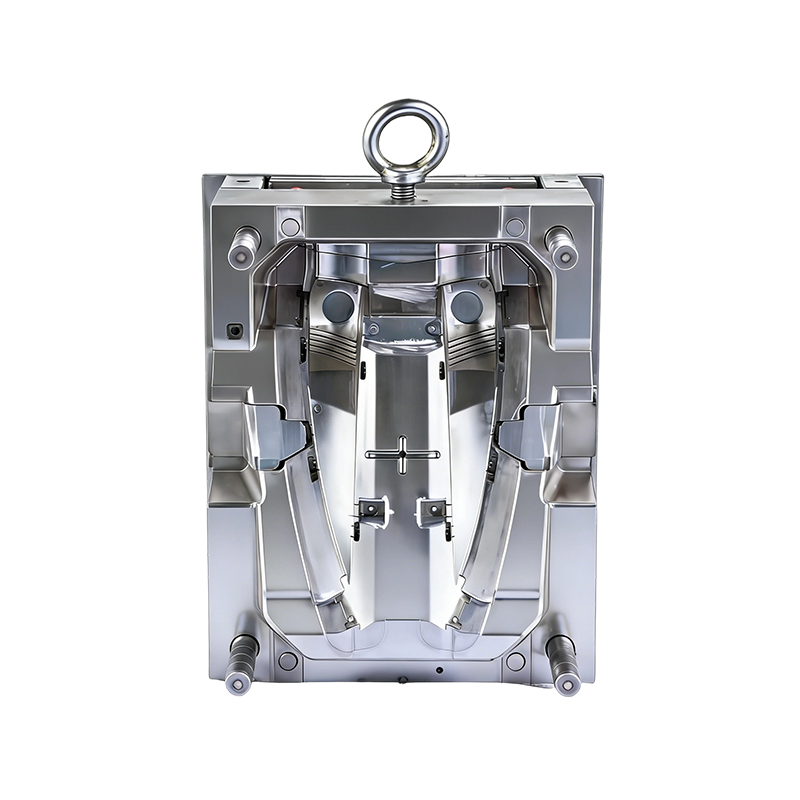
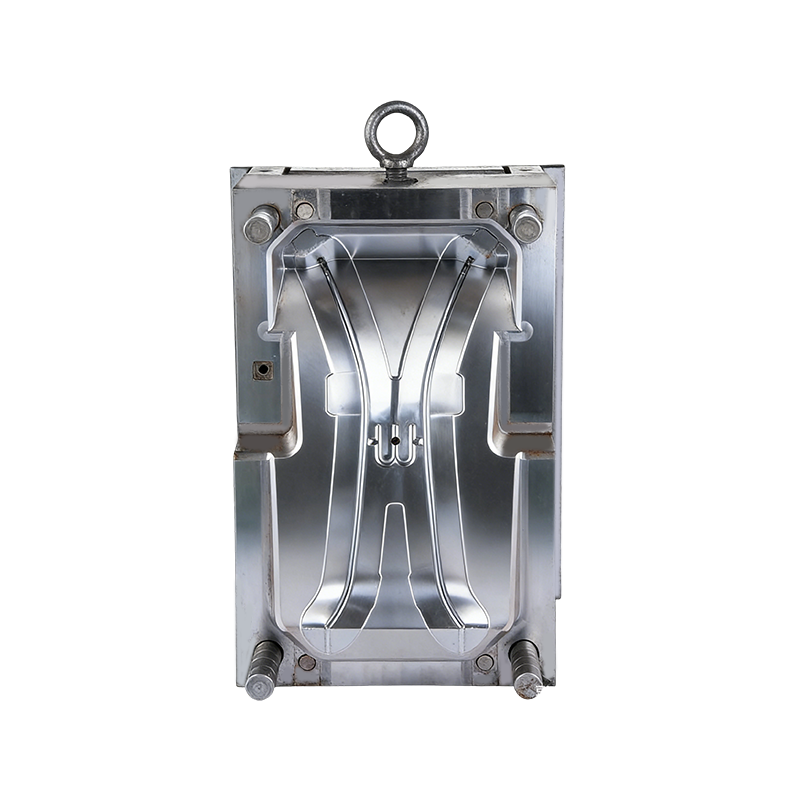
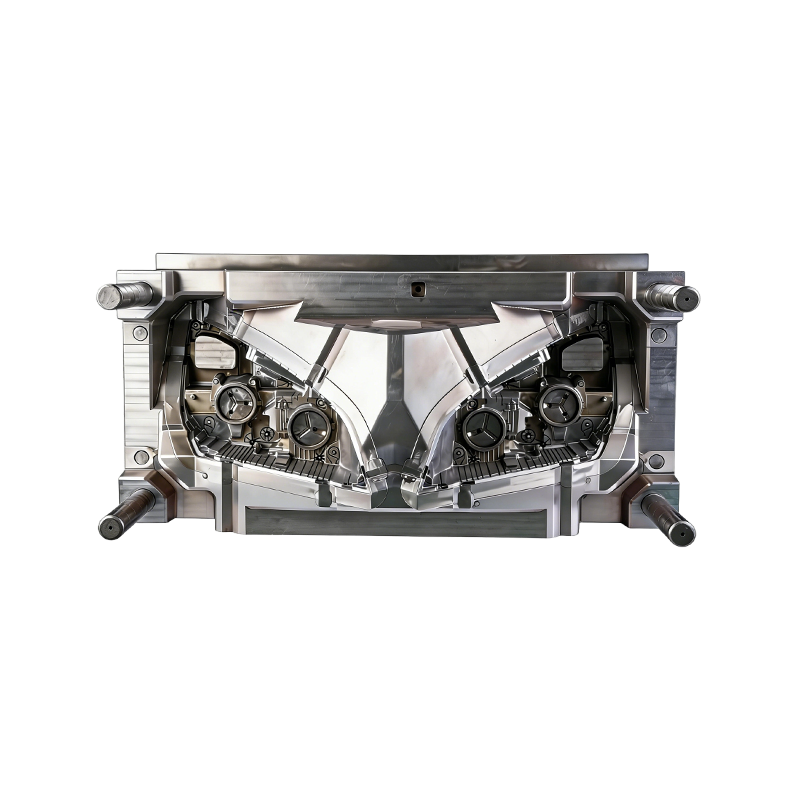
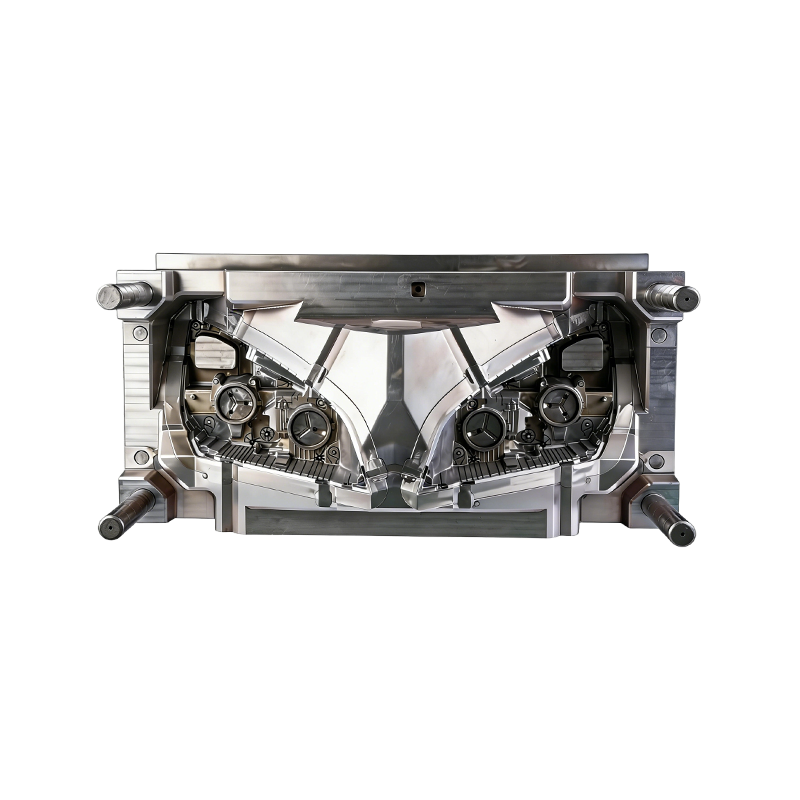
A headlamp housing structural base is the backbone behind the lens. It holds the reflector, the bulb socket, the adjusters. It bolts to the vehicle frame. It has to stay dimensionally stable through heat, cold, vibration, and the occasional minor impact. Many drivers never think about it. A headlamp housing structural base factory has to think about nothing else.
Heat Is the First Enemy
Halogen bulbs run hot. LED modules generate heat at the back. HID burners hotter still. All that heat soaks into the structural base. If the base is made from unreinforced polypropylene, it softens. The reflector sags. The beam aim drifts downward over time. The driver doesn't notice until a year later when the headlights are pointing at the road ten metres ahead.
A headlamp housing structural base factory uses materials that handle the specific heat profile of the bulb technology. Glass-filled nylon is common. It resists creep at temperature. The glass fibre percentage matters—too much and the part gets brittle; too little and it creeps. A factory that knows its material grades will quote the heat deflection temperature under load. If that number is below the bulb's steady-state housing temperature, the base will move.
LED retrofits make this worse. A housing designed for halogen gets an LED bulb with a fan on the back. The fan blocks the natural ventilation path. Heat builds where the original design didn't expect it. A headlamp housing structural base factory building for the aftermarket should test with the common bulb types customers will actually use, not just the one on the drawing.
Vibration and Mounting Points
The base bolts to the vehicle at three or four points. Those mounting bosses take every road shock. A brittle boss cracks at the root. A boss that's too soft compresses over time and the headlamp develops play. Either way, the beam shakes on rough roads.
The mounting geometry has to hold the headlamp in alignment relative to the body. A headlamp housing structural base factory that machines the mounting surface flat after moulding is controlling a critical dimension. One that trusts the as-moulded surface is gambling on warpage. Place a straightedge across the mounting points on a sample. If light shows underneath, the base will stress when bolted down.
Vibration testing should be part of the validation. A headlamp mounted on a shaker table for a set number of hours, with the beam pattern checked before and after. A factory that does this has the data. One that doesn't will ship parts that pass a visual inspection and fail on a gravel road.
The Interface with Adjusters and Reflectors
The structural base carries the aim adjusters. These are small threaded rods, gears, or cams that tilt the reflector horizontally and vertically. The adjuster sockets in the base have to hold the adjuster firmly while allowing smooth movement. A socket that's too tight strips the adjuster gear. One that's too loose lets the beam wander.
The adjuster material matters. Metal adjusters in a plastic base create a wear pair. The plastic side wears faster. A headlamp housing structural base factory that uses metal inserts in the adjuster sockets distributes the load and extends the adjustment life. Check the adjuster action on a sample. Run the adjuster through its full range ten times. It should move smoothly without skipping or binding.
The reflector attachment points are equally critical. The reflector is thin, often metallized plastic. It distorts if the base forces it out of shape. The base should provide a rigid, flat mounting surface for the reflector rim. Any twist in the base transfers directly to the reflector and distorts the beam pattern. That's a headlamp that passes a quick visual check but fails an optical test.
Sealing and Moisture
The structural base is part of the headlamp's sealed envelope. It mates with the lens housing, usually with a continuous channel for a butyl or silicone seal. If the base sealing surface isn't flat, the seal gaps. Moisture gets in. Condensation fogs the lens.
A headlamp housing structural base factory should check the sealing surface profile. A consistent channel depth and width around the full perimeter is essential. Measure the channel at multiple points on a sample. A variation of more than a few tenths of a millimetre is enough to cause a leak in a cold rain.
The venting design matters too. Headlamps breathe through vents to equalize pressure. The vent should be placed where it won't ingest water thrown up from the road. A base with the vent on the bottom face is asking for trouble. One with a vent behind a shield or routed through a labyrinth path has been thought through.
What to Ask and Test
- What is the material and its heat deflection temperature?
- Is the mounting surface machined flat after moulding?
- Do you vibration-test the assembled headlamp?
- Can I see the beam pattern data before and after?
- Are the adjuster sockets metal-inserted or bare plastic?
- What is the sealing channel depth tolerance around the perimeter?
- Where is the vent located, and is it shielded?
Test a sample yourself. Bolt it to a fixture and load it with a weight simulating the reflector and lens. Leave it in a hot environment for a few hours and check for deformation. Run the adjusters through their full range. Pour water over the sealed housing and check inside. The base that passes these tests will do its job for the life of the vehicle. The one that fails any of them will send the whole headlamp to the scrapyard early.

- VISIT US:
- Zhuling Village, Beicheng Subdistrict, Huangyan District, Taizhou City, Zhejiang Province, China
- CONTACT US:
-
-
[email protected]

-
+86-18057683888

+86-13666493686
-
- GET IN TOUCH
Copyright ©
Zhejiang Taizhou Hongya Mould Co., Ltd.
All Rights Reserved.
 Mold Supplier And Mold Customization Manufacturer
