


 English
  عربى
عربى 


Industry News
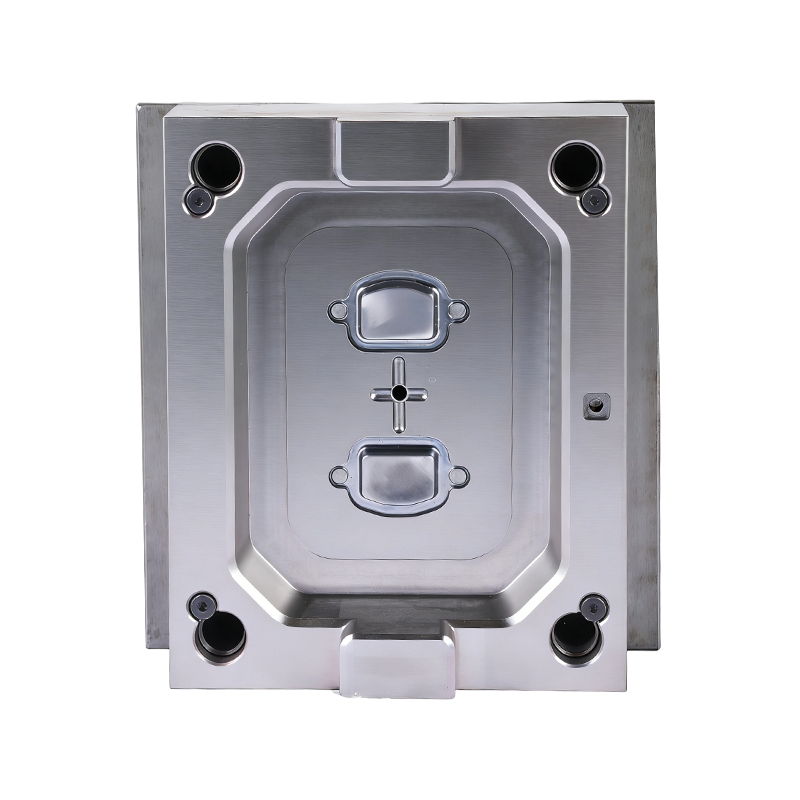
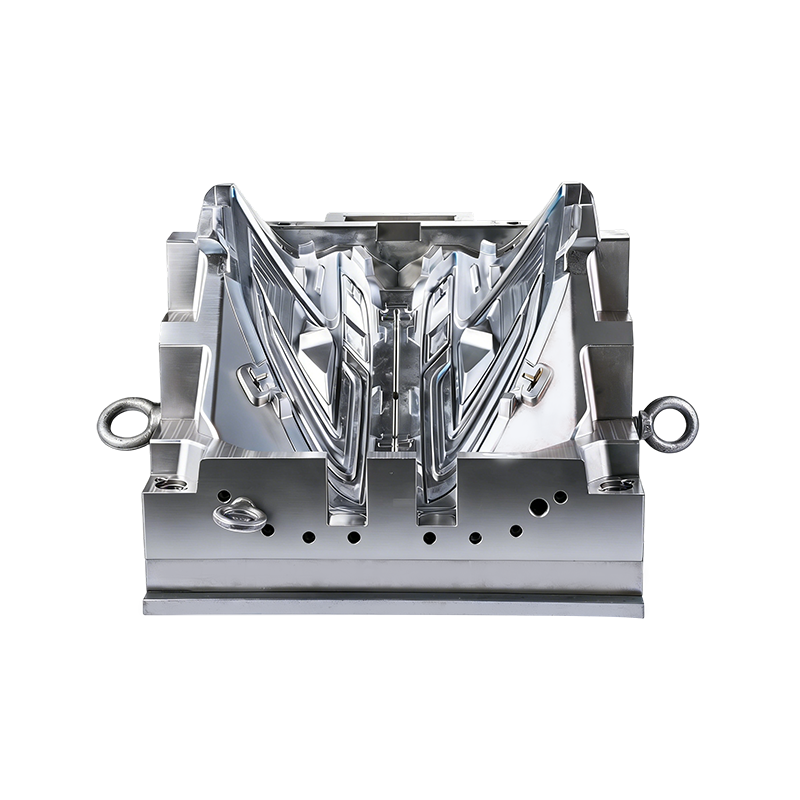
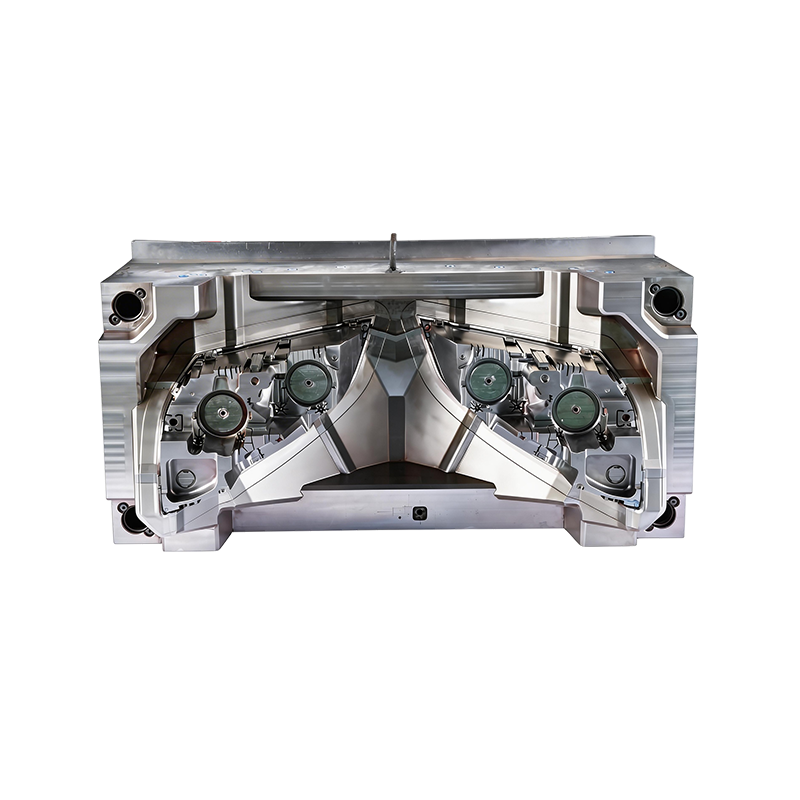
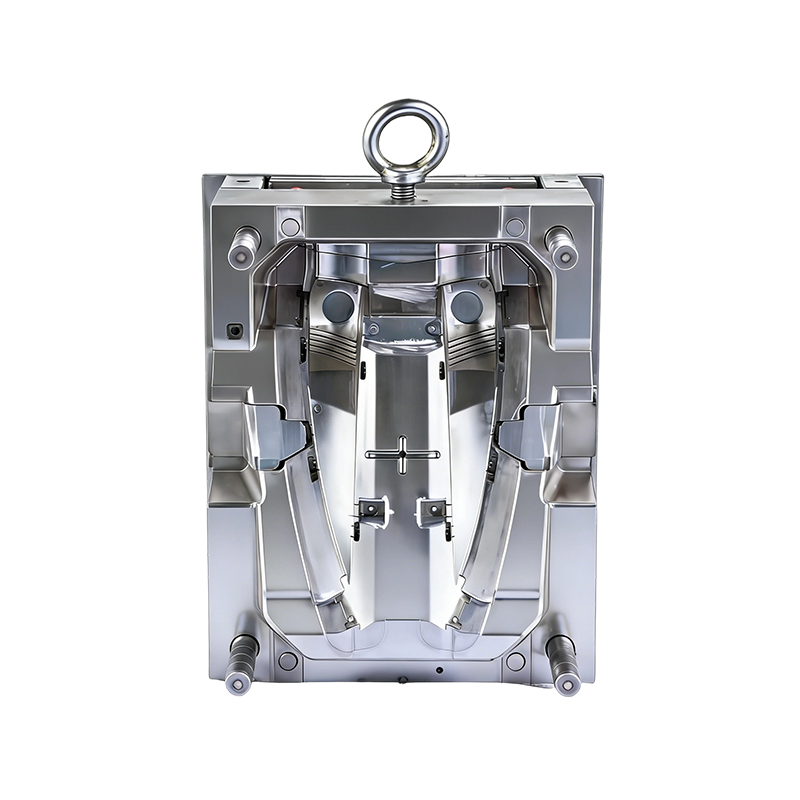
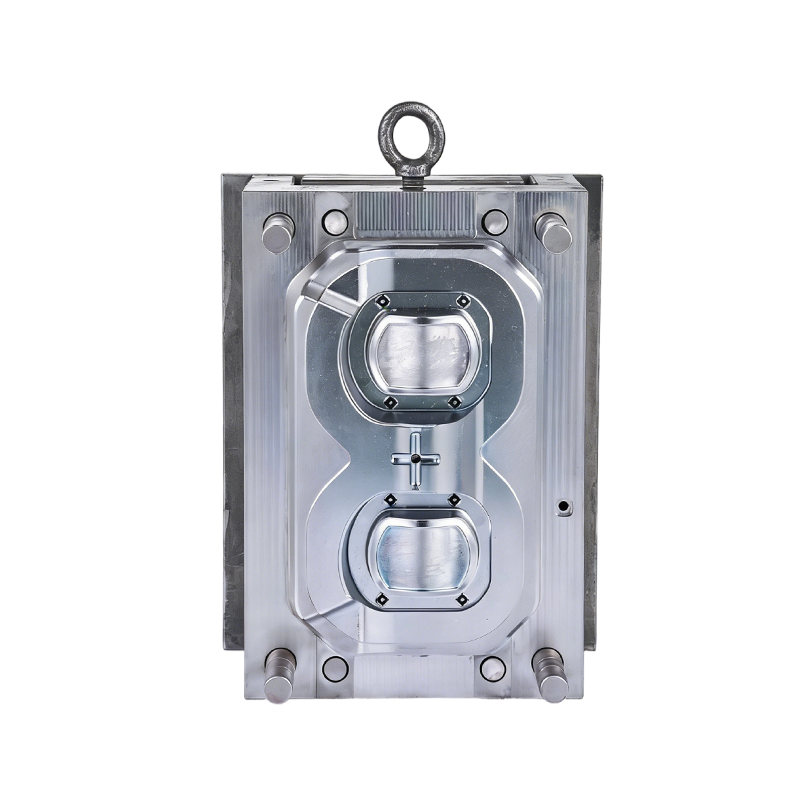
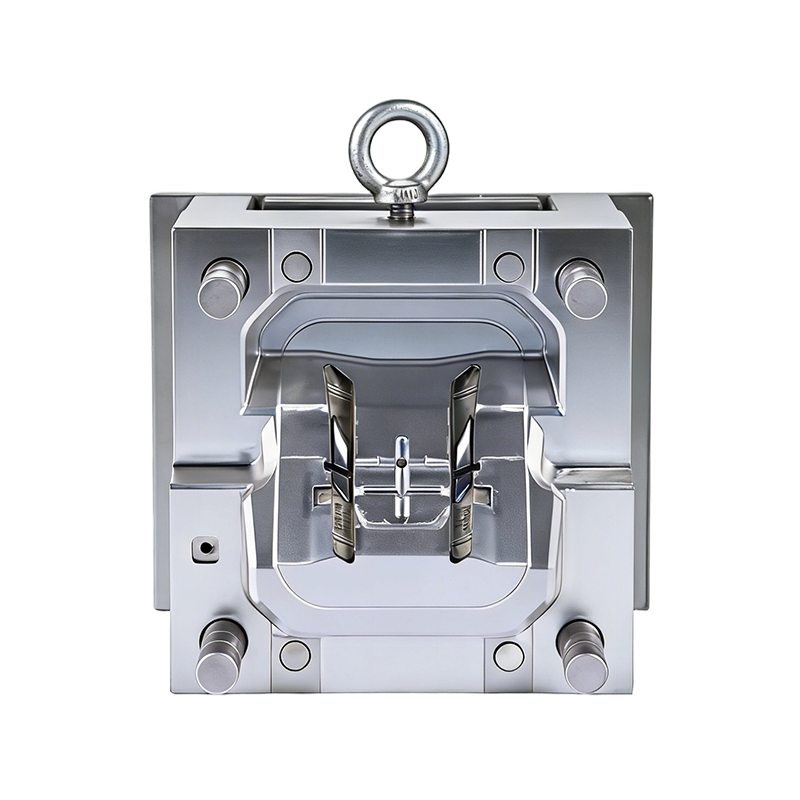
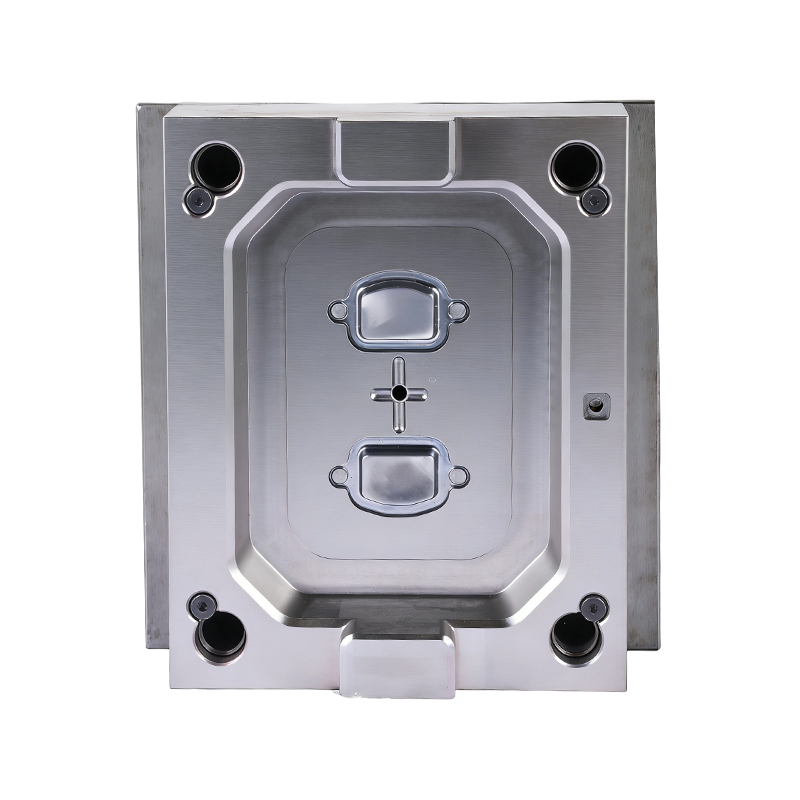
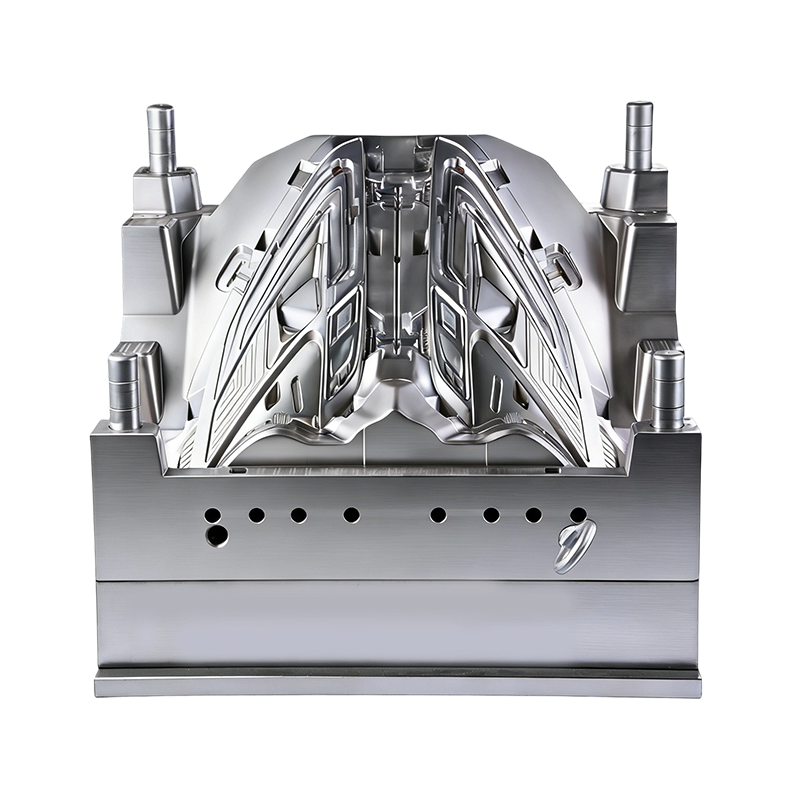
Headlamp Assembly Mold: Precision for Night Driving
2026-06-26
A headlamp is not just a light. It is a safety device. The beam must reach far enough. The cutoff line must be sharp. The lens must stay clear for years. A headlamp assembly mold creates these critical parts. The mold needs optical-grade surfaces and tight tolerances. Any mistake means poor beam pattern. Any defect means driver complaint or recall.
What the Mold Creates
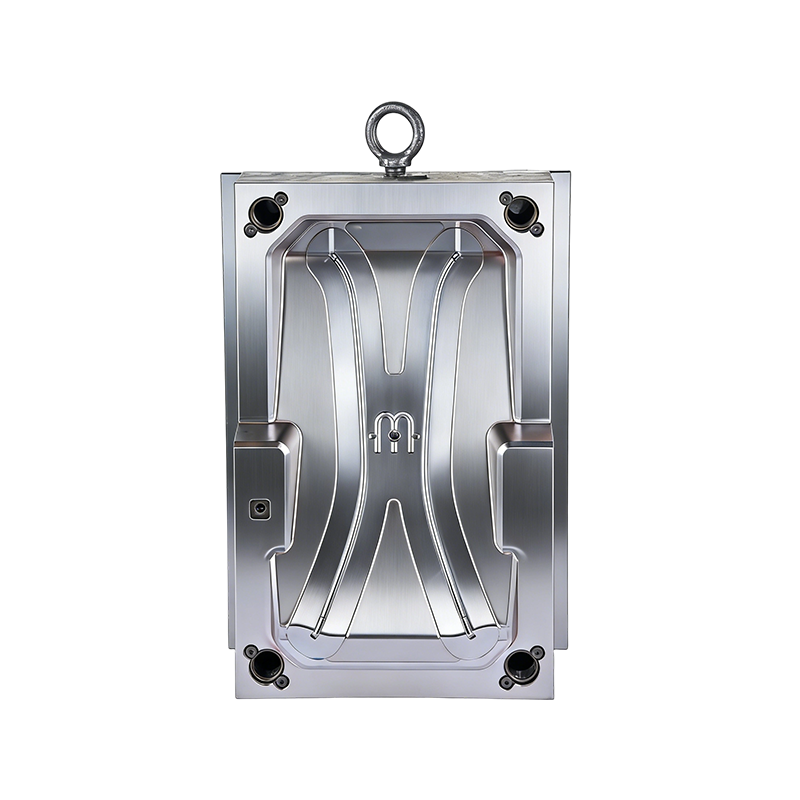
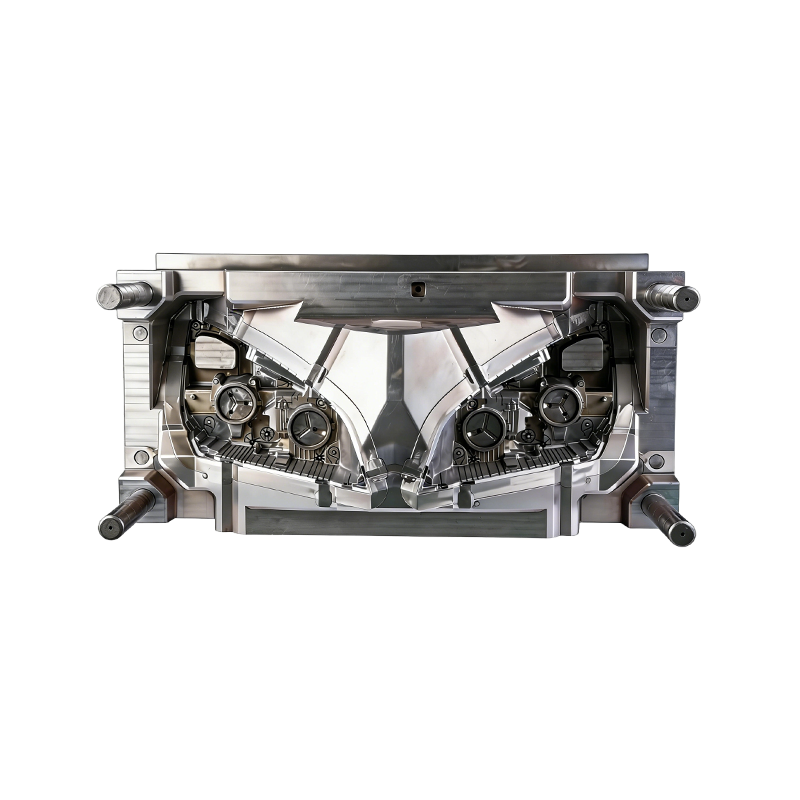
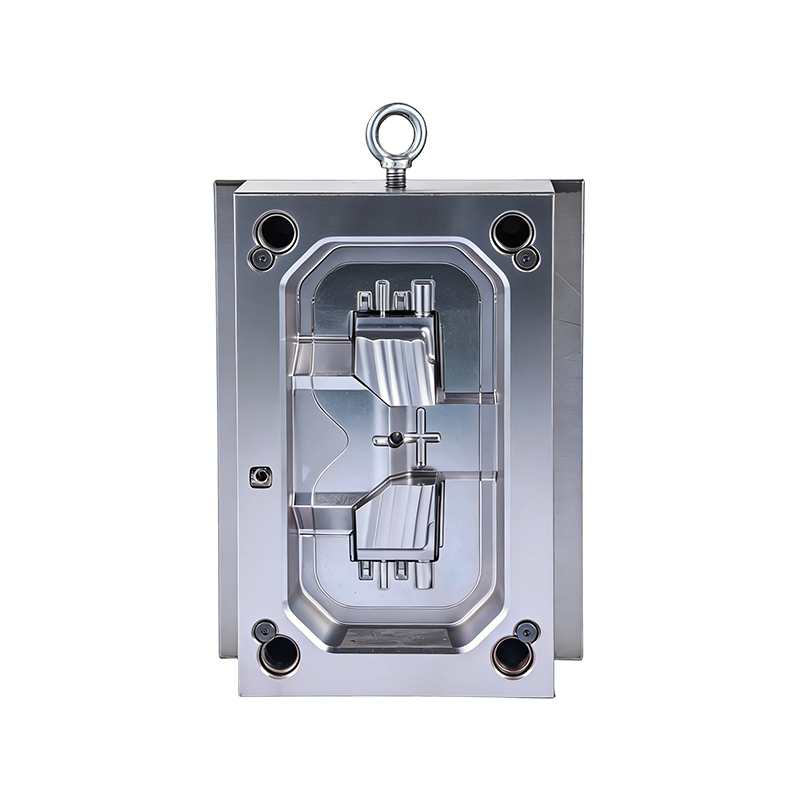
The mold shapes the lens, reflector, and housing
A headlamp has three main plastic parts. The lens is clear. The reflector is chrome-coated. The housing is black. A headlamp assembly mold produces each part. Some molds do one part per cycle. High-volume molds produce multiple parts simultaneously.
The reflector cavity needs optical polish. The lens cavity needs prismatic patterns. The housing needs mounting features and venting. One mold set costs $100,000 to $300,000.
The lens has prismatic patterns that bend light
The lens is not flat. It has small ridges and curves molded into the surface. These patterns direct light from the reflector. A headlamp assembly mold creates these patterns with diamond-cut inserts. The inserts are machined on ultra-precision lathes. Surface finish measured in nanometers.
Here is what the lens mold must produce correctly:
- Clear optics with no distortion or haze
- Prismatic patterns that line up with the reflector
- Smooth outer surface that resists dirt buildup
- Mounting points that align with the housing
Why Headlamp Molds Require Higher Precision
The beam pattern is regulated by law
Headlamps must meet legal standards. The beam cannot blind oncoming drivers. The cutoff line must be sharp. A headlamp assembly mold that is off by 0.1 millimeter changes the beam pattern. The car fails inspection. The mold needs rework.
The reflector requires vapor deposition, not paint
The reflector gets aluminum coating in a vacuum chamber. Any surface defect shows up. A headlamp assembly mold for reflectors has flawless polish. No scratches. No pitting. No tool marks. The coating adheres evenly. The reflector shines.
The lens needs UV coating that will not peel
Modern headlamp lenses have a hard coating. It blocks UV rays. Without it, the polycarbonate lens turns yellow in two years. The headlamp assembly mold must produce a lens surface that accepts this coating. Too smooth, and the coating peels. Too rough, and the coating looks hazy.
What Goes Wrong with Cheap Molds
The beam pattern is wrong and the car fails inspection
A bad headlamp assembly mold produces lenses or reflectors that scatter light. The beam goes too high. Oncoming drivers flash their lights. The car does not pass inspection. The automaker rejects the parts.
The lens yellows quickly because UV coating failed
If the mold surface is not correct, the UV coating does not stick. The lens turns yellow in a year. The customer complains. The automaker issues a recall. Expensive.
The housing warps and the lamp leaks
Uneven cooling warps the housing. The lens does not seal against it. Water gets inside. The reflector corrodes. The lamp fails.
A headlamp assembly mold is one of the expensive molds in automotive manufacturing. The optical surfaces need diamond-level finish. The cooling needs precise control. The steel needs to be hard enough for millions of cycles. Bad molds cause bad headlamps. Bad headlamps cause accidents. Moldmakers who cut corners are not just costing money. They are risking safety. Use hardened steel. Polish to optical grade. Test every batch. Your lamps will light the road. Drivers will see the difference.

- VISIT US:
- Zhuling Village, Beicheng Subdistrict, Huangyan District, Taizhou City, Zhejiang Province, China
- CONTACT US:
-
-
[email protected]

-
+86-18057683888

+86-13666493686
-
- GET IN TOUCH
Copyright ©
Zhejiang Taizhou Hongya Mould Co., Ltd.
All Rights Reserved.
 Mold Supplier And Mold Customization Manufacturer
