


 English
  عربى
عربى 


Industry News
How Much Does an Injection Mold Cost?
2026-08-07
If you're sourcing plastic parts and you've never bought a mold before, the first question is always the same: how much does an injection mold cost? You ask a plastic injection mold manufacturer for a quote, and the number you get back could be $5,000 or $100,000. So which one is right for your project? The answer depends on five key factors. Understanding them is the difference between getting a fair quote from a reliable plastic injection mold manufacturer and overpaying for something you don't actually need.
Mold Size and Cavity Count
Bigger molds cost more to build
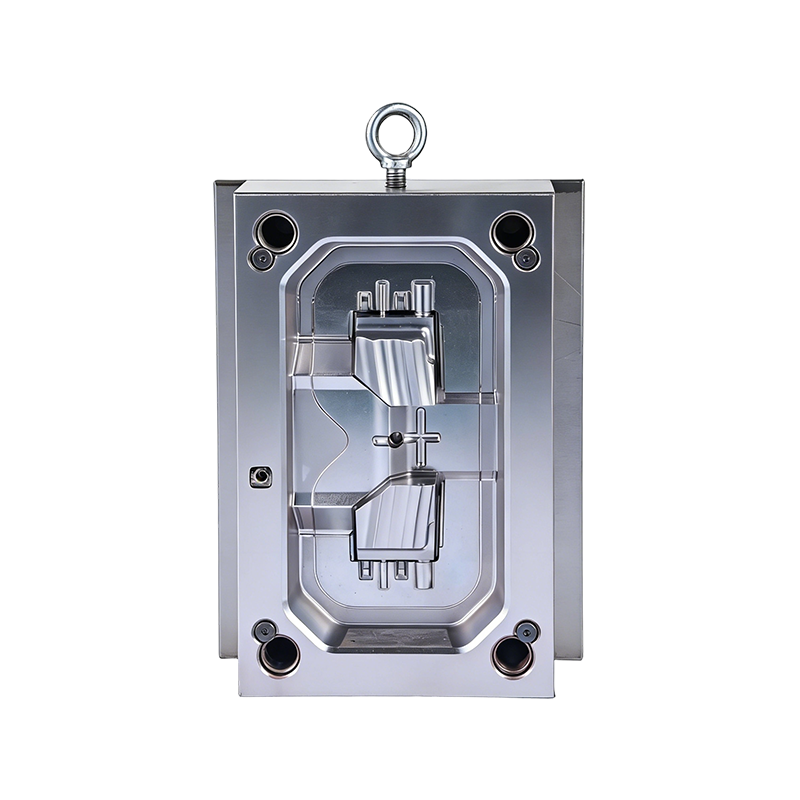
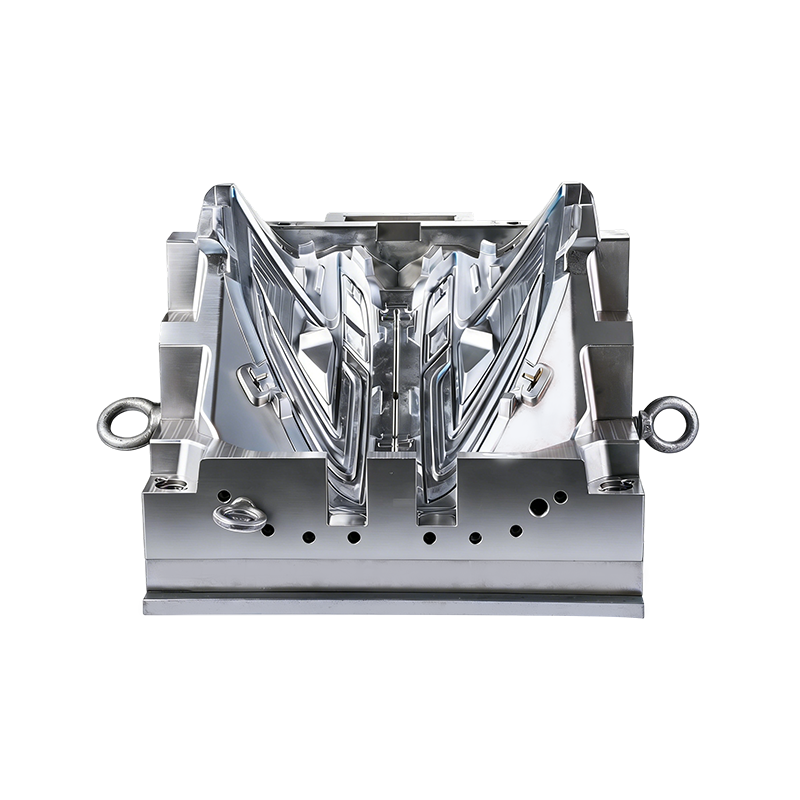
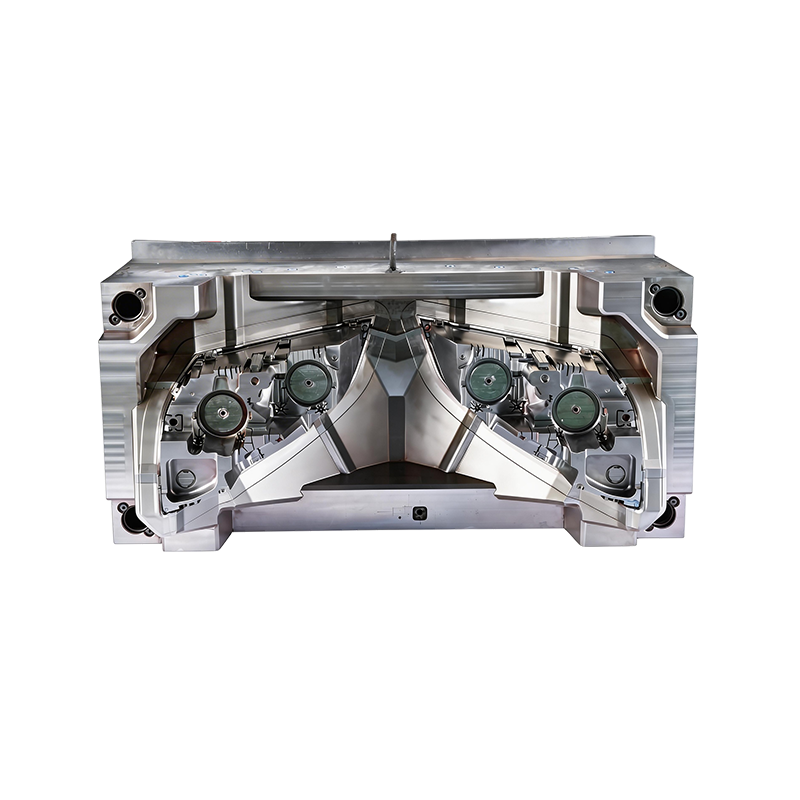
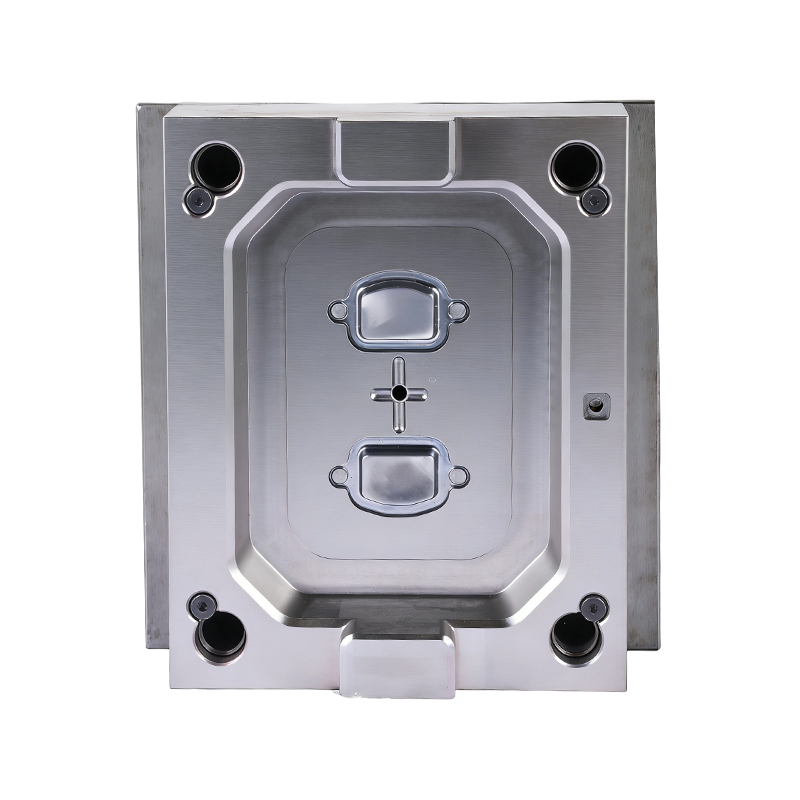
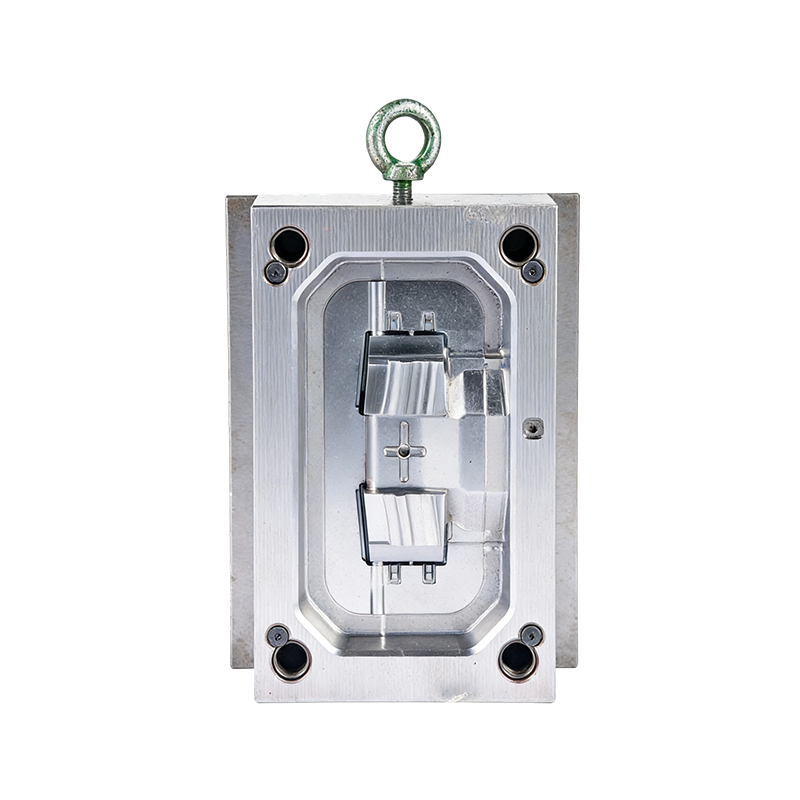
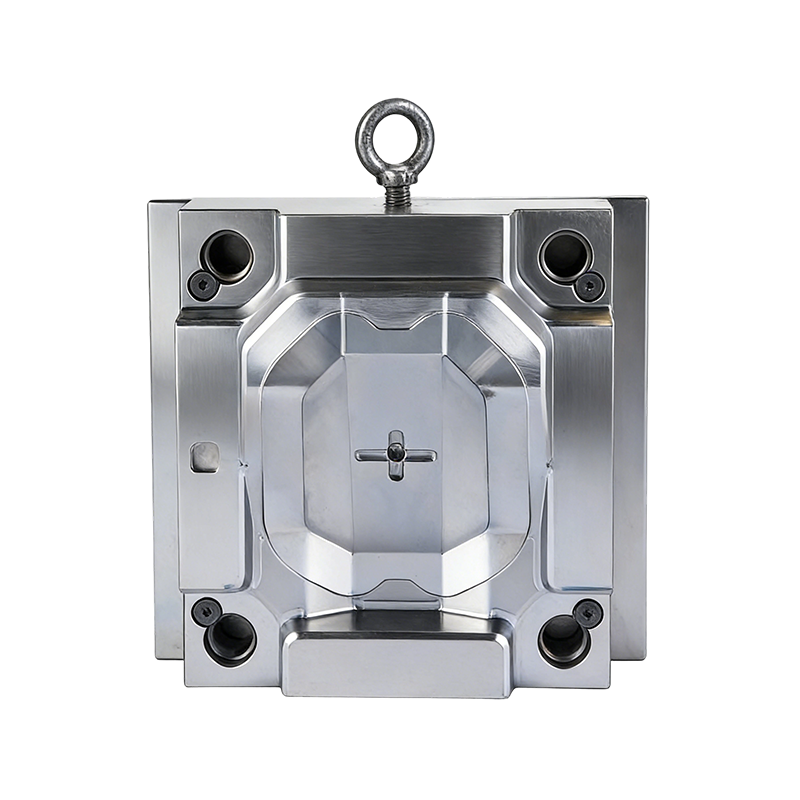
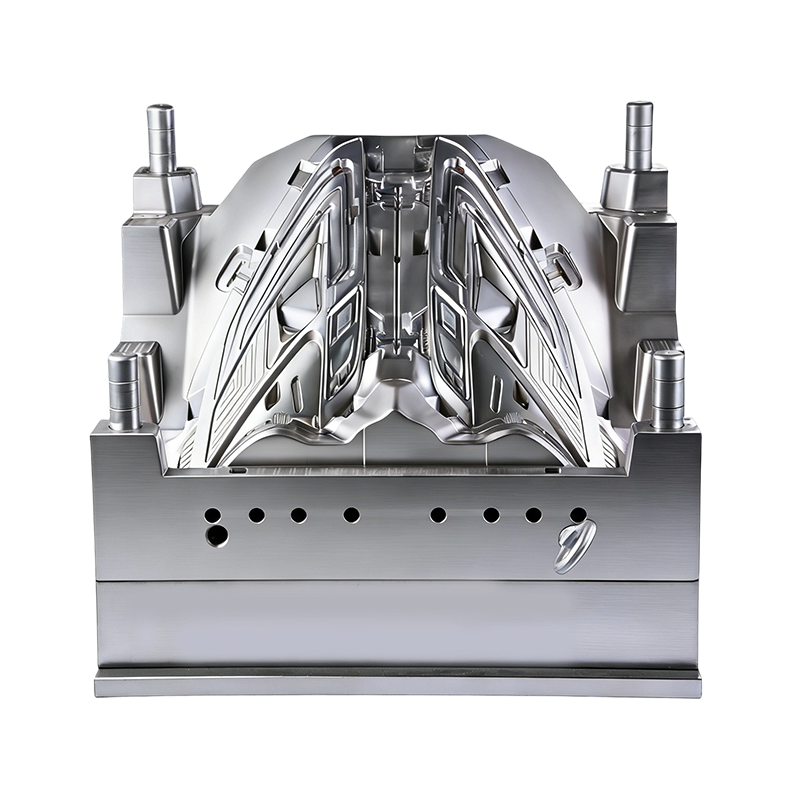
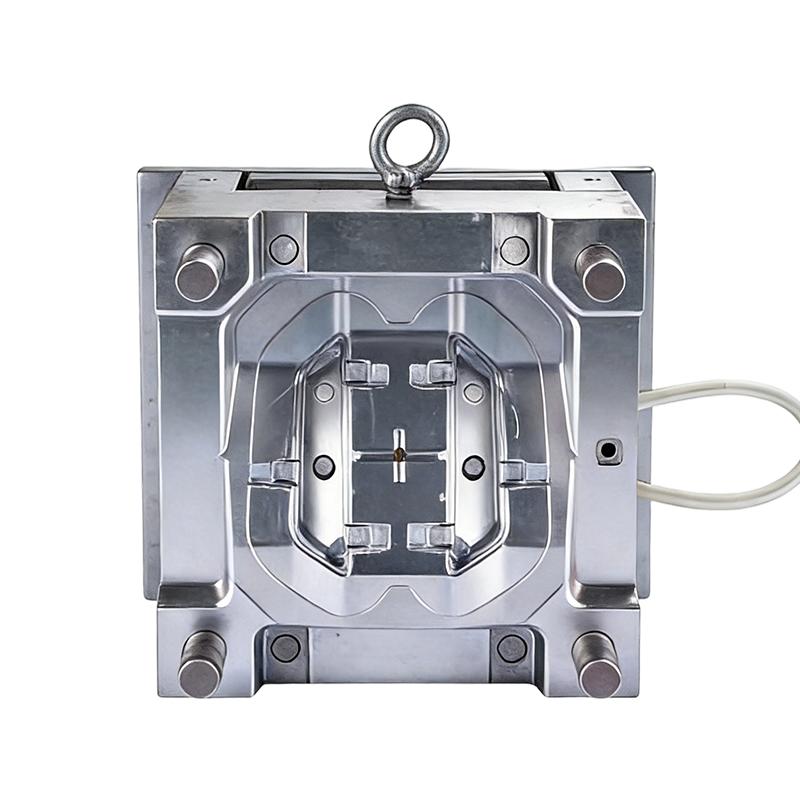
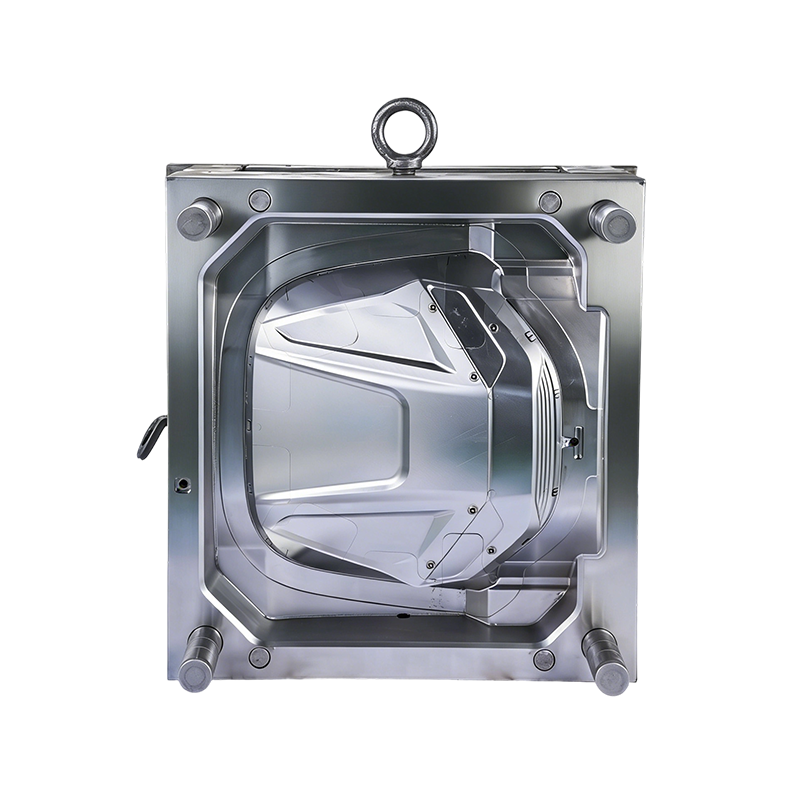
The physical size of the mold is one of the biggest cost drivers. A small mold for a phone case might weigh 50kg. A large mold for an automotive bumper can weigh several tons. A plastic injection mold manufacturer quotes based on the amount of steel, the machining time, and the handling equipment required. The bigger the mold, the higher the cost.
More cavities mean more output—and more cost
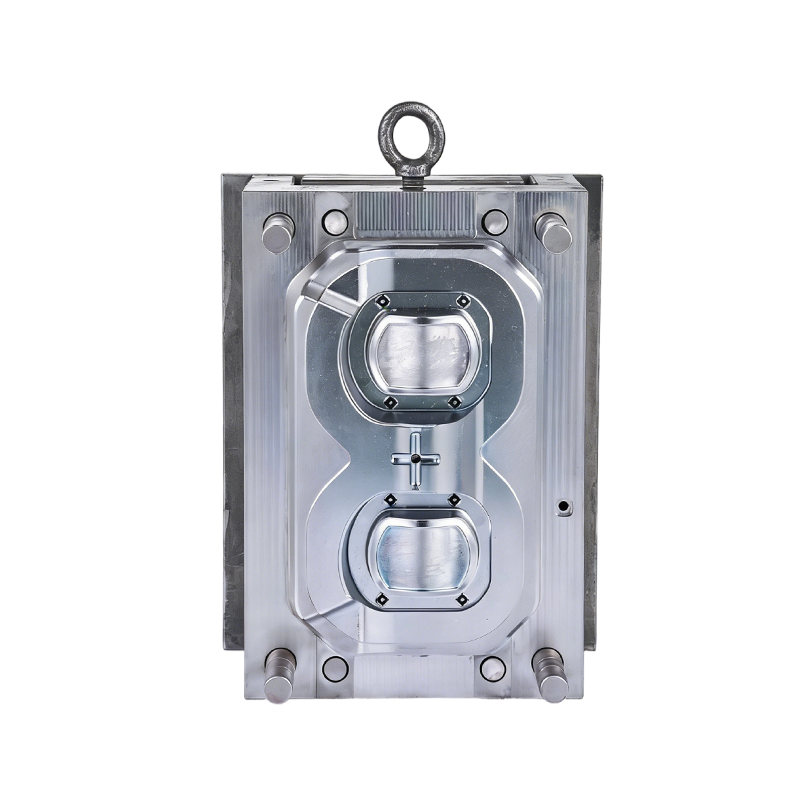
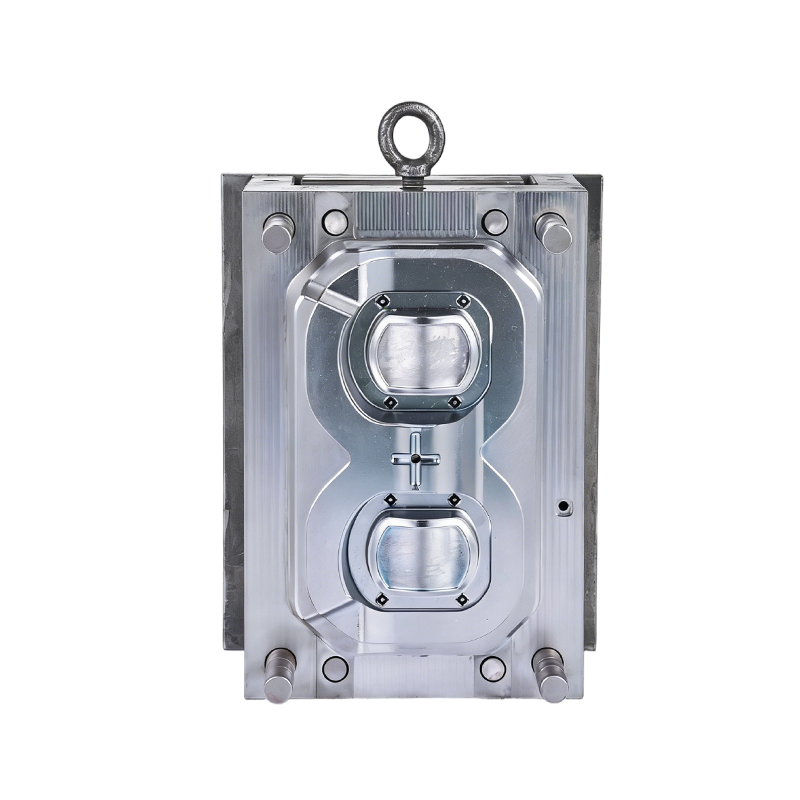
A single-cavity mold produces one part per cycle. A multi-cavity mold produces multiple parts at once—four, eight, sixteen, or more. A plastic injection mold manufacturer charges more for multi-cavity molds because there's more machining, more components, and more complexity. But the per-part cost drops significantly. If you need high volume, multi-cavity pays off.
Part Complexity and Geometry
Simple parts cost less. Complex parts cost more.
The geometry of the part drives the complexity of the mold. A simple flat part with no undercuts is easy and cheap. A part with intricate details, thin walls, tight tolerances, or complex curves requires more machining and more careful design. A plastic injection mold manufacturer factors in the engineering time, the machining time, and the risk of defects. Complex parts take longer to design and build. That adds cost.
Side actions, sliders, and lifters add cost
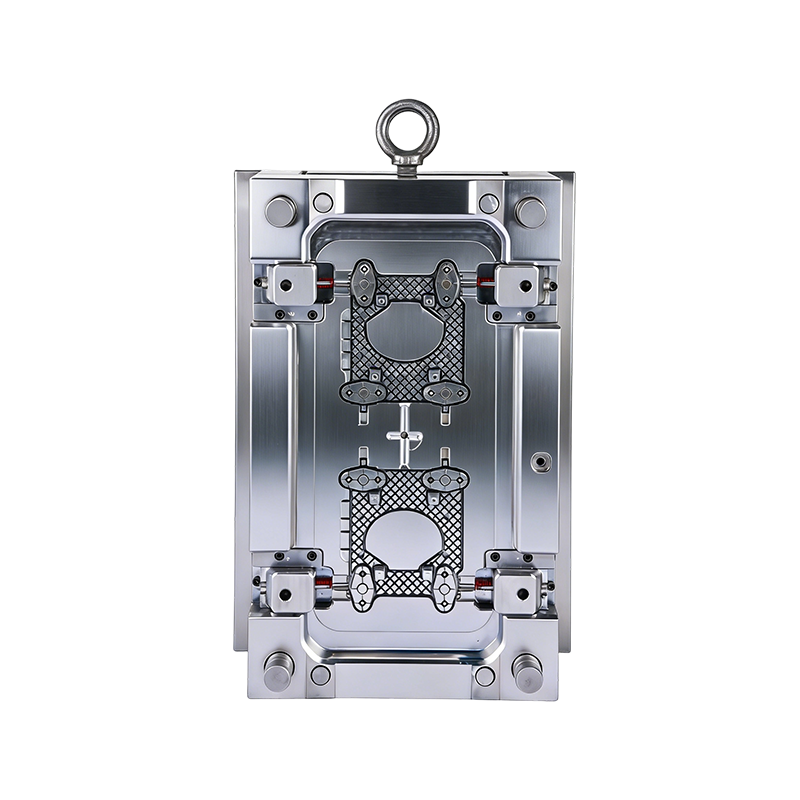
If your part has holes or features on the side, the mold needs side actions. These are moving parts that slide in and out during the molding cycle. A plastic injection mold manufacturer charges more for molds with sliders and lifters because they add mechanical complexity, require more precise machining, and increase maintenance needs.
Steel Type and Mold Longevity
Softer steel is cheaper but wears out faster
Molds are made from different grades of steel. Pre-hardened steel is cheaper and easier to machine. Hardened steel costs more but lasts much longer. A plastic injection mold manufacturer recommends steel based on your production volume. Low volume? Pre-hardened steel is fine. High volume? You need hardened steel. The steel choice affects the price of the mold and the per-part cost over its lifetime.
Longer life costs more upfront
A mold that lasts 100,000 cycles uses a different steel grade and heat treatment than one that lasts 1,000,000 cycles. A plastic injection mold manufacturer can build either. But the longer-lasting mold costs more upfront. If you're planning to produce millions of parts, spend the extra money on better steel. If you're only making a few thousand, save the cost.
Surface Finish and Cosmetic Requirements
High-gloss finishes cost more than textured finishes
The surface finish on the part affects how the mold is finished. A textured finish hides imperfections and is easier to achieve. A high-gloss finish requires the mold to be polished to a mirror surface. A plastic injection mold manufacturer spends significant time polishing high-gloss molds. The smoother the finish, the higher the cost.
Special colors and materials require more attention
If your part needs a specific color or is made from a high-temperature material, the mold design and cooling system may need modifications. A plastic injection mold manufacturer accounts for these requirements. Some materials are abrasive and wear down the mold faster, requiring harder steel or coatings. These add cost.
Tolerances and Quality Requirements
Tighter tolerances require more precise machining
If your part needs high precision—±0.01mm instead of ±0.1mm—the mold has to be machined with more accuracy. A plastic injection mold manufacturer uses higher-end equipment and more inspection time. The machining process is slower and more careful. This adds cost.
Quality documentation and certifications add cost
If you need full documentation for your parts—CMM reports, material certificates, process validation—the mold manufacturer has to spend time on these deliverables. A plastic injection mold manufacturer that provides medical or automotive-grade documentation will charge more. It's not the mold itself. It's the traceability.
The cost of an injection mold depends on size, complexity, steel, surface finish, and tolerances. You can get a simple mold for a few thousand dollars. A complex, high-volume, multi-cavity mold with tight tolerances and a high-gloss finish can exceed $100,000.
The cheapest mold isn't always the best choice. A plastic injection mold manufacturer that understands your production volume, part geometry, and quality requirements will recommend the right mold for your project. That's the difference between a mold that works and a mold that fails.

- VISIT US:
- Zhuling Village, Beicheng Subdistrict, Huangyan District, Taizhou City, Zhejiang Province, China
- CONTACT US:
-
-
[email protected]

-
+86-18057683888

+86-13666493686
-
- GET IN TOUCH
Copyright ©
Zhejiang Taizhou Hongya Mould Co., Ltd.
All Rights Reserved.
 Mold Supplier And Mold Customization Manufacturer
