


 English
  عربى
عربى 


Industry News
Food Storage Container Mold Leaks at the Corner Weld
2026-07-31
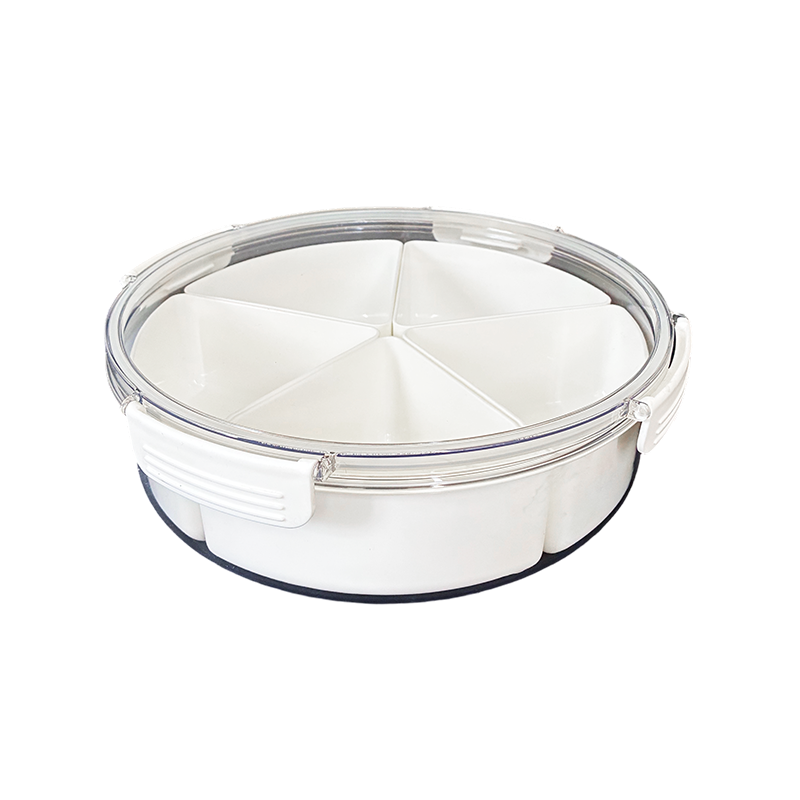
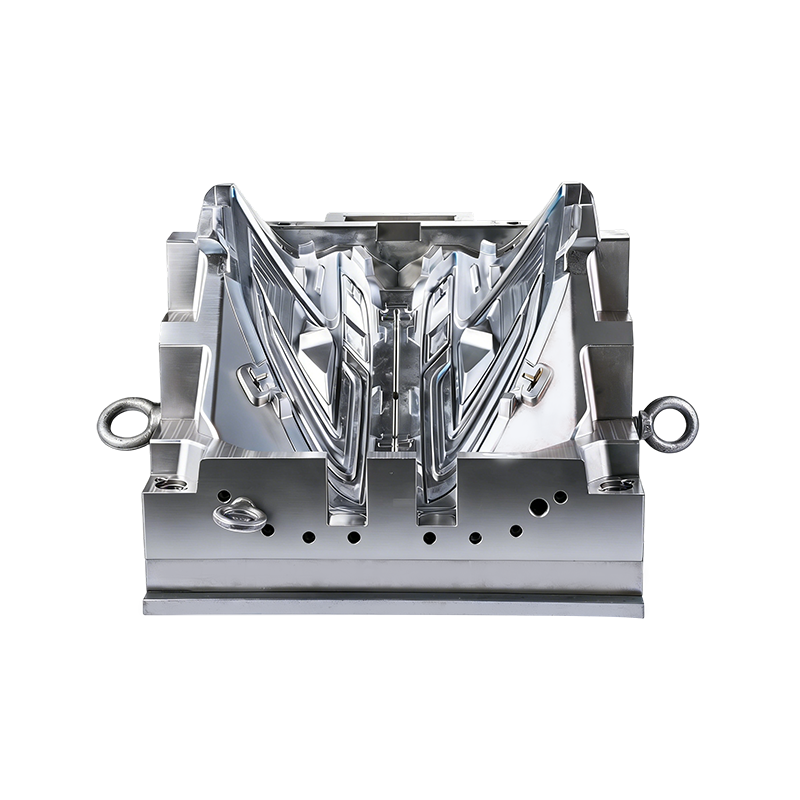
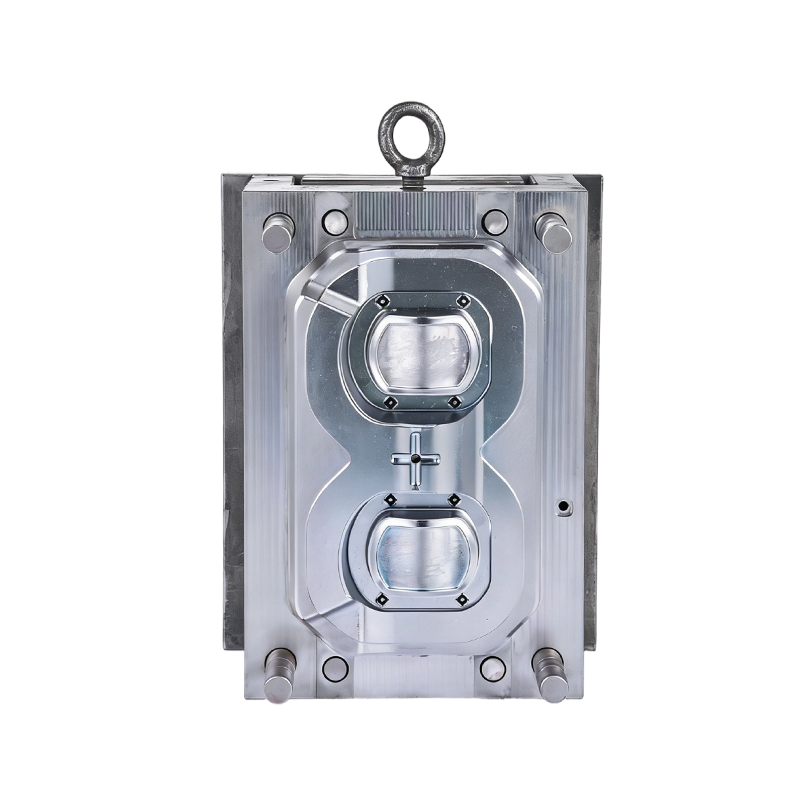
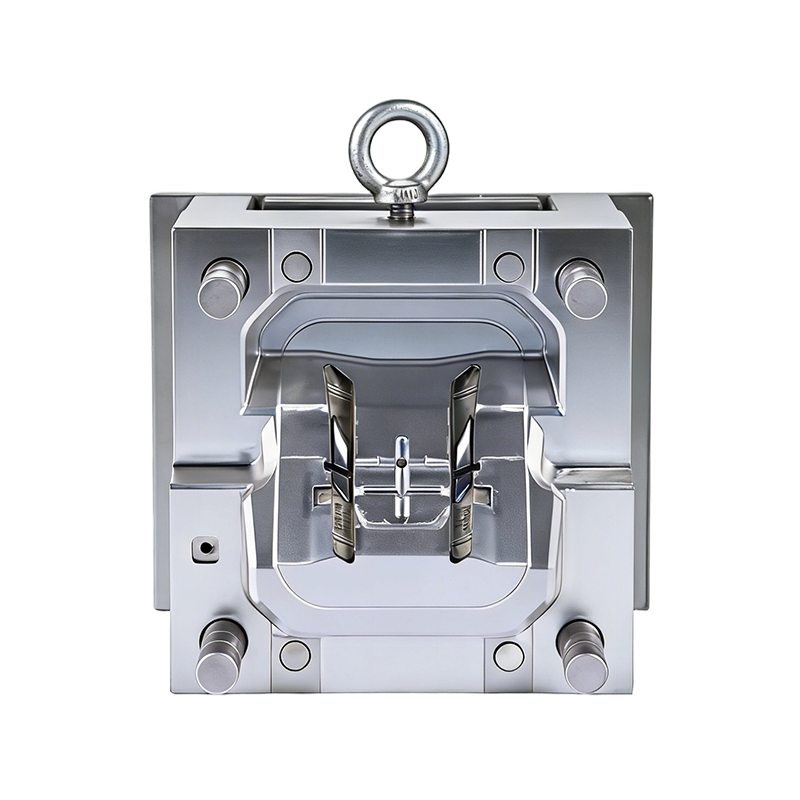
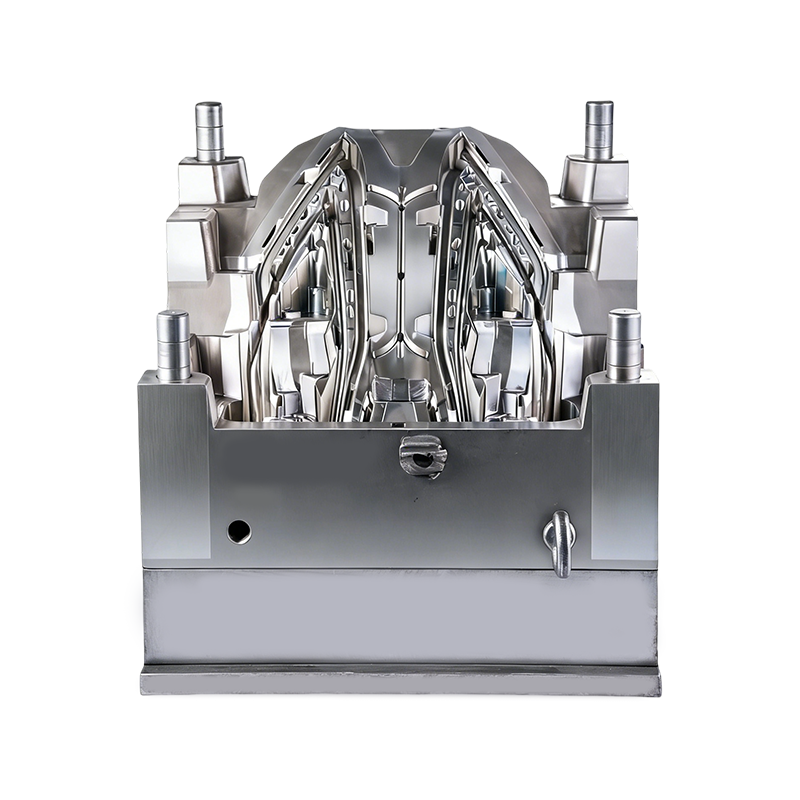
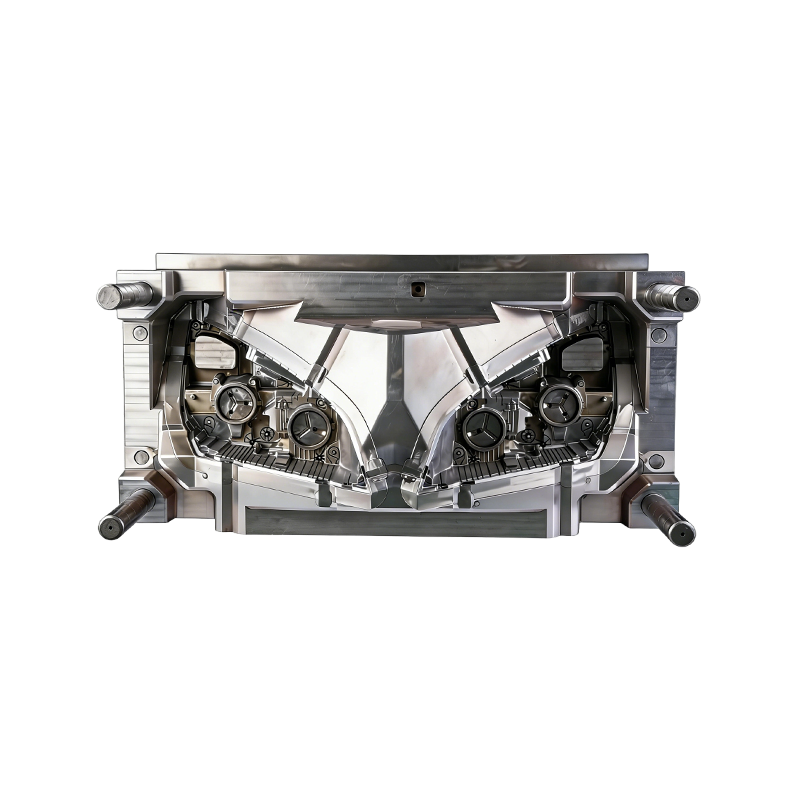
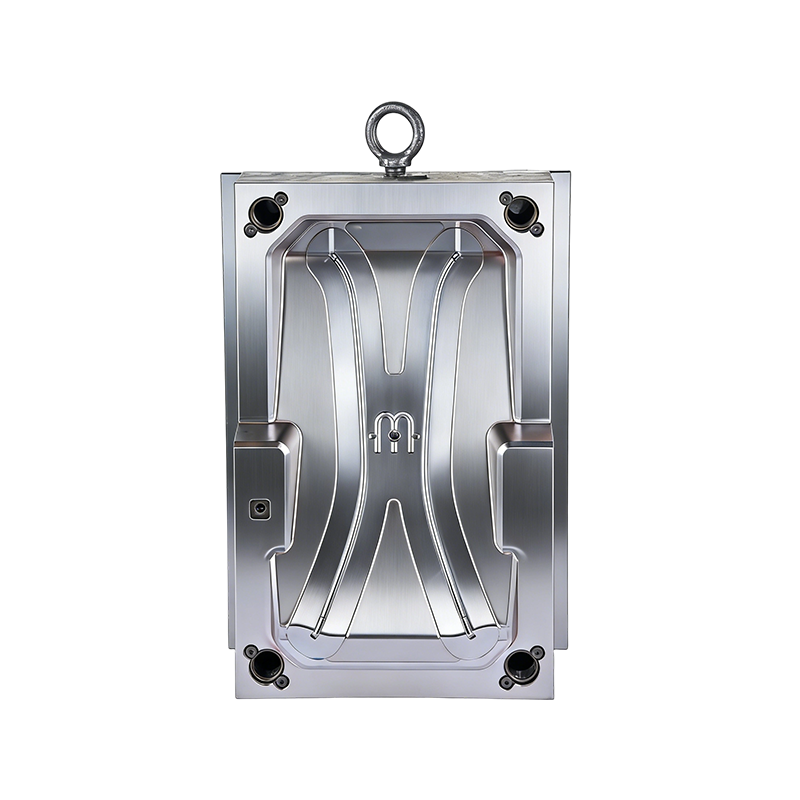
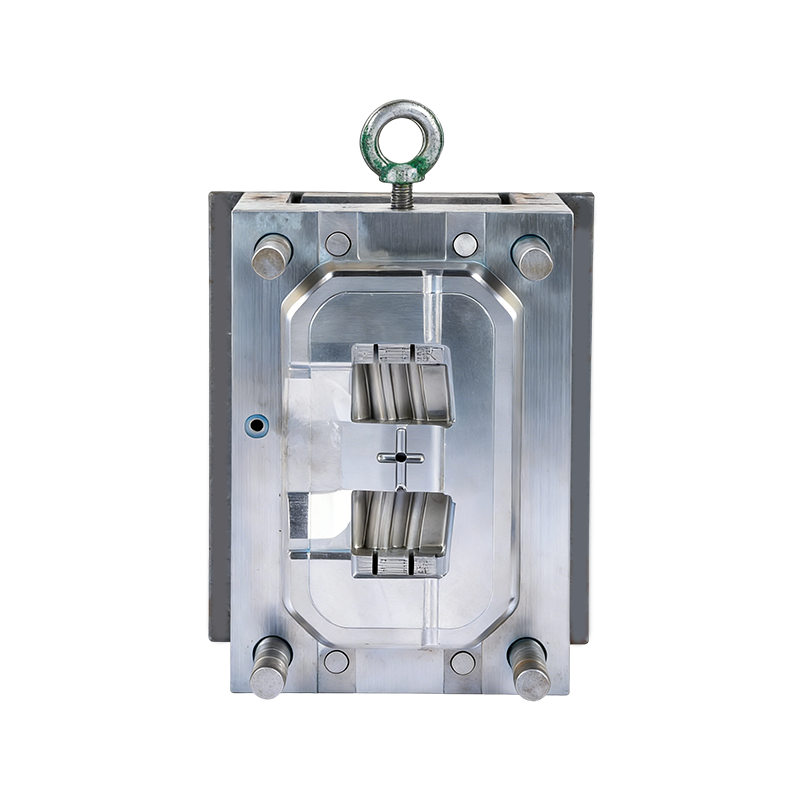
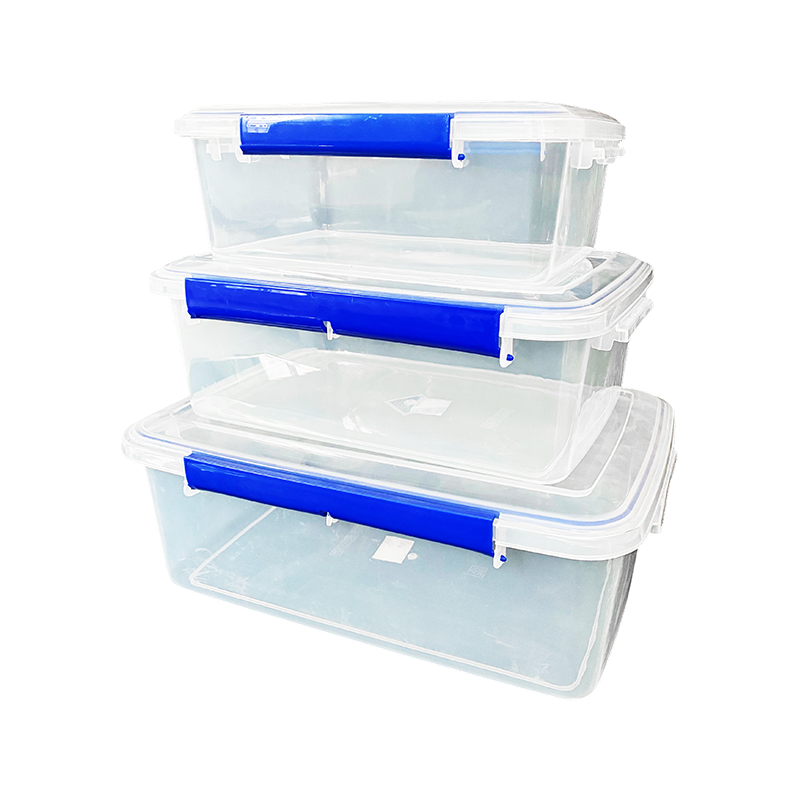
A food storage container mold shapes the plastic bins and lids that keep food fresh in refrigerators and pantries. The mold arrives producing watertight containers with clean corners and smooth sealing surfaces. After months of production, the same mold turns out containers that leak from the corners. The walls still look straight. The lid still fits. But water drips from the corner seams during the leak test. The food storage container mold that cannot maintain its corner geometry produces containers that fail quality inspection while the rest of the container remains perfectly functional. The corner fails before the walls show any wear.
Corner Radius Determines Stress Concentration
The corner where the side wall meets the base experiences the high stress during ejection and use. A food storage container mold with a sharp corner radius creates a stress riser. The plastic stretches thin at the corner during cooling. The thin spot cracks under load. A rounded corner radius distributes stress more evenly and prevents cracking. Manufacturers who design generous corner radii ship containers that survive leak testing. Those who prioritize big internal volume with sharp corners ship containers that drip.
Three factors determine whether the corner holds or leaks:
- Corner radius relative to wall thickness, because thicker walls require larger radii to avoid stress concentration
- Ejection pin placement near corners, because pins placed too close distort the corner during release
- Cooling channel proximity to corners, because hot spots at the corner prevent proper crystallization
A food storage container mold manufacturer that optimises all three factors ships containers that pass leak tests consistently. One that ignores corner design ships containers that fail, and the operator blames the resin for a geometry problem.
Weld Line at the Corner Creates a Leak Path
Plastic flow splits around the core and rejoins at the corner. The rejoining creates a weld line where the material is weaker. A food storage container mold with a weld line at the corner creates a leak path. The weld line may not leak immediately. Under thermal cycling from the refrigerator to the dishwasher, the weld line opens. A food storage container mold manufacturer that positions the gate to place weld lines on flat surfaces rather than corners reduces leak risk. One that gates for ease of filling creates weld lines at the corners, and those corners drip.
Three Signs Tell the Operator the Corner Is Failing
- Water droplets appear on the outside of the container near the corner after filling
- A white stress mark shows at the corner under bright light
- The corner feels thinner than the surrounding wall when pressed with a finger
A food storage container mold operator who watches for these three signs catches corner failure early. One who inspects only the overall container shape discovers the problem during the leak test, and every failed test means a rejected container.
Gate Location Determines Flow Balance at the Base
The base is the last area to fill. If the gate is placed on the side wall, the flow travels down to the base and spreads outward. The flow front meets at the center of the base. The meeting point creates a weld line. If the weld line sits directly under a heavy load—like a full container of soup—it cracks. A food storage container mold with a gate placed at the base center creates symmetrical flow and a weld line that forms at the side wall, where stress is lower. One with a side gate creates a base weld line that leaks under load.
The Corner Fails Before the Walls
The food storage container mold produces containers that look perfect. The walls are straight. The lid fits. The surface is smooth. But the corner leaks. The container fails its primary function while the visible quality remains high. Manufacturers who focus on wall thickness and surface finish while neglecting corner geometry ship containers that pass visual inspection and fail the leak test. Manufacturers who treat the corner as the critical feature ship containers that hold water, hold food, and hold up to daily use. The corner determines whether the container seals. The corner fails first, and the rest of the container waits for the corner to hold.

- VISIT US:
- Zhuling Village, Beicheng Subdistrict, Huangyan District, Taizhou City, Zhejiang Province, China
- CONTACT US:
-
-
[email protected]

-
+86-18057683888

+86-13666493686
-
- GET IN TOUCH
Copyright ©
Zhejiang Taizhou Hongya Mould Co., Ltd.
All Rights Reserved.
 Mold Supplier And Mold Customization Manufacturer
