


 English
  عربى
عربى 


Industry News
Plastic Food Storage Box Mold Produces Lids That Don't Seal
2026-07-24
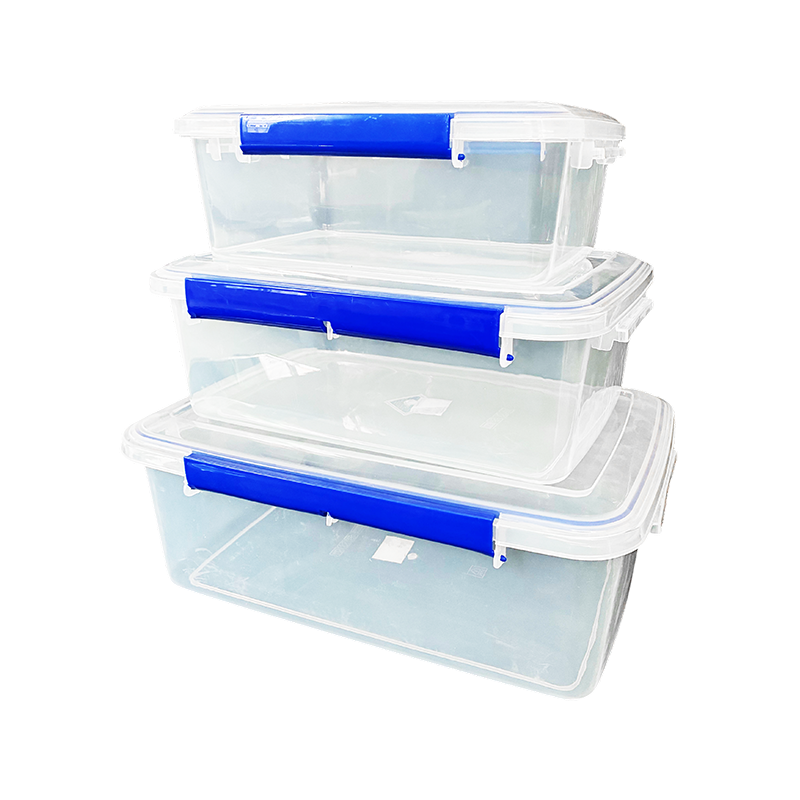
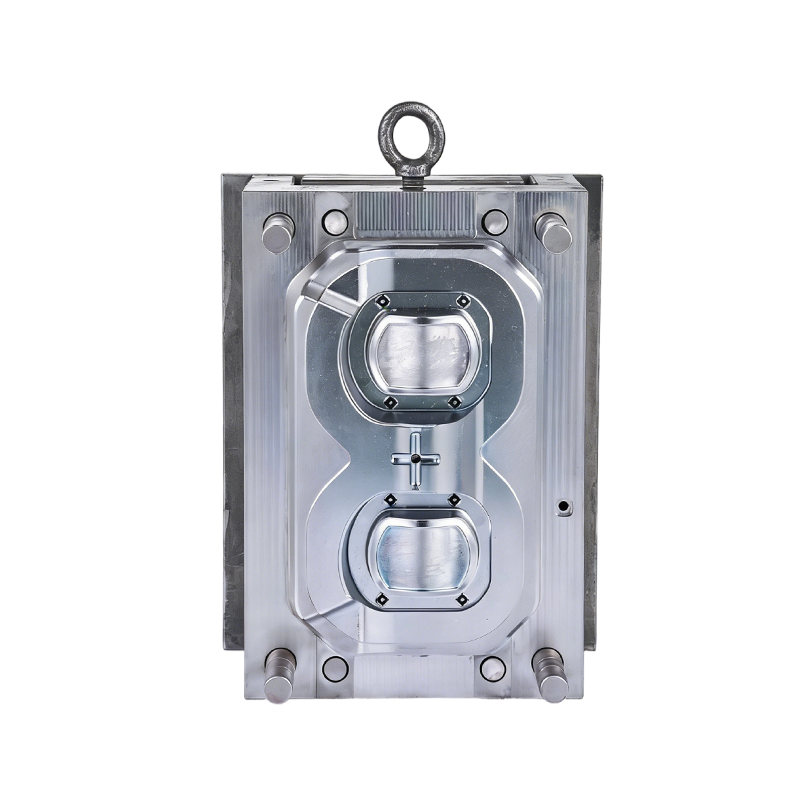
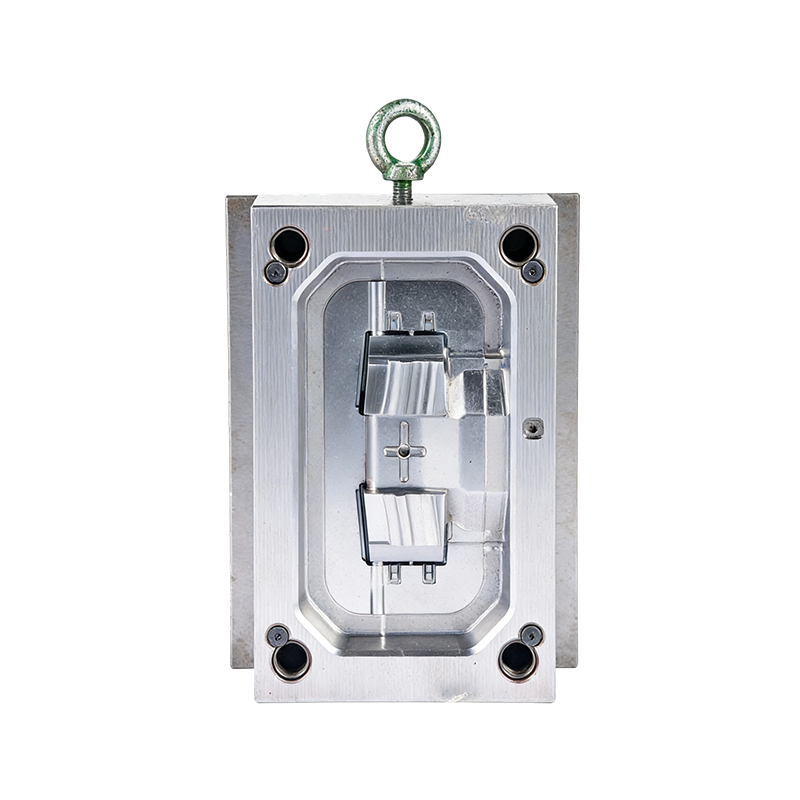
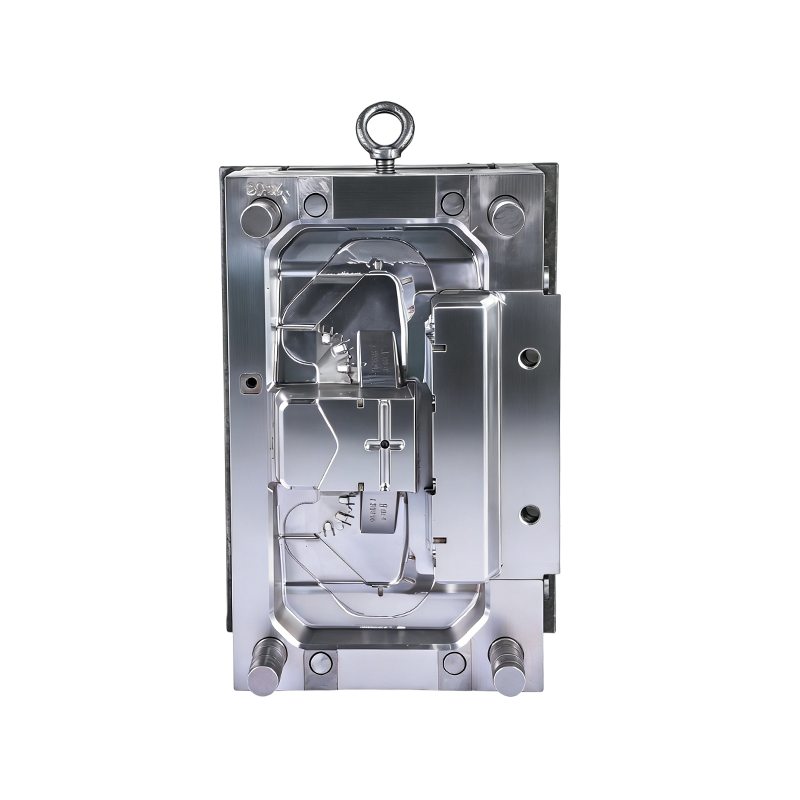
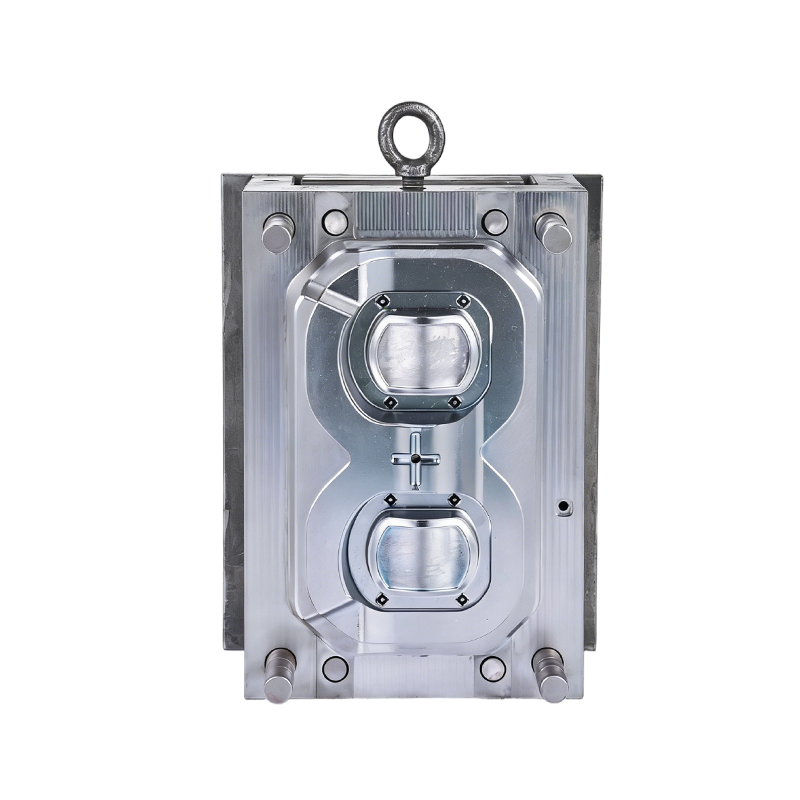
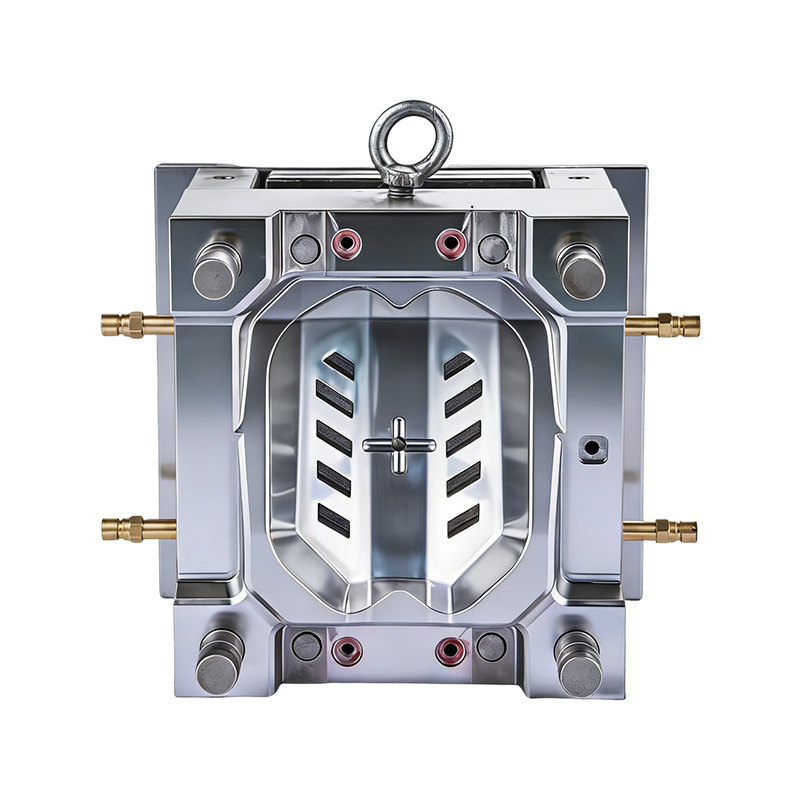
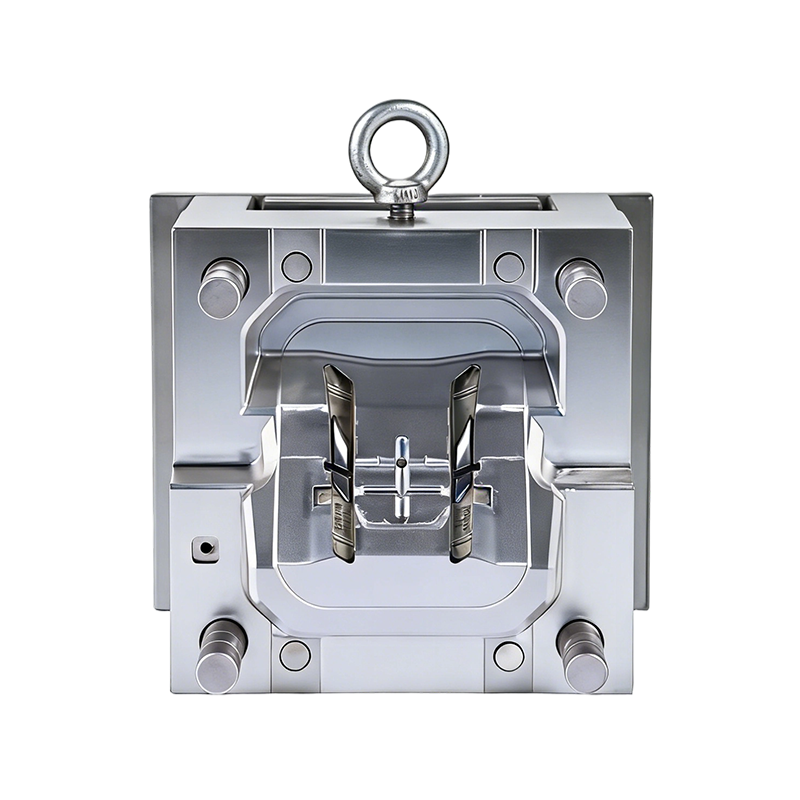
A plastic food storage box mold shapes the containers that keep leftovers fresh and sandwiches intact. The mold arrives producing lids that snap securely onto bases. After months of production, the same mold turns out lids that sit loose or require excessive force to close. The plastic still looks clear. The edges still appear straight. But the lid no longer seals. The plastic food storage box mold that cannot maintain its lid geometry creates containers that fail their primary purpose—keeping food fresh—while the material itself remains perfectly capable. The seal fails before the plastic shows any signs of wear.
Lid Warp Creates Gaps That Let Air In
The lid must stay flat to seal against the base. A lid that bows upward by even half a millimeter creates a gap. Air enters through the gap. Food dries out. The user sees a container that looks fine but no longer keeps food fresh. A plastic food storage box mold that produces bowed lids causes returns and complaints, even though the plastic clarity and wall thickness meet every specification. Cooling rate determines whether the lid stays flat or bows. The lid cools from the outside inward. If one side cools faster, that side shrinks first. The differential shrinkage pulls the lid out of flatness. A plastic food storage box mold with balanced cooling across the lid cavity produces flat lids. One with uneven cooling—a hot spot on one edge—produces lids that curl.
Mold Steel Relaxation Changes the Lid Geometry
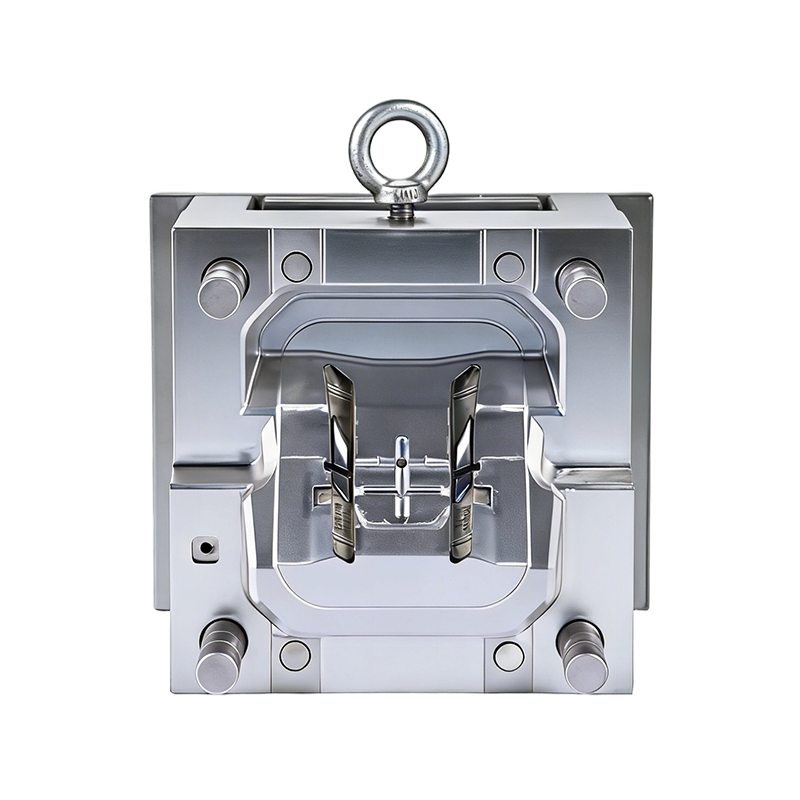
The mold steel experiences repeated heating and cooling. Over thousands of cycles, the steel relaxes. The relaxation is microscopic—tenths of a millimetre—but in a seal application, tenths of a millimetre change the lid fit. A plastic food storage box mold that produced superb seals at cycle 100 may produce loose lids at cycle 10,000 because the steel in one quadrant relaxed more than the opposite quadrant. Manufacturers who stress-relieve the steel before final machining delay this drift. Those who skip the step ship molds that require frequent refurbishment.
Base Rim Out-of-Round Creates Mismatched Fit
The base rim must match the lid geometry. If the base rim distorts, even a perfectly flat lid will not seal. A plastic food storage box mold with uneven cooling on the base cavity produces an oval rim. The oval rim creates gaps at the long axis and tight spots at the short axis. The lid goes on with difficulty and does not seal completely. The operator blames the lid. The problem lives in the base. Rim roundness measured at four quadrants reveals oval distortion. Base flatness checked against a granite plate shows whether the rim seats evenly.
Gate Location Affects How the Lid Fills and Flows
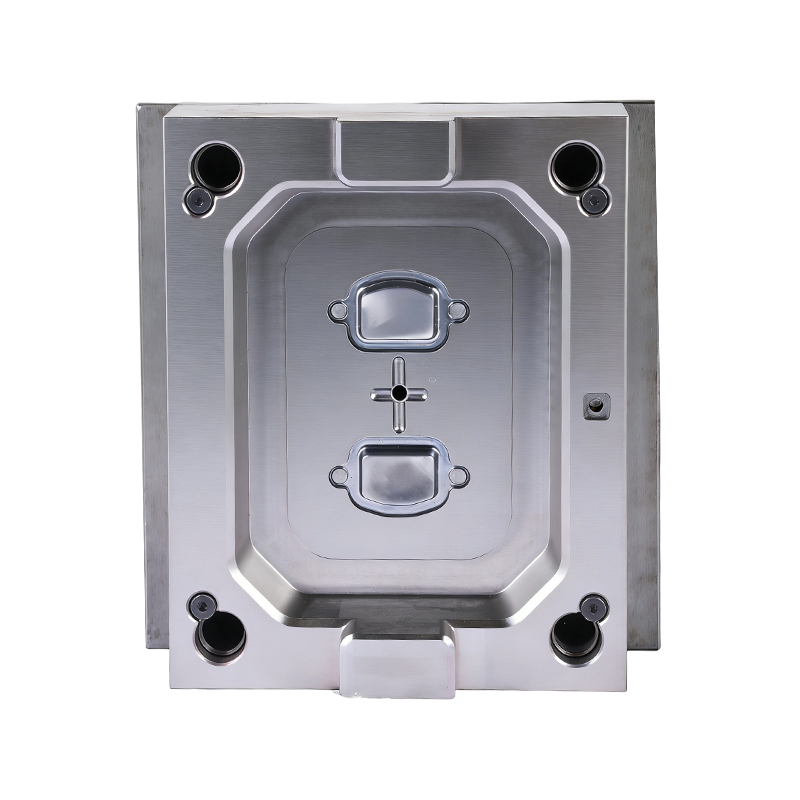
Plastic enters the lid cavity through the gate. The flow front travels from the gate to the far edges. If the gate is placed off-centre, the flow reaches one side first. That side begins cooling while the opposite side still fills. The differential cooling creates residual stress that warps the lid. A plastic food storage box mold with a centred gate produces balanced flow and uniform shrinkage. A mould with an off-centre gate—often chosen to simplify runner design—produces lids that bow toward the gate side. The bow shows up as a gap when the lid sits on the base.
Three Seals Check Before the Container Ships
- Place the lid on the base and press firmly around the entire perimeter
- Insert a feeler gauge between the lid and base at multiple points to detect gaps
- Fill the container with water, seal it, and turn it upside down to check for leaks
A plastic food storage box mold operator who performs these three checks on random samples from each batch catches seal problems before the containers leave the factory. One who skips them discovers the issue when customers return containers that leak and spoil food. The seal determines whether the container does its job. The mold determines the seal. And the mold that cannot hold its geometry produces containers that fail while the plastic still looks perfectly clear.

- VISIT US:
- Zhuling Village, Beicheng Subdistrict, Huangyan District, Taizhou City, Zhejiang Province, China
- CONTACT US:
-
-
[email protected]

-
+86-18057683888

+86-13666493686
-
- GET IN TOUCH
Copyright ©
Zhejiang Taizhou Hongya Mould Co., Ltd.
All Rights Reserved.
 Mold Supplier And Mold Customization Manufacturer
